
Dear friend,
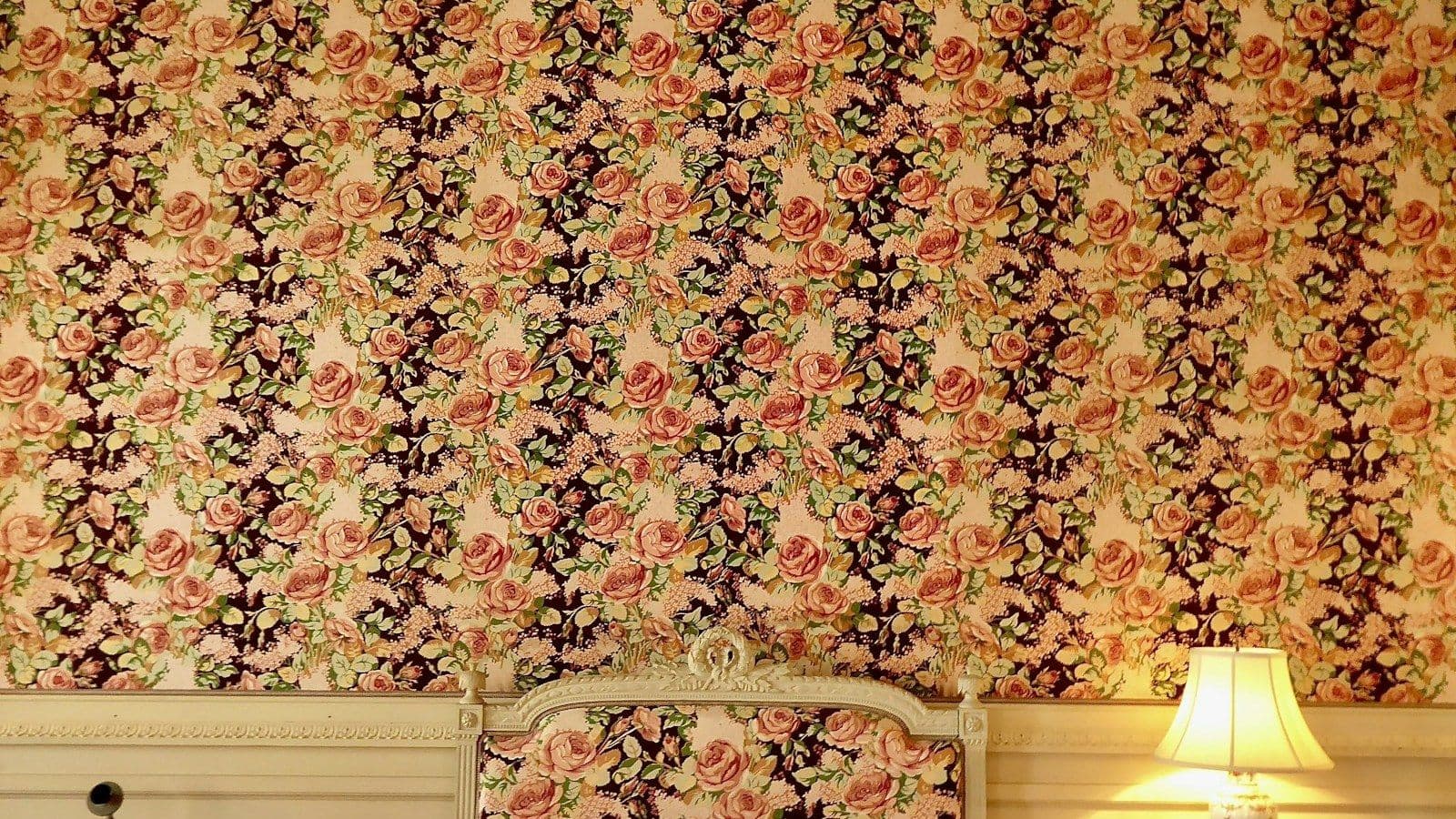
The riddle first, as the tradition demands. Back in the old town, in the years when every parlour in the street was being papered, two paperhangers worked the same north side.
Two paperhangers, the same paper and the same paste,
The same week in the same house, the same twelve shillings asked and paid.
Both hung it well, and both were told at the door that it was lovely.
One asked whether everything was alright. One asked what she would have had different.
Come the spring that household had three more rooms, and a sister with four.
Which man was sent for?
Hold your answer. Story time.
The Story
Two paperhangers in the town I've never named, and their work, in the old chorus, was equally good. The same paper off the same roll, the same paste, twelve shillings for a parlour from either of them.
The first paperhanger did a parlour on the north side in the March. He soaked his lengths on the trestle, brushed them out from the middle and worked a week in a house that smelled of paste, a dust sheet over the good chair. The wall by the door leaned, as walls in that row did, and where the last length met the first the pattern stood a finger's width out of true above the frame. He knew it was there. Nothing can be done about a leaning wall but cut a length narrow and lose a little of the match, and he had an offcut in the cart that would have done it in half an hour.
On the Friday he folded his trestle and asked the householder whether everything was alright. She said it was lovely, thank you. He was paid, and went home having left a satisfied house behind him, so far as he could tell.
She had noticed the join on the Tuesday and said nothing, because saying it meant contradicting a civil man in her own hall who had swept up after himself all week, and standing through whatever came next. Lovely was easier.
The second paperhanger had a parlour four doors along in the April, and the same leaning wall, and made the same failure of the match above the door. On the Friday he folded his trestle too, then stood in the doorway and asked a different thing. If I were starting this room again on Monday morning, what would you have me do otherwise?
There was a pause of the kind that tells you a question has landed. Then she said the pattern went askew over the door, and that she had thought the border would sit lower. He went to the cart, cut a narrow length from his offcut and had the join right in forty minutes. The border could not be moved without fresh paper, and he said so plainly and wrote it in his book against the next room. She had been heard, which was most of what she wanted.
In the spring that household did three more rooms, and when the sister across town asked who had done them the answer was that he was very good and she should have him. The first household recommended their man too, honestly and often, in a sentence that ran: very good, though there is a join over the door if you look. He never once heard it.
Be fair to the first man. He did not skimp and he did not hide. He asked to be told, was answered, and the answer was worthless. His mistake was not indifference. It was the shape of the question.
The Lesson, Since You've Earned It
Everything alright, then, is not a question. It is a request for reassurance, and you will be given it. A customer at her own door with your bill in her hand has two answers available. One costs her a word. The other costs her an argument with a man who has been polite all week. She will choose the word, and you will go away comforted and uninformed.
Consider what you asked of her. To say no she must find words for a thing she has no trade language for, accuse a man to his face on the strength of them, then hold her ground while he explains the wall. You put the whole cost of honesty on her side of the counter and then read her silence as a verdict. Silence is not a verdict. It is a price, paid by somebody who would rather not.
A better question takes that cost off her. It assumes there is something, so the bad news is not hers to introduce. It narrows the ground to one detail, so she remarks on a doorframe rather than judging a week of work. And it points forward, at a Monday that has not happened, which nobody need be in the wrong about. Ask in a which-one shape rather than a yes-or-no shape, in the manner of a smith offering three gates instead of asking for a yes, and you will generally be told.
Then there is the window, and the window is the money. A fault named while your cart is at the kerb costs forty minutes and an offcut of paper. Named in October it cannot be mended for any money. Never named at all, it is dearest of the three: it travels with every recommendation out of that house, in a sentence you are not there to answer. Very good, though. Two words, added by somebody who likes you.
There is a further return the first man never collected. A customer who watched you put a thing right knows what you do when work is not perfect, which no promise can establish and a faultless job never shows. She judges you on the small part she can see, and mending it in front of her is the best advertisement of your week.
Two cautions. First, do not ask unless you mean to act. A question put when the cart is loaded and the offcuts burnt collects grievances you can do nothing with, and teaches the household that the fault is settled and yours. Second, when the answer comes, do not explain. The wall may well lean, and saying so spends the goodwill the question just bought. Mend what can be mended, say plainly what cannot, and thank her for telling you.
Three questions, before your next job ends:
- What is the last sentence you say at the door? Write it down as you say it. If it can be answered with the word lovely, lovely is all you have collected.
- How long is your window? Count the days in which a fault can still be put right cheaply. For most trades it is under a week, and that is when the asking must be done.
- What is the last thing a customer told you that you did not want to hear? If nothing comes to mind, resist the comfortable reading. It is likelier a report on your questions than on your work.
The Answer to the Riddle
Which man was sent for?
The second, for three rooms in the spring and four at the sister's after. Both men made the same error over the same leaning wall. One asked a question that could only be answered kindly, and was sent off with a compliment. The other asked one that could be answered truthfully, and bought the correction for forty minutes and an offcut he had already paid for.
The verse:
The same lengths soaked out and the same paste laid on,
The same pattern askew where the old wall leaned in.
One asked if all was well and was told that it was,
One asked what was wrong, and was sent for in spring.
Until next time. Go and write down the question you will ask at the end of your next job, and put it where you will see it before you pack up.
The Best Time for Marketing was Yesterday...
Ben B. Tilley
P.S. The same arithmetic governs the other end of a job. Any questions, at the close of a quotation, gets you none, for the reason that everything alright gets you lovely. Ask which part of it he is least sure about, and you will hear the doubt that would otherwise have gone home with him and come back as nothing at all.
Also in the archive: The One-Star Reply, What They Did, Not Why and How Are the Hens Laying?