
Dear friend,
The riddle first, as the tradition demands. Back in the old town, at the corn chandler's, where a woman has come in for the thing she has always bought.
Two chandlers weigh the selfsame seed,
Same sack, same scoop, same yearly need.
One serves her what she came to buy,
One asks her what the hens are for.
Both fill the sack. Both take the coin.
Why did one hen-wife change her mind?
Hold your answer. Story time.
The Story
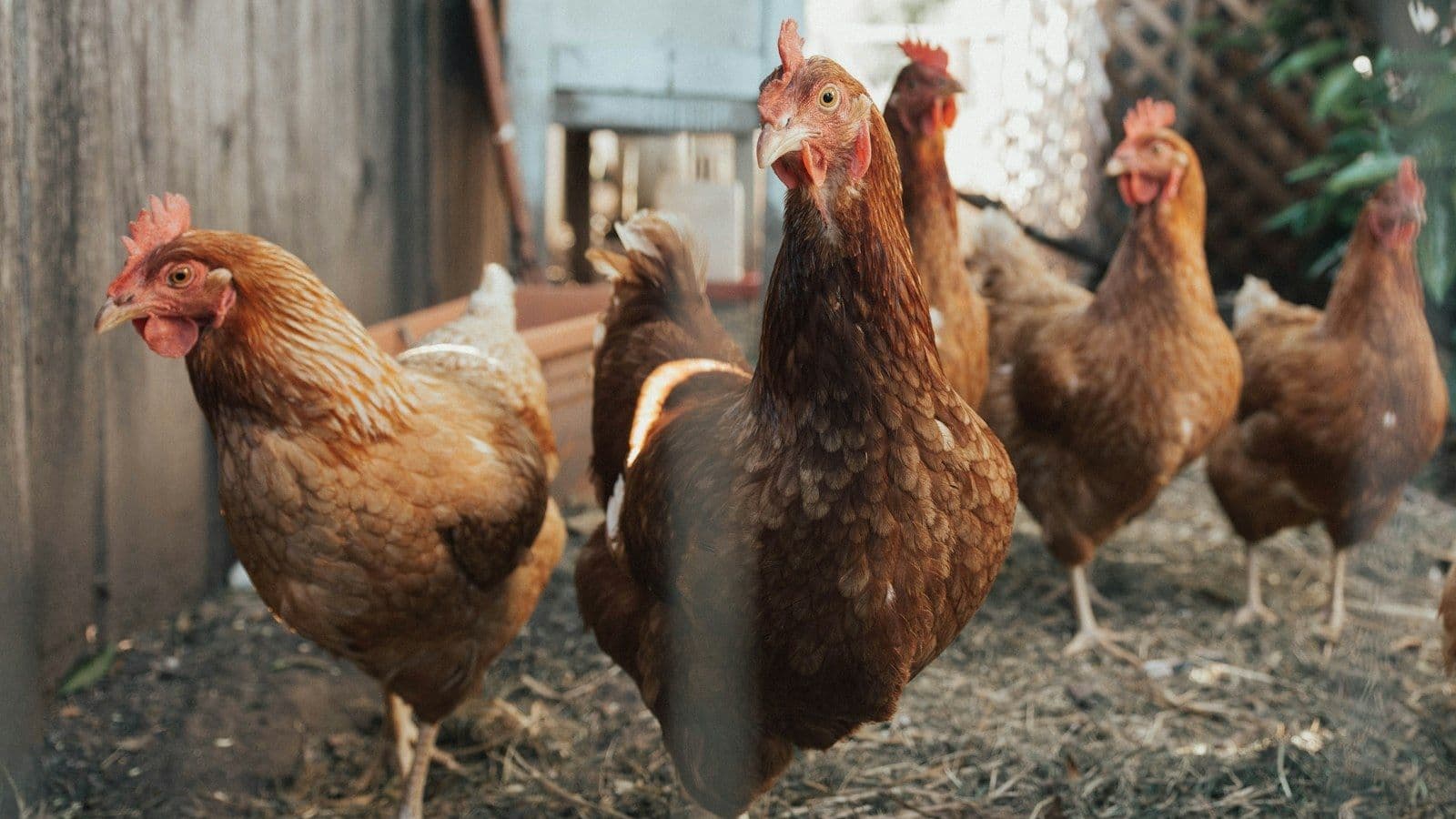
Two corn chandlers in the town I've never named, and their grain, in the old chorus, was equally clean. Into each came a woman who kept a dozen hens and had bought the same mixed corn every month for nine years.
The first weighed it out. She had asked for the mixed corn, she knew her own business, and there is a great deal to be said for serving a customer the thing she came in for without an argument.
So she took it home, as she had every month for nine years, and her hens laid about as they had always laid, which is to say adequately in summer and poorly from November, and she considered this the natural way of hens.
Nobody had ever told her otherwise. The chandler knew perfectly well that mixed corn is a maintenance feed and that a laying flock in winter wants something else entirely, but she had not asked and he was not in the business of telling women their business.
The second chandler weighed the same corn and, while he was weighing it, asked how the hens were laying.
Badly since October, she said, as usual. And he said: they will, on this. This is the feed for keeping a bird alive and well. If you want eggs through the winter you want the layer's mix, which is a penny more the stone, and you want it from September rather than December, because a hen that has stopped cannot be started again until spring.
Then the important part, which is what separates this from a man pushing his dearer sack. He said: you may find it makes no odds, in which case go back to the mixed and no harm done. Try it on half the flock if you like and see for yourself.
She tried it on half. By Christmas she had eggs from six hens and nothing from the other six, and she bought the layer's mix for the next twenty years and told every woman in the parish about it.
And note what the first chandler had done, which was nothing at all. He had committed no offence, told no lie, and served her promptly with what she asked for. He had simply allowed a customer to go on buying the wrong thing from him, politely, monthly, for nine years, and had lost her the moment somebody troubled to mention it.
The Lesson, Since You've Earned It
The customer asks for what they know to ask for, which is not always what they want. They come in with a request formed out of habit, or out of what they bought last time, or out of what a neighbour mentioned, and the request is nearly always for a thing rather than for an outcome. Serve the request and you have done nothing wrong and nothing much of value, and you have left the actual want untouched.
So the useful question is never about the goods. It is about what the goods are for, asked in passing rather than as an interrogation: how are they laying, how is it wearing, what happened last winter. The ironmonger asked what the job was; this is the same question aimed at a customer who thinks she already knows the answer, which is a harder case, because she is not asking for help and would be slightly insulted to be offered it.
Which is why the manner matters more here than anywhere. You are correcting somebody about their own affairs, and there are only two ways it can be received. Told, and they will resent it even when they take the advice, as the joiner found. Offered as information, with a way to test it and no obligation, and they will take it as a kindness. Try it on half the flock is the entire difference: it hands the judgement back to her and costs you nothing, since you are right and the hens will settle the matter.
And note the arithmetic, which is better than it looks. The dearer sack is worth a penny a stone. The customer who discovers you know what you are talking about is worth twenty years and a parish. The first chandler protected a monthly sale and lost the trade; the second risked a monthly sale by mentioning something and gained both.
Two cautions. Only do this when you are right, since a chandler who talks people into the dearer sack out of habit is found out within a season and never trusted again. And do not do it every visit, because a customer who cannot buy a sack of corn without receiving a lecture will start buying it elsewhere out of sheer weariness.
Three questions, and answer the first about real customers:
- Who is buying the wrong thing from you? Go through your regulars and find the ones whose habitual purchase does not suit what they are actually doing. Most trades can name three before finishing their tea, and have said nothing to any of them.
- What is your question in passing? How are they laying. Write your trade's version, and make it about the outcome rather than the product, and ask it while you are weighing something rather than across a counter.
- What is your half the flock? The small, cheap, reversible test that lets the customer prove it to herself. If you cannot offer one, you are asking to be believed, which is a great deal more than asking to be tried.
The Answer to the Riddle
Why did one hen-wife change her mind?
Because somebody asked how the hens were laying. She had walked into both shops wanting eggs and asking for corn, and one chandler heard the corn and the other heard the eggs. He was not cleverer, and he did not sell her anything she did not need; he simply noticed that a woman who had bought the same sack for nine years might never have been told there was another, and that telling her would cost him a penny of goodwill and gain him a parish.
The verse:
She asks for corn, she wants for eggs,
And nine years pass, and no one says.
Ask how they lay, then name the mix,
And let her try it on the half.
Until next time. Go and find the customer who has been buying the wrong thing from you for years, and ask how it has been going.
The Best Time for Marketing was Yesterday...
Ben B. Tilley
P.S. This is also the cheapest way to raise what a customer spends with you, and the only one that leaves them grateful for it. Every other method involves persuading somebody to buy more than they came for. This one involves telling them the truth about what they came for, and being paid a penny a stone for the trouble.
Also in the archive: The Ironmonger's Second Question, How Many Pints Were Drawn and Let Them Try It.