
Dear friend,
The riddle first, as the tradition demands. Back in the old town, in the years when the parlours were filling up with furniture, two upholsterers kept shops a quarter of a mile apart.
Two upholsterers, the same horsehair and the same webbing,
The same tacks held in the lip, the same price for a set of six chairs.
Both did the work well and both were thanked at the door.
One went home. One left a single sheet of paper on the seat of the last chair.
Come the autumn that household wanted curtains, a blind and two long cushions.
Which man was sent for?
Hold your answer. Story time.
The Story
Two upholsterers in the town I've never named, and their work, in the old chorus, was equally good. The same horsehair, the same webbing off the same roll, the same charge for the same hour, and both able to strain a seat so that it sat in ten years as it had on the Friday.
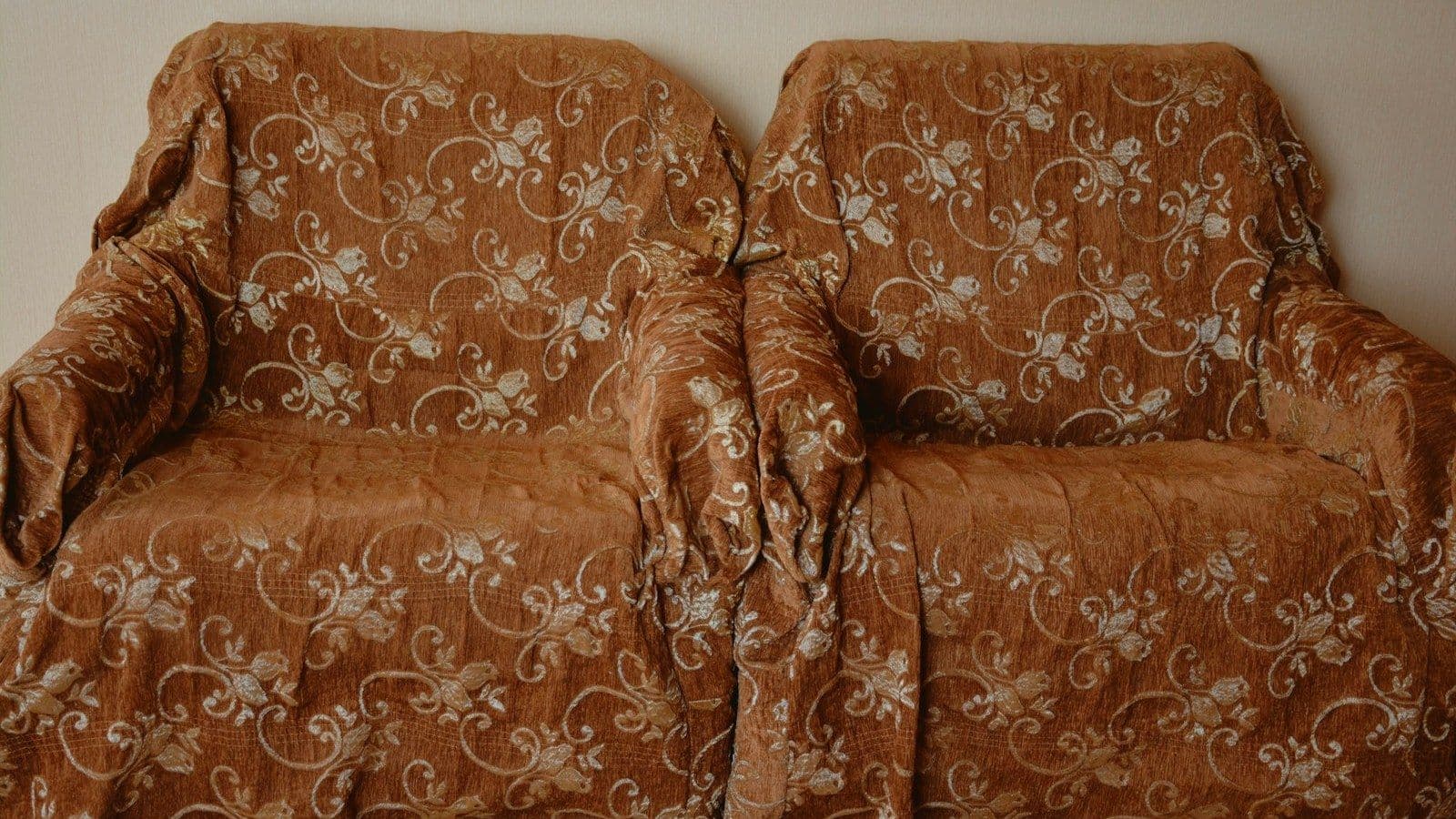
The first upholsterer took in six dining chairs from a house on the east side that September. He stripped them with the old tacks coming out into a tin, drew the webbing tight, packed the hair and worked the cover down so the join could not be found. He wheeled them back and set them round the table, and was thanked properly, the mistress of the house saying they were better than new. He hoped she would mention him, and went home.
The second upholsterer had a set of six from the same side of town a fortnight later, and did the same work to the same standard. Then he did a thing that had cost him twenty minutes one wet evening. He had a plain sheet printed, headed with what had been done in the house: six chairs, horsehair, new webbing, the date. Under it was a short list of the other work out of his shop. Curtains and pelmets to measure. Roller blinds. Loose covers for the summer. Mattresses turned and re-ticked. Chair seats re-caned. No persuasion, only the thing and what it cost.
He set it on the seat of the last chair he carried in, and said one sentence while he was thanked. That is a note of what I have done, and under it what else comes out of my shop.
The autumn came on and the east side began to think about the cold. The first household wanted curtains for three windows, a blind for the landing and two cushions for the window seat. She sent to a draper in the next street, because curtains are drapery, and it was done. She thought well of her upholsterer throughout, and it did not occur to her to send for him. He was the man who had done the chairs.
The second household wanted much the same things, and the sheet was in the hall table drawer. She sent the boy round. He measured the windows, made the curtains and the blind and the cushions, and came back in the spring for the loose covers. In eleven years that household bought from him six times, and five of the six were work nobody had asked him for on the first day.
Be fair to the first man. He was neither idle nor proud, and the mentions he asked for brought him more chairs. He did not lose the curtain work by being outsold. Nobody weighed him against the draper, because nobody put him on the scale at all. His mistake was to think that a customer who is pleased with you knows what you do.
The Lesson, Since You've Earned It
Your customer took one picture of you on the day you met, and nobody has touched it since. In it you are doing the one thing you were first hired for. That picture is the whole of what the household knows about your trade. It will be consulted for years, it will be wrong for years, and you will never be told.
This is not forgetfulness and it is not disloyalty. It is economy. No household can carry an account of every trade in the town, so each of us is filed under one word: the chair man, the tax woman, the people who did the drive. The filing is done once, on first acquaintance, and is never revised unless somebody revises it. A customer with a want in his hand goes to his own filing first, and if your word is not on the folder he is not rejecting you. He is not thinking of you at all.
Consider what it takes to sell to a stranger. He must be found, told that you exist, satisfied that you are competent and honest, and got over the first payment. A customer whose chairs you have already done has cleared every one of those. What stands between him and his next order is not doubt but a fact he has never been told, and correcting a fact is the cheapest sale in your book.
So count something other than customers. Count how much of each one's trade in your own line you hold. A man may have forty customers and half the work each puts out, and will call that a shortage of customers. What he has is a room of people who trust him and buy from somebody else in front of him. That is the cheapest list you already own, standing in the room rather than gone quiet in a file. If the honest answer is that there is nothing else to sell, that is the sale you lose after you have already won.
Two cautions. First, it must be a plain list and not a puff. What you did here, what else comes out of the shop, what it costs. The moment it takes on adjectives it becomes touting, and touting at the point of thanks costs you the thanks. Put nothing on it you would not be glad to be sent for, since the line added to look substantial is the line somebody picks. Second, once is not enough and every week is far too much. Tell them at the end of a job, when their opinion of you is highest, and tell the whole list once a year besides.
Three questions, before the next job leaves your hands:
- What one word are you filed under? Ask three customers to say what you do, and write down their words. That is your range as far as the market is concerned, whatever the sign says.
- Which squares are empty? Your customers down the side of a sheet, everything you sell across the top, a mark against what each has bought. The blanks are not lost sales, they are unsent letters.
- What do you hand over at the moment of most trust? For nearly every trade it is the work, a bill and nothing else, at the hour he would say yes to most things put before him.
The Answer to the Riddle
Which man was sent for?
The second, and for eleven years afterwards. Both men could make curtains, and had been making them for years. Only one was in the house on the day that household decided what he was, and had spent twenty minutes saying so on a sheet that cost less than the tacks.
The verse:
The same hair in the seat and the same webbing drawn tight,
The same six chairs dressed and stood back in the hall.
One was thanked at the door and was known for the chairs,
One left a plain sheet, and was sent for come autumn.
Until next time. Go and write the one page that names everything you make, and leave it with the next job you finish.
The Best Time for Marketing was Yesterday...
Ben B. Tilley
P.S. The blindness runs both ways. You do not know the whole of what your customer buys either, and one question at the end of a job will tell you: what else do you have done in this line, and who does it for you? Some answers will be work you could have done that same afternoon. The rest is a list of the trades your customers already trust, which is worth having.
Also in the archive: How Are the Hens Laying?, The Farrier's Fortieth Shoe and The Thirty Who Pay the Rent.