
Dear friend,
The riddle first, as the tradition demands. Back in the old town a man with a good machine to sell believed his work was to describe it well. He described it very well indeed, to people being asked to decide about a thing they had never had.
Two makers of chaff cutters in one town, the same cast frame and the same two knives.
Both asked four pounds ten, and both told the plain truth about what the machine would save.
One set his up in the market square and turned the handle for every farmer who stopped.
The other carted his into a farmer's barn and left it standing there until the market after next.
Same machine, same four pounds ten, and only one of them was paid.
What had the second man done that the first had not?
Hold your answer. Story time.
The Story
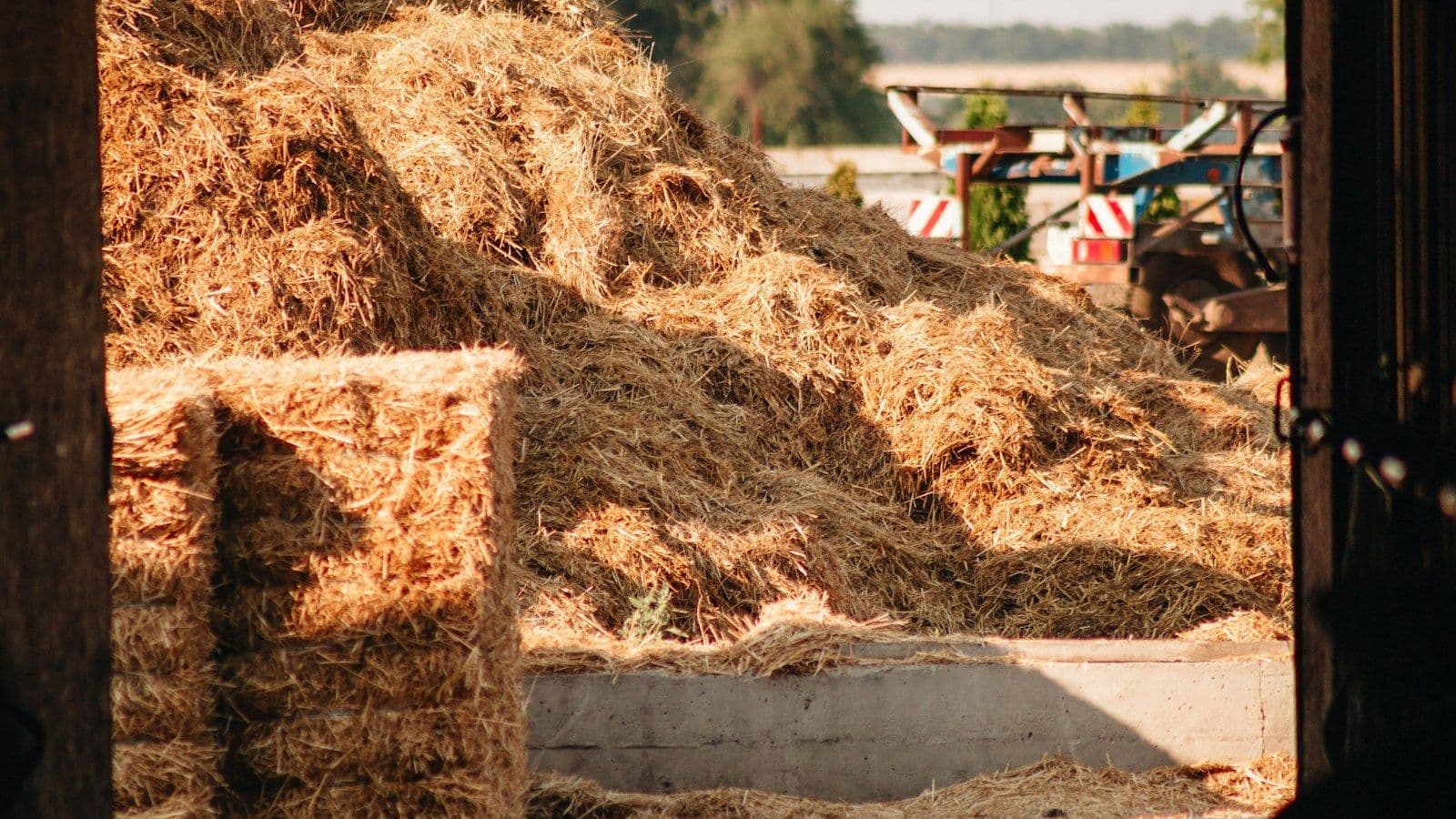
Two makers of chaff cutters in the town I have never named, both competent, both selling the same pattern of machine. A cast iron frame on four legs, a hopper, two knives set in a wheel, and a crank a boy can turn if he is told to lean on it. Hay and straw go in and come out short and sweet, the horses waste less of it, and any man who has cut chaff by hand with a hook knife sees what the thing is for within a minute.
The first took a stand at the market on Saturdays, and he was good at it. The machine spotless, the knives bright, a sack of cut chaff open for farmers to put their hands in, and he could turn the handle and talk without losing his breath. His figures were honest. So much waste saved in a winter, so many hours of a man's time, the price of a bag of corn he would no longer need. He sold a fair number to farmers who had come to market already knowing they wanted one. The rest said they would think on it, and some of them thought on it for three years.
The second did a thing his neighbours thought foolish. When a farmer stood looking and went quiet, he asked where the farm was, and said he would bring one out on the Tuesday and leave it until the market after next, with nothing to pay either way. Then he did it. He set the machine level on the floor of the chaff house, oiled it, cut half a sack himself so the thing had been started, showed the horseman how to feed it and keep his sleeve out of the hopper, and went home.
Consider that fortnight, because none of it could happen in a market square. The horseman used it on the Wednesday because it was there and the hook knife was dull, and cut a week of chaff in forty minutes. By Friday the horses were cleaning up their mangers and the heap of long stalks behind the stable had stopped growing. On the second Monday the boy was doing the chaff before breakfast without being sent to it, and the machine had been moved from inside the door, where it was in the way, to the end wall, and somebody had put up a nail beside it for the oil can.
That nail is the whole of this letter. Nobody puts up a nail for a machine he means to send back. When the maker came on the market day he said none of the things the first man said so well. He asked whether he should load it up. The farmer said he had better leave it, and paid four pounds ten, and complained about the price while he counted it out, which men do when they have already decided.
He left nine machines in barns that winter. Seven were kept and paid for. One came back with a knife chipped by a stone in the straw, which he ground out in an hour, and one because the farm was being given up at Michaelmas. The carting cost him two days and a horse, and those were the cheapest two days of his year.
The Lesson, Since You've Earned It
A customer who has had the thing in his own barn for a fortnight is no longer deciding whether to buy it, he is deciding whether to give it back, and those are two different questions with two different answers. The first is a guess about the future, weighed against money he can presently see in his hand. The second is a plain account of what has already happened, and men answer it far more readily, and in your favour, because a thing they have used has stopped being a promise and become part of how the work gets done.
A stubborn asymmetry in people explains it. What a man will pay for a thing he has never owned is one figure. What he would want before parting with the same thing, now that it is his, is a larger one, and not by a little. Test it on any tool on your own bench that you would not sell for twice what you gave, and would not have paid half again for on the morning you bought it. Nothing about the tool changed. Only the direction of the question changed, from getting to losing, and losing weighs heavier in all of us.
The fortnight does a second thing, worth more. It removes the uncertainty you were asking him to pay for. At your stall, four pounds ten buys him a machine and a question, the question being whether it suits his barn, his straw, his horseman and his Monday. He cannot weigh that, so he does what men do with what they cannot weigh, which is nothing. I have argued elsewhere that what stands between you and the order is often risk rather than price, and the remedy is to take away the risk rather than the money. Possession is the most complete form of that remedy there is.
It also makes an ally of the force that usually works against you. I have written before that a customer measures your new thing against the loss of his old one, which is how a hook knife worth nothing defeats a machine worth four pounds ten. A fortnight puts your work on the other side of that scale. Hand cutting becomes the old arrangement, the machine becomes how the chaff gets done, and sending it back is now the loss.
Two cautions. This belongs only to a tradesman whose work is genuinely good, and the giving back must be easy, free and offered plainly in writing, with a day named for the fetching. If your hope is that he will be too embarrassed to return it, you have not made a sale, you have collected a grudge, and grudges of that kind are repeated in market squares for years. And a fortnight is not a discount. Name your full price at the start, leave it on the paper, and do not move it when you come back for your answer.
Where you cannot hand over the whole of it, hand over the nearest honest part. The joiner who cannot leave a fitted kitchen can leave one drawer front, made and hung, in the gap where it will live. The painter can do the wall by the window. The man who sells by the month can let the first month run before the money. Every trade has some piece of itself that can be put into a customer's possession before the decision.
Three questions, for the week in front of you:
- What could I leave with a customer for a fortnight? The whole thing, a working part of it, or the first stage of the job done and visible. Name the actual object, not the idea of one.
- What does the worst fortnight cost me? Count the carting, the wear, and the one in four that comes back marked. Set that against the orders you lost last year to men who were thinking on it.
- Which of my hesitating enquiries would say yes to a fortnight? Not yes to the price. Yes to having it in the house with nothing to pay. Go back through the ones who went quiet.
The Answer to the Riddle
What had the second man done that the first had not?
He had changed the question. The first spent his Saturdays answering, very ably, a question that can hardly be answered well, which is whether a stranger should part with four pounds ten for a thing he has never had. The second never argued it. He arranged matters so the farmer answered an easier one, whether to give back a machine his own horseman had been using. One asked for a decision about the future, the other about the past, and the past is where people are comfortable.
The verse:
Praise the roller and the iron frame,
and your word is a thing to be weighed.
Leave it a fortnight where the work is done,
and the fortnight has already paid.
Until next time. Go and name one thing you could leave in a customer's hands for a fortnight, and write down the day you would come back for it.
The Best Time for Trying was Yesterday...
Ben B. Tilley
P.S. The two that come back are worth more than they cost. A machine returned after a fortnight was tried by somebody with no reason left to be polite, and it failed in a particular way, in a particular barn, for a reason he will give you at the gate. At a stall you hear what men say to your face, which is encouragement. In the fortnight you hear what your work does when you are not standing beside it, which is the truth.
Also in the archive: What the Old One Was Worth, Nothing for a Dry Hole and A Sixpence to Sit Down.