
Dear friend,
The riddle first, as the tradition demands. Back in the old town there were two range setters, and the difference lay in neither the iron nor the price, but in what each proposed to do with the old range in the hearth.
Two range setters in the town I have never named, the same foundry, the same close iron, the same ovens that drew well and boiled a copper by nine.
Both were called to one farm kitchen on the same wet Tuesday, to a twenty year old range with a cracked cheek and a slow left oven.
One quoted nine pounds for a new range, the old one broken up and carted off.
One quoted eight pounds fifteen, less one pound five for the old range taken in whole, which came to seven pounds ten.
The second was the dearer man, once the carting was reckoned, and had the order inside a week.
Same iron, same hearth, same farm. What had the second man sold that the first had not?
Hold your answer. Story time.
The Story
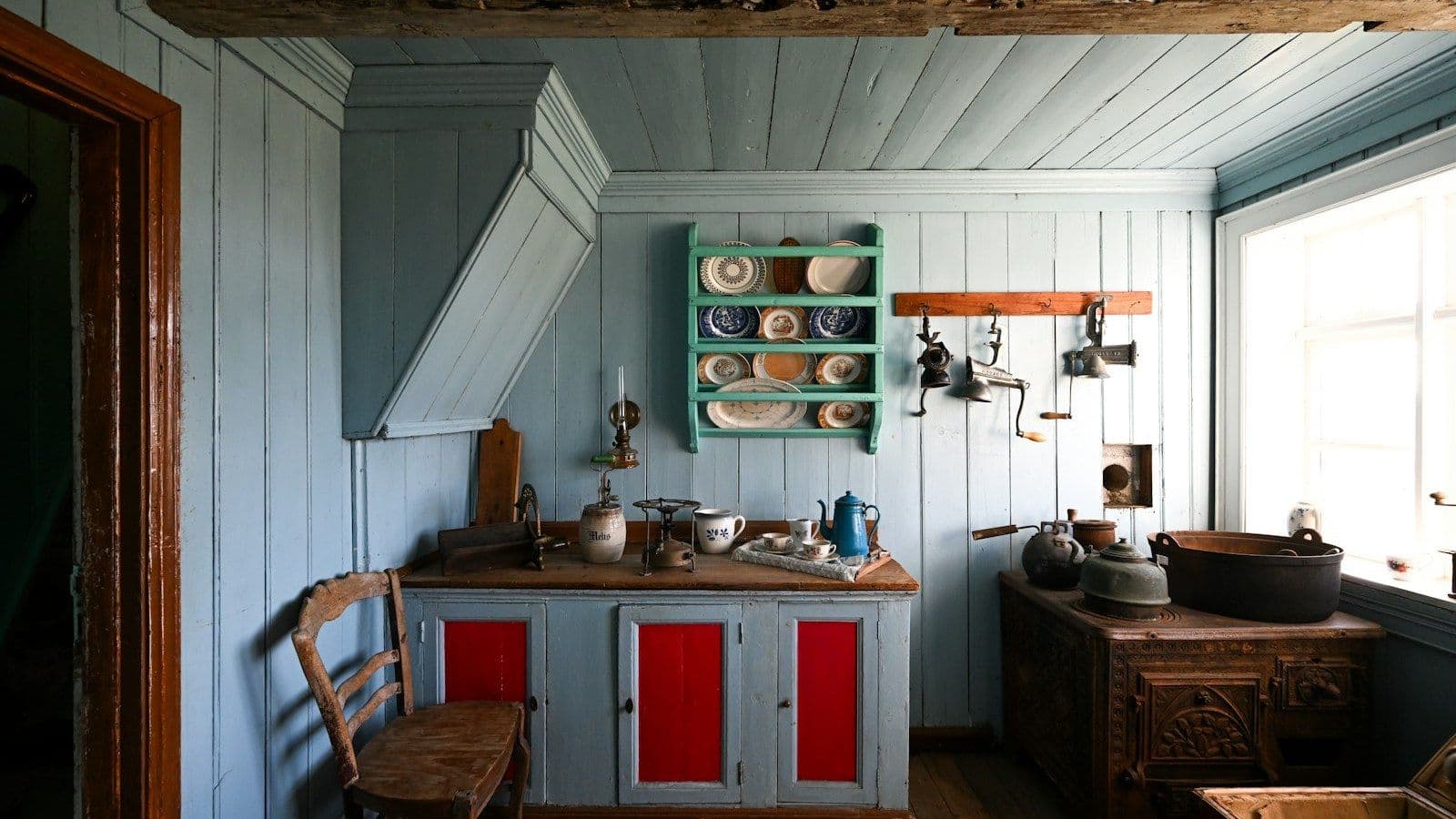
The kitchen was a good one and the range in it was finished. Twenty years of coal had eaten the left cheek through, so that the oven on that side ran cool and everything in it had to be turned twice. The householder knew it as you know a lame step on your own stair. She knew the damper wanted a quarter turn more in an east wind, and that bread wanted the top shelf.
The first setter came on the Tuesday morning and was entirely honest. He knelt at the hearth, put his knife in the crack, and said what any competent man would say: the cheek was gone, it could not be made good, and she had been cooking around a fault for two years. Then he quoted nine pounds for a better pattern with a deeper oven, and would take the old one away. It was worth nothing but its weight, he said, and said it kindly, because it was true.
She said she would think about it. She thought about it for two years.
The second setter came in the afternoon and found the same crack with the same knife. His iron was no better, and his price, written out, was eight pounds fifteen. Then he did three things the first had not. He wrote on the estimate: allowed for the old range, taken away whole, one pound five. He said a cottage up the valley wanted a small range, and the old one would serve that family four years yet with new bars. And he asked whether she wished to keep her trivet and her long handled slice, which wanted an inch off the shaft to suit the new oven.
She ordered on the Thursday, and paid seven pounds ten for the dearer job. On the setting day she stood in the yard and watched her old range go up the lane, upright on the cart, strapped, bars still in it, going somewhere to be used.
The Lesson, Since You've Earned It
Your customer is not weighing your new thing against his old thing, he is weighing it against the loss of his old thing, and a loss is felt at about twice the weight of the same thing gained. Nearly every estimate ever written ignores this. The arithmetic on your paper has one entry. The arithmetic in his head has two, and the second never appears in your figures.
Consider what the first setter was actually asking. Nine pounds, yes. But also: give up the twenty years in which you learned this iron, the damper and the east wind and the top shelf. Agree, before a stranger, that the thing you chose is done with. And have it broken up in your yard. Each of those is a cost, none is money, so none went on the estimate and all went into the decision. Doing nothing carried no such charge. The old range was cracked and slow, but it was hers and already there, and asked her to part with nothing.
So the work is not to make the gain look larger. It is to take the loss out of the transaction, and there are three ways. You can buy the loss: name a figure for the old thing and take it in, so that parting becomes a payment received rather than a thing destroyed. You can carry it over: keep some real part of the old arrangement alive in the new, the trivet, the slice, the settled way of working. Or you can give it a destination: let the old thing go to somebody who will use it, and say where. A thing sold is not lost, nor a thing passed on. Only a thing broken up is lost.
There is a second mechanism underneath. The old range was a judgment your customer made with her own money, so to call it finished is to mark an examination she sat twenty years ago. The second setter never had to. A thing worth one pound five and fit for a cottage up the valley is not a mistake, it is an article at the end of a useful life. Both quotes carried the same remedy, and only one without a verdict attached, as in The Hot July.
Two cautions. The allowance must be real and tied to the old article, or it is a discount wearing a hat, and a customer who finds your figure moves will move it again. Find the one pound five in what you can sell the thing for, and write on the paper what it is for, as any reduction with a true reason must. And carrying over has a limit. Keep the sound trivet, refuse the burnt bars, and say which is which while you stand there, because a part kept out of sentiment fails in March and you will own the failure.
Three questions, for the week in front of you:
- What must my customer give up in order to say yes? Write it down for the job you most want this month. Not the money. The thing, the habit, the admission.
- What honest figure can I put against it, and where does it go afterwards? If you can sell it on, say so. If you can pass it to somebody, say to whom. If it is worth nothing, take it away whole rather than break it up in the yard.
- What part of his present arrangement can survive into mine? There is almost always one. Find it before the estimate goes out and write it there, because he will not think to ask.
The Answer to the Riddle
Same iron, same hearth, same farm. What had the second man sold that the first had not?
Not a range. Both sold much the same range. The second sold one that cost her nothing to accept. He found the only expensive part of the purchase, the parting, and bought it off her for one pound five and the name of a family up the valley. The first offered the same iron at a lower true price and hung on it a bill she could put no figure to and would not pay for two years.
The verse:
The iron is only iron and the price is only sums,
But a hand must drop the old thing before ever it can take,
And the dropping costs him double what the taking ever gave him,
So put a figure on the old thing, and the new one carries free.
Until next time. Go and take the job you most want this month, write down the one thing your customer must give up to say yes, and put a figure and a destination against it.
The Best Time for Trying was Yesterday...
Ben B. Tilley
P.S. Mark how little money did it. One pound five against nine is no inducement. What the figure did was turn a thing thrown away into a thing sold, a change of kind rather than of amount. Small money removes a loss where large money spent elsewhere only enlarges a gain, and the two are not worth the same to the one deciding.
Also in the archive: The Pail on the Landing, The Yard Boot and Let Them Try It.