
Dear friend,
The riddle first, as the tradition demands. Back in the old town there were two makers of scales, and the difference lay in neither the brass nor the price, but in how each described the people he meant to sell to. One of them could count his.
Two scale makers in the town I have never named, the same brass pans, the same knife edges, the same four pounds laid by for new trade.
One set out to sell to everybody in the district with need of an honest scale, a true description and a large market.
One set out to sell to the ninety-four shopkeepers whose scales the inspector tested and entered in his book.
Both spent the four pounds inside the month, and neither worked a day less hard.
By Lady Day the first had eleven enquiries and the second sixty-three.
Same brass, same beams, same four pounds. What had the second man that the first had not?
Hold your answer. Story time.
The Story
Scale making is a quiet trade. A beam of brass, two pans, and knife edges of steel that must sit true or the thing lies politely for years. Both men charged within a shilling and were equals with a file. Both meant to spend four pounds on finding work, and the first thought about it properly. His market, he decided, was everybody in the district with need of an honest scale, and he was not wrong: shopkeepers, farmers, carriers charging by the hundredweight, any household with a lazy kitchen balance. Six hundred handbills went through doors over three weeks, three insertions in the county paper, and by the middle of April the money was gone. The bills were well written, and went to the doors of a district in which he had no way of knowing which house had a scale behind it. Eleven enquiries by Lady Day, four of them balances wanting a new hook at ninepence. He would have told you, honestly, that the market was quiet.
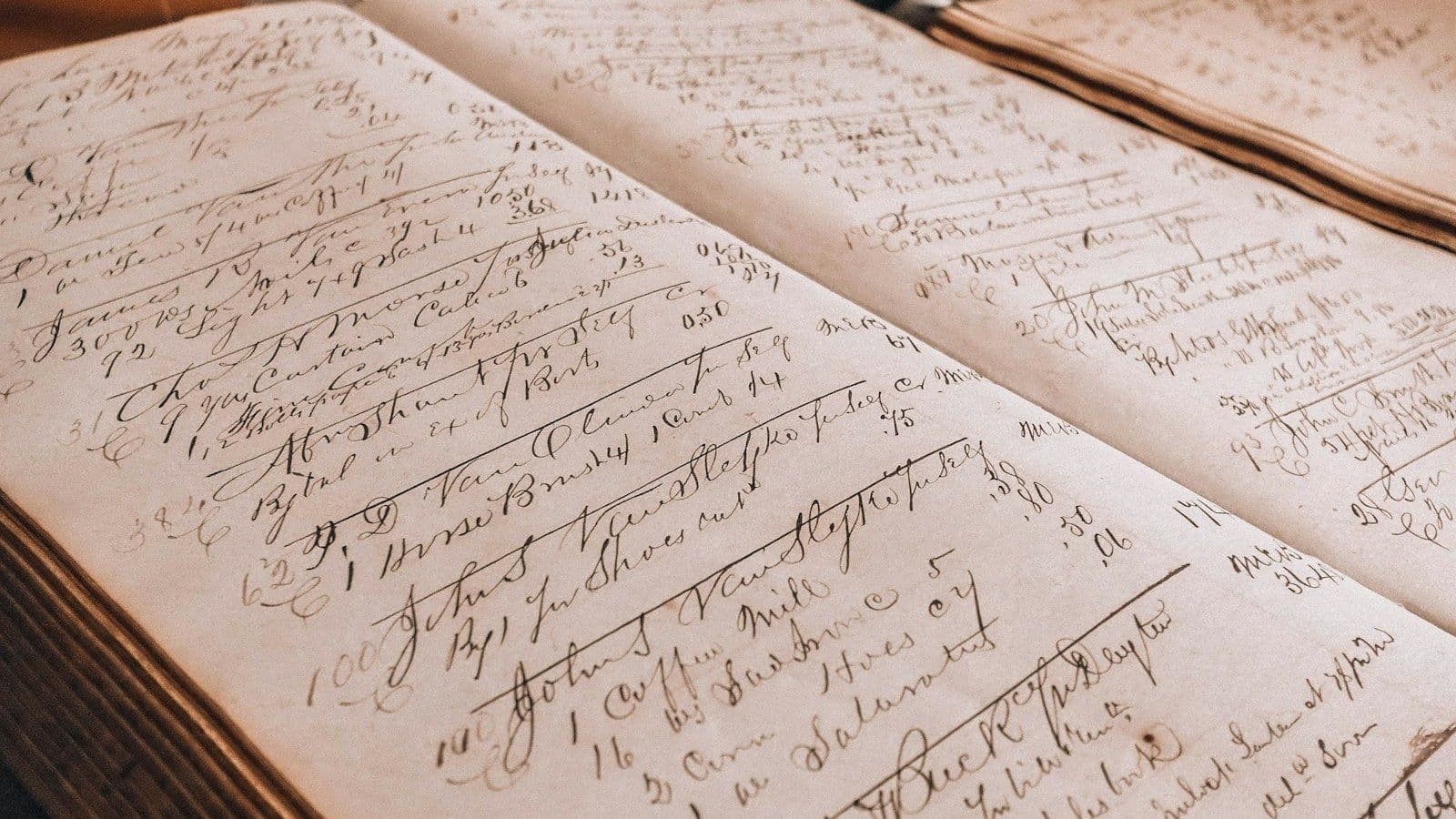
The second man did one dull thing before he spent a penny. He walked to the town hall and asked to see the inspector's book. Every tradesman who sold by weight had his scales tested and stamped, and the inspector kept his round in a ruled book: the name, the trade, the street, the date of the last stamp, the wards in the order he worked them. Two evenings of copying gave ninety-four names. Grocers, bakers and butchers, two coal merchants, eleven market stallholders, and a man who weighed out gunpowder in quarter pounds. He could put his hand on the whole of his market at once, and did, on a kitchen table, in his own handwriting.
The book handed him something he had not gone looking for. The wards came round in a fixed order, so three weeks before a ward's day he wrote to the names in it. A letter rather than a handbill, with one subject. A beam condemned on the day means a counter shut until it is put right, so he would call the week before and test it against his own standards for a shilling, the shilling off any repair. Sixty-three enquiries by Lady Day, forty-one of them paying work.
Here is the part worth more than the sixty-three. He knew what he had not got. Thirty-one names had said nothing, and he could read every one off the page, which is why he spent the slack of July calling on nine.
The Lesson, Since You've Earned It
The test of a market is not whether it is large, nor even whether it wants what you make, but whether somebody could put its names into your hand, and until you can describe yours as a register rather than as a kind of person you will go on paying for a whole town to reach a tenth of it. An adjective describes people. A register lists them. The two feel alike written down of an evening, and behave nothing alike when you spend money against them. Reaching people is bought by the head, whatever the century and whatever the medium, and you pay for everybody your description fails to exclude. Everybody with need of an honest scale excludes nobody, so the first man bought the district and got the district's answer.
Cheapness is the smallest of it. A register gives you a denominator. Sixty-three out of ninety-four is a figure a man can think with. Eleven out of a district is not a figure at all, since nobody can say what the district held, and a trade that cannot work out its own rate cannot tell a good year from a bad notion. It gives you an end: ninety-four names can be written to three times in a year, after which you may honestly ask whether the register itself was wrong. The first man could never ask that, since he could never finish, only do more.
So stop describing your market and start naming it. Ask what your customer must hold, renew, pass or buy from somebody else before he can buy from you. Every one of those has a keeper, and keepers keep lists and dates. A vehicle, a premises, a trade society, a stall, a herd. Your own books are the first register you hold, and the description of your next good customer is already in your own handwriting.
Two cautions. The first is that a register is not an appetite. Ninety-four names of people who do not want what you make is a precise way of being ignored, and no list rescues a man on the wrong ground, which is why where you dig still beats every other advantage. Thirst first, then the names. The second is to count before you commit. Ninety-four shopkeepers at two pounds a head will not keep a man who needs four hundred a year, so the register must be large enough to hold your trade and must take in new names as it loses old. And naming a man is not leave to pester him: the book tells you whom to be known among and what to say, not how often you may appear, and in your own century there are rules about that.
Three questions, for the week in front of you:
- Can I write in one line the people I sell to? Read it as a stranger and ask whether he could produce fifty actual names from it by tomorrow. If not, it is a feeling rather than a market.
- What must my customer hold, renew, pass or belong to before he can buy from me? Write the list, and beside each item whoever keeps the record of it. One of those keepers is nearer to hand than you suppose.
- How many of them are there, and how many have heard from me? The second figure is worth nothing without the first, and finding the first is this week's work.
The Answer to the Riddle
Same brass, same beams, same four pounds. What had the second man that the first had not?
Names. Not a better beam, not a cheaper price, not more diligence. One owned a description of his market, the other a list of it, ninety-four lines long, with the trade and the street against each. Spent against a description, four pounds bought a town to find eleven people. Spent against a list, it bought ninety-four conversations and the names of the thirty-one not yet answered.
The verse:
A market made of adjectives will swallow your four pounds,
And hand you back eleven, and no measure of your gain,
A market made of ninety-four will tell you where you stand,
And name the one and thirty you may call upon again.
Until next time. Go and write in one line the people you sell to, then name the book that would give you their names.
The Best Time for Trying was Yesterday...
Ben B. Tilley
P.S. The test runs backwards, which is useful when a trade will not grow. Ask the owner who he sells to. If the answer is all adjectives and holds no noun anybody keeps a list of, you have found the fault before looking at a line of his advertising.
Also in the archive: Twenty Strangers, The Six Channels and The Blade They Asked For.