
Dear friend,
The riddle first, as the tradition demands. Back in the old town, two tinsmiths kept shops at either end of one long street, and both wanted a better year than the last.
Two tinsmiths in one town, the same tin plate and the same solder.
Both were handy, both were honest, and both wanted more work.
One spent four shillings on six hundred handbills for the whole parish.
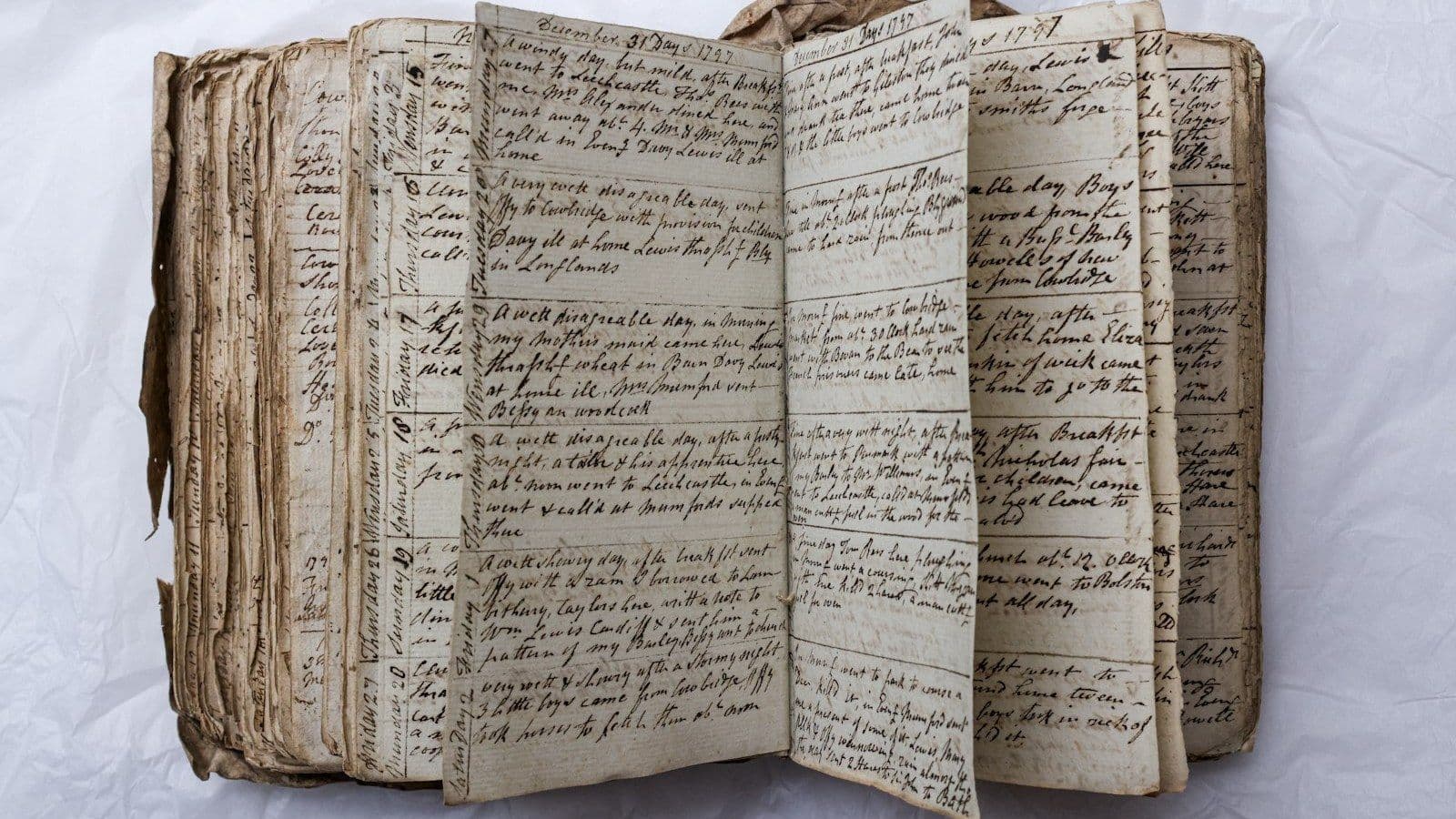
One spent a wet week with last year's day book on the kitchen table.
By the second summer, one was busier and no richer, the other neither.
Which was which, and what had the day book told him?
Hold your answer. Story time.
The Story
Two tinsmiths, in a town I have never named. Both shops smelled of flux and hot resin, and both men could set a seam you would not find with your thumb. They mended pans, made lanterns and dairy cans, lined coolers and cut roof flashing.
The first man went to the printer. Six hundred handbills, four shillings, and a fortnight of evenings walking them into every door from the bridge to the turnpike. Tinman. Pans and kettles mended. All work neatly done. The bills worked, in the sense that bills work. Through the spring his bell went all day: pans at fourpence, a kettle spout at sixpence, each one a walk of half a mile or a wait at the bench. By August he had been busier than ever, and his takings were within two pounds of the year before.
The second man had no four shillings he would spend on guessing. In February, when the roof work stops, he took the day book off its shelf and sat with it the best part of a week. Four hundred and eleven entries, each written on a slip torn from the back of the book: the job, what it paid, how far he had walked for it, whether the money came without asking, and whether the customer came back.
Then he sorted the slips into piles, and the piles told him something he had been inside for eleven years without once seeing. Nine of his customers were dairies, out of two hundred-odd names. Between them they came to a fifth of his entries and more than half of his money. They sent for him unchased, paid inside the month, and wanted the same work in the same weeks each year: cans and coolers re-tinned before the heat came. Seven of the nine had come from one another, farmer telling farmer across a gate. Pan mending, in the next pile, was half his entries and an eighth of his money, every penny of it with a walk and an interruption in it.
So he printed nothing for the parish. He walked to the county directory in the reading room and counted thirty-four dairies within eight miles. He had nine. He wrote to the other twenty-five by hand, a short page each: that he re-tinned cans and coolers in the last fortnight of April, that he would collect and return them, and that the dairy at Ford End had had theirs done by him six years running. The pan mending he kept on a shelf by the door, collected Tuesdays, one morning a week rather than five.
By the second summer he had twenty of the thirty-four, his work came in a known season for known money, and he had not walked half a mile for fourpence in a twelvemonth.
The Lesson, Since You've Earned It
The description of your next good customer is already written down, in your own handwriting, in the book you keep anyway. It costs nothing to read. Most men would still rather spend four shillings telling a parish about themselves than a wet week finding out who has already paid them properly.
Consider what the first man bought. Six hundred handbills are a question put to a parish: is there anybody out there who wants a tinsmith. The parish answered in numbers, and the answer was fourpence a time. He paid four shillings for a second opinion on a question his book had settled. That is the commonest waste in small trade: effort aimed at the market a man imagines instead of the one he has records of. Choosing where to dig beats any amount of digging, as the man on the ridge found out, and the cheapest survey of that ground is the one you have been writing since you started.
It works because the people who pay you well are not scattered at random through a town. They cluster. They share a trade, a season, a size, or one job that hurts them in the same month every year. A dairy must have clean tin or the milk goes off, which is not an opinion about your seams but a fact about dairies. Find the cluster and every shilling you spend afterwards goes to people with the same reason to need you as the ones who already do. The cluster must be one you can post a letter to, mind. Dairies within eight miles has a list behind it. Customers who appreciate good work has no directory.
It works, too, because counting is not remembering. You will recall the man who argued over eight shillings in September and will have mislaid the nine who sent word each March unasked, because quiet reliable money leaves no mark on the mind. The slips on the table have no such opinions.
Two cautions. Money alone will lie to you, so sort by money less the trouble: the travel, the waiting, the second visit, the letters you wrote to be paid. Ten pounds that took two days and four reminders is thinner than four pounds settled on the spot. The graver caution is that your book says where the money has been, not where it is going. A dying trade can sit at the top of your piles two years running and still be the worst place to aim the next five. Read the piles, then ask whether there will be more of these people in five years or fewer.
Three questions, and the first you can answer tonight:
- Which ten names in last year's book paid you most, once the travelling and the chasing are taken out? Not the ten you would have guessed. The ten the book gives.
- What do the best of them share that you could post a letter to? Trade, season, size, or one job they all need. If you cannot say how to find twenty-five more like them, keep looking.
- Which part of your work takes half your hours and an eighth of your money? You need not refuse it, only stop going out to fetch it.
The Answer to the Riddle
Which was which, and what had the day book told him?
The handbills made the first man busier and no richer, because a parish asked at random answers you at fourpence. The day book made the second richer without making him busier, and what it told him was not a secret but an arithmetic. Nine names out of two hundred paid him more than the other hundred and ninety together, and all nine were one kind of customer with one trouble in one month. He had written it himself, in pencil, and never once added it up. He still had to go and fetch the other twenty-five, and knowing how many you need is the half of the work that comes after the counting.
The verse:
You paid four shillings for the news
Your pencil had already penned.
The town can tell you nothing that
Your own day book will not, friend.
Until next time. Go and take last year's book down and write out the ten names that paid you best.
The Best Time for Trying was Yesterday...
Ben B. Tilley
P.S. When you have the ten names, write to each saying what you have noticed: that they have had this done four years running, and that you will come in April unless they say otherwise. Two will not have known you did half of what you do, and one has been buying elsewhere a thing that sits on your bench already.
Also in the archive: Fourteen Curtain Poles, The Ones Who Went Quiet and The Round He Would Not Widen.