
Dear friend,
The riddle first, as the tradition demands. Back in the old town there was a street with a plumber at either end, and householders between who could not have said which was the better man.
Two plumbers in the town I have never named, the same lead and the same solder.
Both kept a shop, charged within a penny of each other, and did sound work.
One dressed his window with a bright new cistern, polished every Saturday.
The other nailed nine lengths of old pipe above his counter, a card against each.
By Michaelmas one sat down at eleven and the other was turning work away.
Same trade, same street, same prices. How?
Hold your answer. Story time.
The Story
Two plumbers, then, in the town I have never named. Each had served his time, bought his lead off the same merchant, and would have quoted the same job within a penny. Put their work side by side behind a wall and no householder could say whose was whose.
The first kept the handsomer shop. In his window stood a new lead-lined cistern, scoured bright, its solder lines as straight as a ruled page, gone over with a cloth each Saturday. His handbill, four hundred under doors that spring, said he did plumbing work of every description, estimates free, terms moderate, established eleven years.
The second came to his idea in a wet March, out of annoyance. A ceiling had come down on a Sunday, and the woman of the house told him she had watched a brown mark spread above her chair since Christmas without knowing it was anything. She was neither idle nor stupid. She had simply never learned that a mark on a ceiling is a thing a plumber can be sent for, and took it for the house growing older.
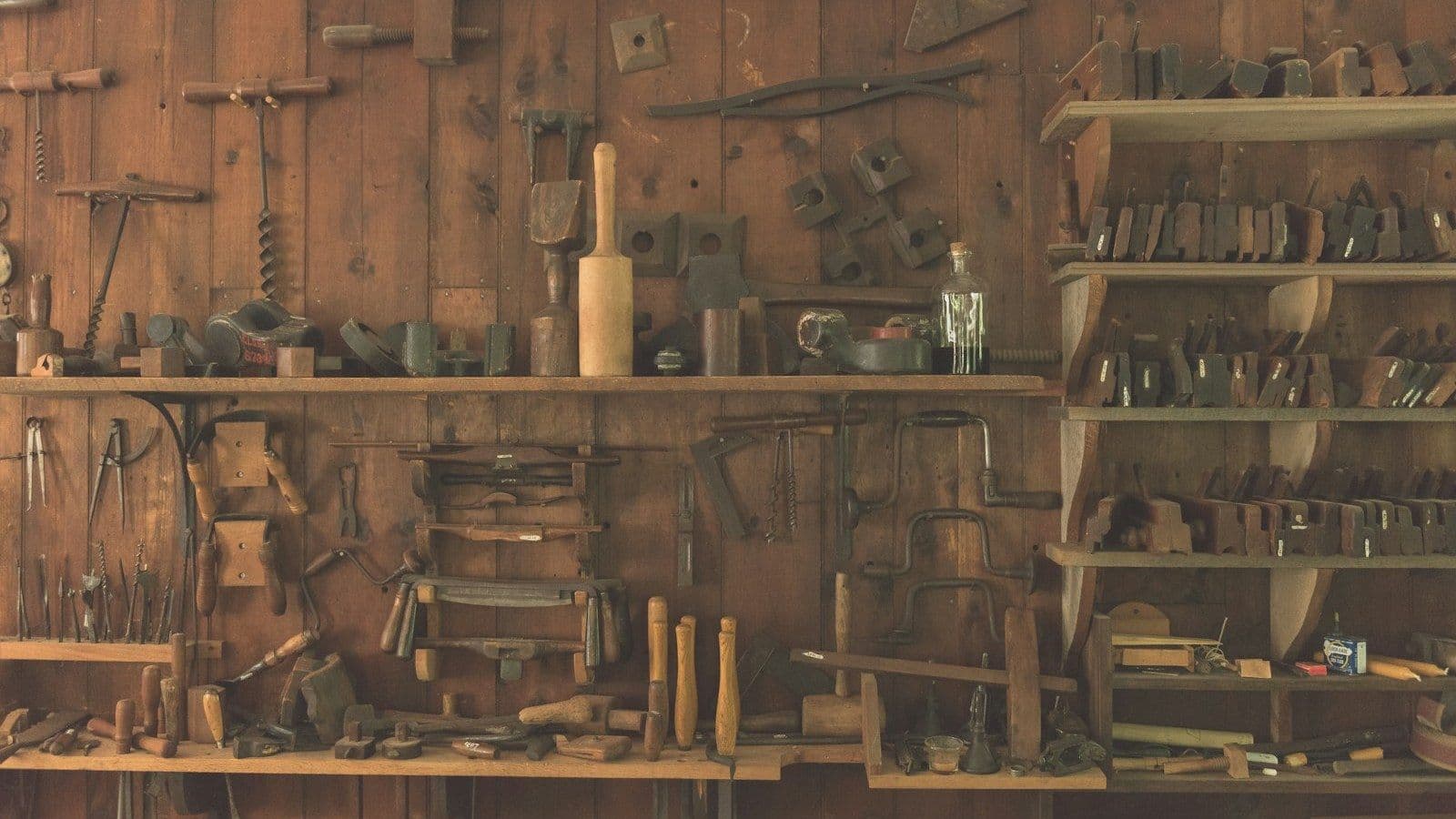
So he began keeping what he cut out, and only what told its story at a glance. A length furred almost shut, the way through it no bigger than a pea. A pipe split four inches where the frost had got in behind a scullery wall. A length patched by some other hand with putty and rag, which held two winters and let go in a bedroom. He nailed them above his counter, each with a card giving the sort of house it came from and what had been noticed first.
Then he had a handbill printed that mentioned neither his years nor his terms. It gave five lines, each a thing a householder might notice without knowing its meaning. A tap that knocks in the night untouched. A brown mark under the bathroom that has not grown in a fortnight and is not going away. Water slow in one room and brisk in the next. A cistern heard filling at two in the morning. Rusty water on a Monday, clear by Tuesday. Beneath them, one sentence. If your house does any of these, send word and I will tell you which it is before I take anything apart.
He had eleven enquiries inside the fortnight, nine opening with somebody naming a line off his paper as their trouble exactly. A farmer waiting his turn looked a long while at the furred pipe and said his own water had run slow two years and he had blamed the pressure.
Be fair to the first man. His work was equal and his window the finest thing on the street. But a cistern scoured bright is a thing only another plumber can admire. Nobody in that town ever woke wanting a cistern. Several woke hearing a tap knock.
The Lesson, Since You've Earned It
A stranger has no instrument for judging your work and a perfect one for recognising his own trouble, so show him the trouble you take away rather than the work you do. He cannot tell a good joint from a poor one. He can tell you to the week when the knocking started.
Consider what you ask of a man when you show him your finished work. You ask him to admire a skill he has never practised, by standards he does not hold. He will be polite and he will not be moved, having no means of being moved, so he falls back on the one measure he trusts, which is the price. Describing his trouble asks nothing of him. He reads that a tap knocks in the night and hears his own landing. That is not an argument you have won, it is an event in his kitchen.
Three things follow, and they are the whole mechanism. A described trouble becomes a thing that can be sent for: the woman with the mark was not holding off, she did not know her trouble belonged to a trade, and unease turns into an errand only once it is named. Next, the symptom proves your experience where no claim can, since any man may print that he is thorough and only one who has opened forty walls knows the rust comes on a Monday. Last, it selects for you, bringing the people who have those troubles and leaving the street in peace.
The material is in your hands already and you are likely throwing it away: the part you cut out, the photograph taken before you touched anything, the words the customer used before she knew what to call it. Keep those words above all, as she said them, since the language of the person with the trouble is not the language of the trade that mends it. And when you show the work itself, show it at its job where it lives, since a picture earns nothing until it shows the result in use.
Two cautions. The trouble must be real, common and plainly described, never darkened to hurry anybody along. A trade that frightens a street gets one job from each house and a name it cannot mend, and your reader feels the line between describing a stain and prophesying a ruined floor. And never stop at the trouble, since five worries and no remedy have spoiled five evenings and nothing else. Name it, say what you will do, and make finding out cost almost nothing.
Three questions, for the week in front of you:
- What words did my last five customers use before they knew the proper name for it? Copy them out of the day book as they stand. That is your next notice, already written.
- Does any of my material show the trouble, or does all of it show me? Lay out what a stranger sees, the window, the page, the van, and count what a troubled man would recognise himself in. If the count is nought, there is your week's work.
- What am I about to throw away that proves what I do? The piece you cut out this afternoon, labelled with the house it came from, will outwork anything a printer sells.
The Answer to the Riddle
Same trade, same street, same prices, and by Michaelmas one was idle and the other turning work away. How?
Because the first filled his window with the best work he had ever done, which nobody on that street could judge, and the second filled his with the troubles he had carried out of their own houses, which all of them could judge at a glance. One asked the town for admiration it could not give. The other handed it a mirror.
The verse:
A stranger cannot weigh your work, he has no rule for that,
But well he knows the knocking tap, the stain above his chair.
So hang the trouble where he looks and name it as he would,
And he will find his own house there and come and seek you out.
Until next time. Go and write down, word for word, what your last customer called the trouble, and put it at the head of the next thing you send out.
The Best Time for Trying was Yesterday...
Ben B. Tilley
P.S. The same law governs the commonest question in trade. Asked at a supper what you do, you name your trade, the stranger nods, and the matter closes. Say instead that you are the man sent for when a ceiling mark has stopped spreading and not gone away, and you will learn how many in the room have one.
Also in the archive: The Faces He Took Down, The Smear on the Hall Paint and The Peg in the Wet Corner.