
Dear friend,
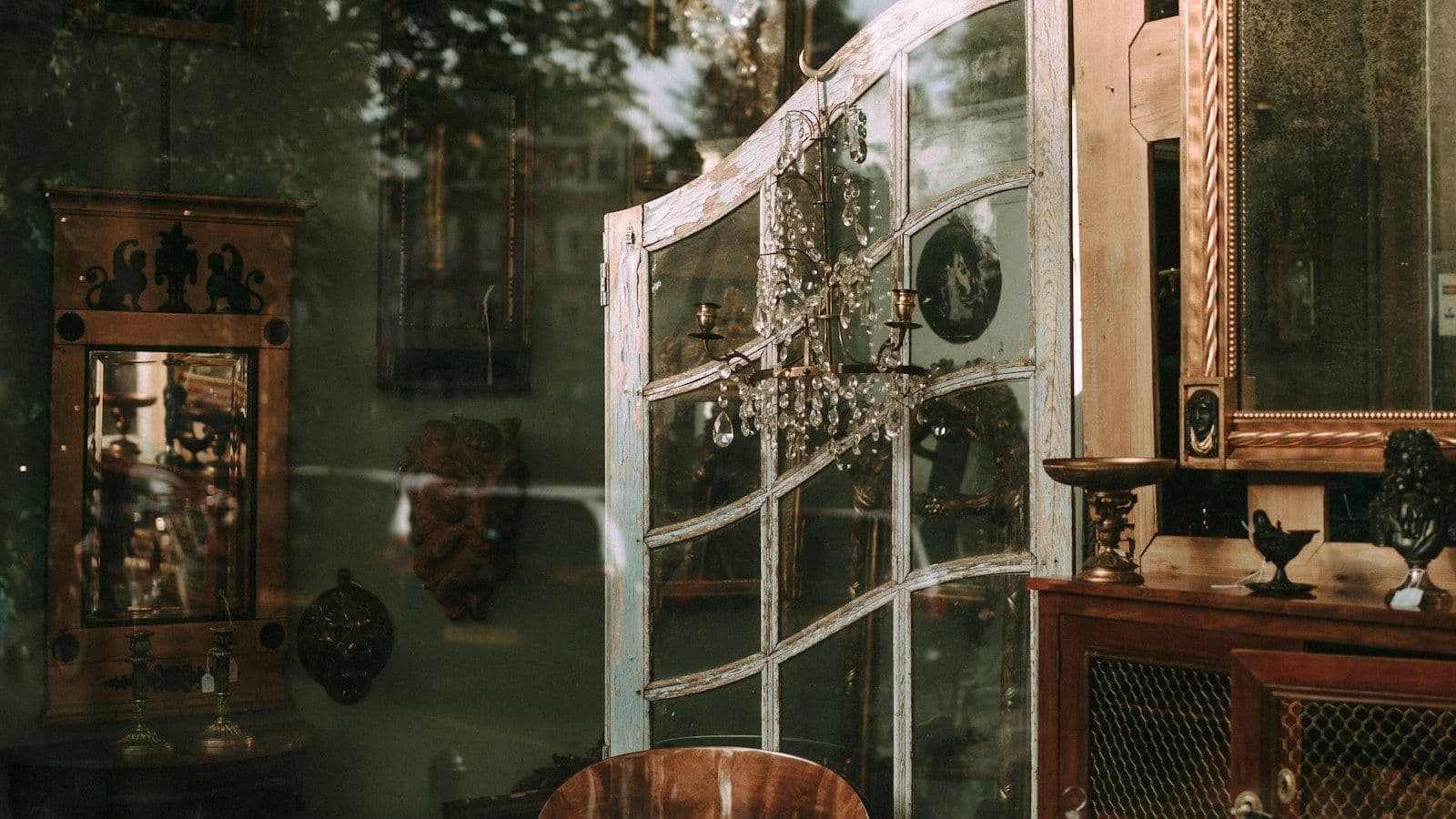
The riddle first, as the tradition demands. Back in the old town, where the weather came off the estuary and every third shop had a bay window leaning over the pavement, two glaziers kept benches at either end of the high street.
Two glaziers in one town, the same crates of glass and the same linseed putty.
Both cut true, and both bedded a pane that outlasted the sash it sat in.
Both charged by the foot, and to the foot their charge was identical.
One kept a single figure for every window in the parish.
One kept two, and the dearer was never once offered to a cottage.
Which of them grew rich, and what did the second figure measure that the first did not?
Hold your answer. Story time.
The Story
Two glaziers, in a town I have never named. Both bought from the same crate agent at the wharf, both cut on green baize with a diamond worn to a nub, and both bedded glass so well that the timber rotted before the putty cracked. Both asked a shilling and threepence the foot, unaltered in nine years.
The first glazier worked in the order the work reached him, which he took to be the only decent way. Then a September gale came up the estuary on a Friday night and broke glass the length of the parish: eleven scullery windows, a schoolroom light, the chemist's door, and the whole lower half of the draper's bay. He began on the Monday at the top of his list and worked down it. The draper's bay was ninth.
So the draper stood behind boards from Saturday until Thursday, lamps burning at noon, his spring prints laid out where nobody could see them, and lost the best week of his season. He could hear the glazier two doors up, whistling, setting eighteen inches of glass into a scullery for one and threepence, and setting it beautifully. The next spring he sent eight miles off to a man who came that afternoon at three times the money, paid without a murmur, and never sent down the street again.
The second glazier charged the cottage exactly what his rival did, and kept a second column in his book beside the first. The rule at the head of it was plain. For a shopfront, an inn window, a surgery or any opening a trade must look through in order to take money, he came within the day, carried in his cart panes cut to the four sizes that town's bays commonly ran to, and would glaze after closing by lamplight so the shop lost no hour of trade. For that he asked four shillings the foot, and a crown for the evening.
None of it was hidden. Both figures stood on the card he left at every shop door, so a shopkeeper read them on a quiet day and chose on his worst one. When the gale came, the draper's bay was glazed by dusk on the Saturday, and the sculleries were done the week after at the old shilling and threepence, by a man who was not rushing.
Be fair to the first glazier. He believed his single price was his honesty, and in that parish a man keeping two prices for the same glass was reckoned sly. He heard no complaint either. The draper never complained but paid somebody else, which is the quietest way a customer has of correcting you.
The Lesson, Since You've Earned It
The same work is not worth the same money in two different doorways, and what makes the difference is whatever stops while the work waits. That is not a licence to charge whatever a man can be made to bear. It is an observation about where your money comes from. Your price is not paid out of your cost book but out of the thing the customer holds it up against, and that changes entirely from one doorway to the next.
The draper never weighed four shillings a foot against one and threepence. He weighed it against his own till in the third week of September, and nine pounds of glazing beside a hundred of millinery is barely a price at all. The cottager weighed the same work against a sack nailed over the hole. You have altered nothing but whose trouble you stand in, and the trouble is most of the value. This is choosing what your price gets compared with.
So a single price, set where the lowest-stakes customer will bear it, is a tax you levy on your own best work. The shopkeeper leaves, because what he wanted was not a shilling off but a Saturday. The cottager leaves in time too, because somebody will always do a scullery for a shilling. The cheap column is not charity, mind. The cottage rate survives because the shopfronts carry it.
The dearer figure carries one condition, and the whole thing stands or falls there. It must buy something nameable that the customer can see and decline: a date, an evening, a man kept free, glass cut and waiting. A pane set on Tuesday with everyone else moved back a day is a service, chosen in the cold light of a Monday. The same figure for the identical pane because the man sounded desperate when he called is not a second price but an opportunity taken, and is remembered as one. It is selling the door rather than the forty minutes, one step on, since you sell the result by a date that matters.
Two cautions. Do not price by the look of the customer or the size of his firm, which is guesswork dressed as judgement and travels badly when two of them compare notes. Price the consequence of the delay, write the rule down, and charge a rich man's spare bedroom at the cottage rate. And do not set the dear column so high that it becomes the only work you will take, since the small jobs that fill your gaps are where next year's shopfronts come from.
Three questions, and the first you can answer tonight:
- Which jobs on your books hold something of the customer's still until you arrive? Takings stopped, a van off the road, a room that cannot be let. Mark them. That is your second column.
- What would the dearer version contain, in one sentence a customer could repeat? If you cannot name the date or the hours it buys, you have not built a second service, only a bigger number, and those get argued with.
- What does a week of waiting cost the people in that second column, in their own figures? Ask the next one outright. Until you know it you are pricing against a rival's card rather than the loss you prevent.
The Answer to the Riddle
Which of them grew rich, and what did the second figure measure that the first did not?
The man with two columns grew rich, and did it without taking a penny more from any cottage. His second figure measured nothing about glass. It measured what stood still on the far side of the window while he decided which job came first. The other measured his work by the foot, a fair way to be paid for glazing and a poor way to be paid for arriving on a Saturday.
The verse:
Two panes may leave the selfsame bench,
Cut true, and bedded sound.
Yet one keeps out a winter's rain
And one holds up a pound.
Until next time. Go and mark the jobs on your books where something of your customer's stands still until you turn up, and set a price for those that names the date it buys.
The Best Time for Trying was Yesterday...
Ben B. Tilley
P.S. Mark the quiet half of this. The first glazier did the urgent work in the end regardless, because no man looks at a boarded shop for a week and keeps to his list. He broke his own order, disappointed two cottagers promised a Tuesday, and had no extra shilling for it. The urgent job gets done either way. A second column only settles whether you are paid for the inconvenience or absorb it and call it service.
Also in the archive: The Fourth Lever, Three Gates and The Crowded End.