
Dear friend,
The riddle first, as the tradition demands. Back in the old town, in the lane behind the fulling mill, two dyers worked for the same drapers and households, and the whole difference between them was that one sold a bath and one sold a colour.
Two dyers, the same coppers and the same madder root.
Both could match a colour to a snippet of faded cloth.
One charged for the dipping, so much for every bath.
One charged for the colour matched, however many baths it took.
The alum cost the same for both men and the coal the same.
Same trade, same vats, same hands. Which man ended the year richer?
Hold your answer. Story time.
The Story
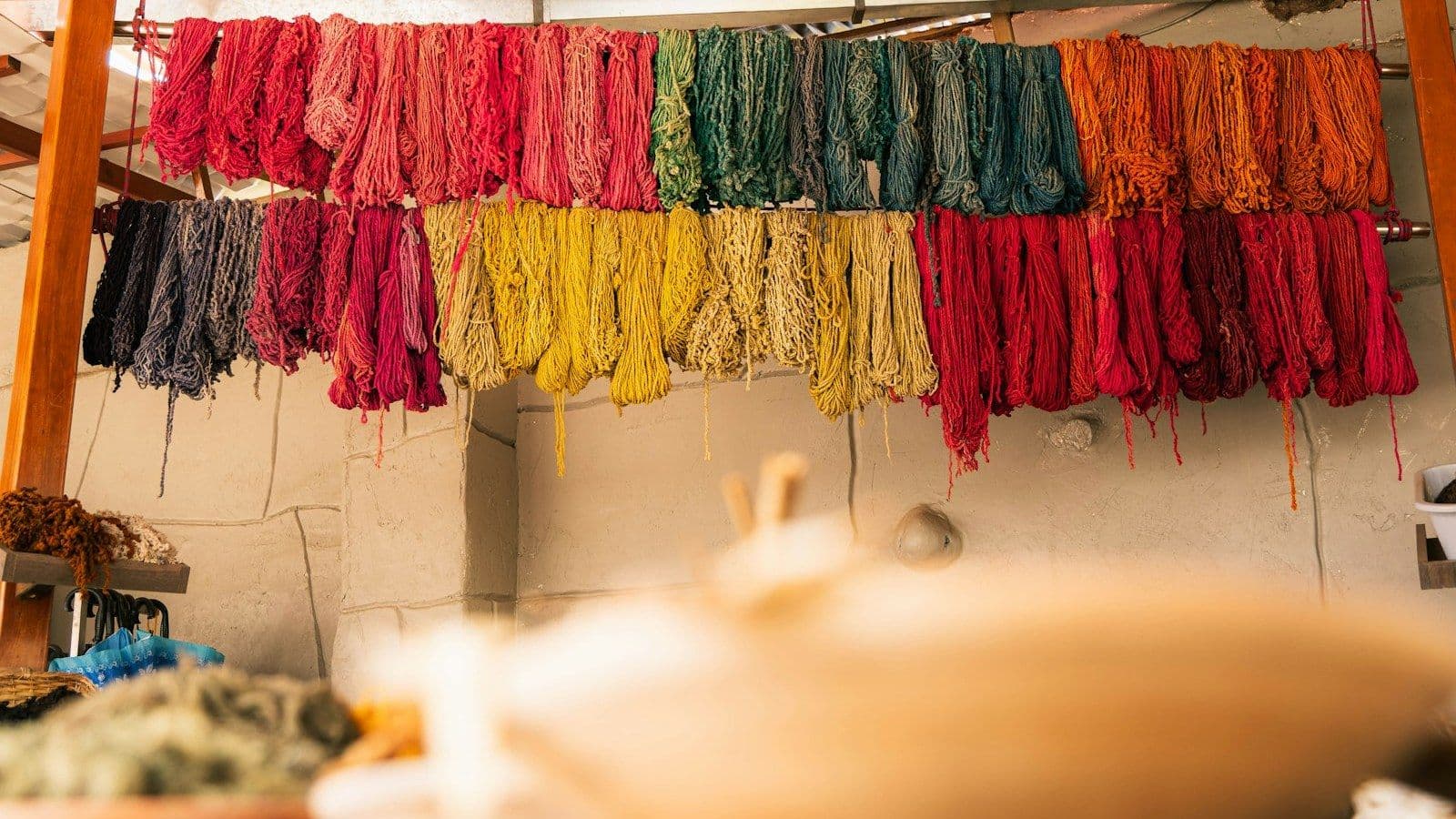
Two dyers in the town I've never named, their yards a hundred paces apart, the same trade down to the last article: coppers over their flues, alum for the mordant, madder ground fine, flagstones stained for good.
Understand the work. A householder brings a snippet cut from the hem of a curtain that has stood eleven years in a sunny window, and wants three new yards to pass for the old. Nobody can promise that in one bath. Wet cloth shows darker than dry, so the dyer dips, lifts, judges it in the doorway and guesses forward.
The first dyer priced the dipping. Sixpence the pound for the goods and eightpence the bath, set out on a card by the door, and nobody could call it dishonest. One try, one bath. Four tries, four.
The second man priced that way for years, until a slack winter when he counted his book. Of the last thirty matchings, six had come right in a single bath, seventeen in two, five in three, and two had taken four. He had never seen what his own card did to the ends of that run. On the quick jobs, where his judgement was best, he was paid least. On the slow ones, where he floundered, he was paid most.
So he wrote his prices out again. One figure for a matched colour: the snippet met, on cloth of the ordinary sorts, up to five yards, however many baths it took, and nothing further to pay. He set it to cover three baths when two was his usual, which made him dearer than the man along the lane, and he said so when asked, without apology.
The drapers came over first, having most to lose, since a draper who has once argued in a yard over whether a fourth dipping was the dyer's fault or the sun's does not care to do it twice.
Then came the part he had not foreseen. Being paid for the colour and not the dipping, he began to attend to the matching itself. He wrote the hardness of the water beside each recipe. Within two years his usual was one bath and a check, on a price set for three. The first dyer grew just as skilful, and every year his skill made him poorer.
Be fair to the first man. His price was exact, his dyeing was good, and he took no penny he had not earned. But he had set the uncertainty down on the counter and asked the customer to pick it up, and a customer will pay a great deal not to.
The Lesson, Since You've Earned It
Where a job has a real unknown inside it, you may sell the attempts or you may sell the finished thing, and the figure for the finished thing is worth more than the arithmetic of the attempts, because a good part of what the customer is buying is the end of his own doubt. Sell by the attempt and you hand him the unknown to hold. Sell the finished thing and you take it back.
Begin with why the taking back is worth money. A man paying by the attempt is not being asked for a sum, he is being asked to carry a risk, and he judges it poorly. He knows only that the bill has no floor and no ceiling, and that he will learn what he owes once his cloth is in another man's yard. One figure sells him the work and the quiet together, and the quiet is worth paying for, as anyone knows who insures against a fire he expects never to have. The same instinct, handled badly, is why a price given as a range is heard at its lowest number.
The second thing is where the luck goes. Under the meter your good fortune only shortens your own bill, while your bad fortune buys you an argument. A firm figure gathers the whole run of jobs into one price, so the easy ones pay for the stubborn ones quietly in your book rather than loudly in a customer's temper.
The third thing is the one the first dyer never saw. The meter is a tax upon mastery. Every hour your knowledge saves is an hour struck off your invoice, so you are paid for being slow and fined for being quick, and twenty years of learning ends in the customer's pocket. Sell the result and the saving is yours, and so is the reason to go on improving. This is the ground of selling the locking door rather than the forty minutes, carried a step further. The hour is not merely a poor description of the thing bought, it is a charge on your own skill, payable by you.
Two cautions. The first is arithmetic. A firm price is only as sound as the spread behind it, so set it from your book rather than your memory. Count the last twenty jobs of the kind, keep the worst one in, and set a figure that would have covered all but one or two. A price set at the average is a promise to lose money half the time. The second caution is the edge. Say which goods, what quantity, and whose eye decides the thing is done, since a firm price with no edge written on it is an unlimited undertaking.
Three questions, for the week in front of you:
- What do my last twenty jobs of this kind show? The best, the typical and the worst, in a column. The worst is the number a firm price must survive.
- Which part of my work do I still charge for by the attempt? Anything billed by the hour, the visit or the sheet. That is where your skill is given away, faster the better you get.
- Where does the firm price end? Write the sentence that closes it, in words you would read aloud in six weeks to a customer turned particular.
The Answer to the Riddle
The same coppers, the same madder root, one man charging for every bath and the other for the colour matched. Which ended the year richer?
The second. He was paid for the colour rather than the fumbling towards it, and every improvement in his hands stayed in them. The first man sold baths, which nobody wants, and gave away the colour, which was all anybody came for.
The verse:
The meter counts your fumbling and is paid for every try,
And docks you by a shilling on the morning you grow skilled.
So name the finished colour and the figure it is worth,
And keep the baths you saved by knowing what you know.
Until next time. Go and take the one kind of job you still price by the attempt, count what the last ten really took, and write a single firm figure that would have covered nine.
The Best Time for Trying was Yesterday...
Ben B. Tilley
P.S. A plain test for whether an unknown belongs inside your figure: ask whether you can make it smaller by knowing more. Unknowns that shrink with better notes, or an hour of looking before you quote, belong inside the price, since you profit by shrinking them. Unknowns that belong to the world rather than to you, a hard frost in January or a length of rot nobody could have seen, belong in writing, named before the work begins.
Also in the archive: The Bell He Had Never Cast, One Joint in Twenty and The Fourth Lever.