
Dear friend,
The riddle first, as the tradition demands. Back in the old town, in a dry summer when half the wells on the north road wanted seeing to, two pump makers drove the same lanes.
Two pump makers, the same brass and the same elm barrels,
The same four pounds ten for a new pump, fitted.
Both were sent for to a yard where the pump had stopped drawing.
One quoted the pump he was asked for, and quoted it fair.
One sold two shillings of leather and named the year the barrel would go.
Whose cart stood in that yard when the barrel finally went?
Hold your answer. Story time.
The Story
Two pump makers in the town I've never named, and their work, in the old chorus, was equally good. Same brass, same elm barrels, same four pounds ten for a new pump set on its bed.
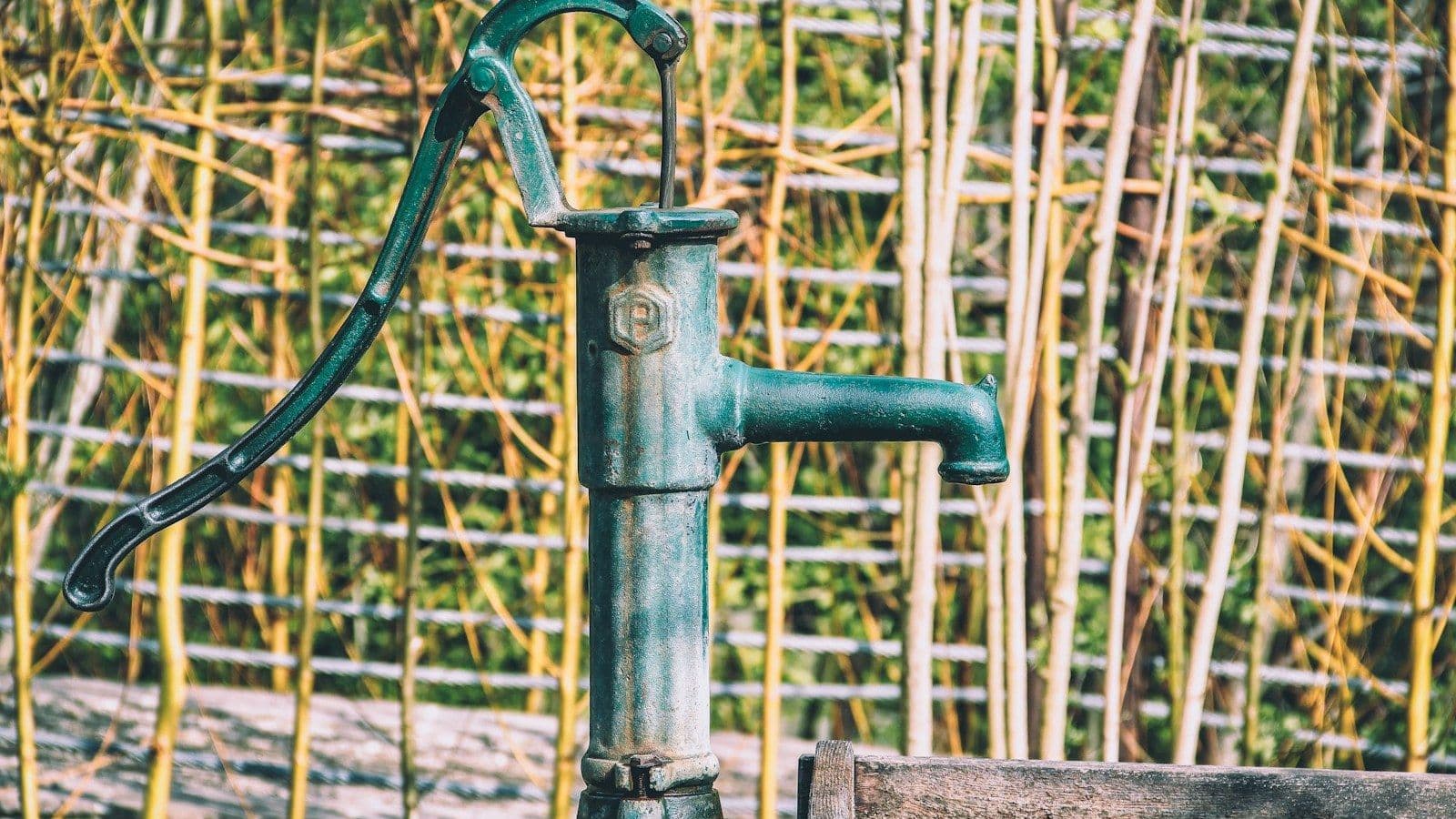
In a dry August a smallholder on the north road sent word to both men on the same morning, as happens oftener than trades suppose. Her pump had gone off. It wheezed when the handle came up and gave a cupful and a cough, and she was carrying water from the beck before six.
The first pump maker came on the Tuesday. He worked the handle four times, heard the wheeze, and told her what was true as far as it went: the pump was old and had come to the end of itself. He quoted four pounds ten, not a farthing above his rival's, and offered to fit it Thursday. She said she would have it.
The second pump maker came up the lane on the Wednesday, knowing none of this. She met him at the gate and told him how the matter stood: the other man says it is finished, a new one comes tomorrow at four pounds ten, what would you charge. That is the easiest sale in the trade. The customer has decided, the price is known, and a man need only name a shilling less.
He asked instead how long the wheeze had been coming on, then took the cap off the head and drew the bucket up into the light. The leather was perished hard and curled at the edge like a biscuit, and would seal nothing. He ran his thumb round the barrel and found it smooth, and the valve sat true.
He told her the pump did not want replacing. It wanted two shillings of leather and half an hour, and the barrel had ten years left in it. Then he chalked on the pump house door the date, what he had renewed, and what would go next and when. He charged two shillings for the leather and a shilling for the journey, and said that when the barrel did go she should send early, because a pump fails in a hard week.
She sent a boy down the hill that evening to stop the Thursday delivery, and she told the story, at the mill and at her sister's, in six words anybody could carry: he could have sold me one. By the third summer he had the pumps of four farms on that road and the lead work at the big house. Nine years later the barrel went, in February, in a hard week, and it was his cart that stood in the yard.
Be fair to the first man. He was no rogue and told no lie. Pumps of that age do fail, the wheeze is how they announce it, and he had been asked the cost of a new one, not what ailed the old. But he sold a pump, and a pump any man with a cart can sell. The other bought, for four pounds seven, the one article no cart will carry.
The Lesson, Since You've Earned It
A sale you turn down in front of a customer is the only evidence of your honesty that costs you anything, which is why it is the only sort believed. Every trade calls itself fair, straight and not out to fleece anybody. Such words are free to say, and a buyer prices them accordingly, at nothing. An act that empties your own pocket while she watches carries a figure she can read, and she will remember it for years.
Consider what she is actually afraid of, standing in her yard. Not four pounds ten, but paying four pounds ten for what a wiser woman would have had for two shillings, and never finding out. She cannot weigh your brass against his, but she can weigh whether you tried to sell her a pump she did not need. Give her the one question she can answer and she will settle the rest in your favour, which is making it safe not to know, paid in coin rather than manner.
The second reason is arithmetic. A refusal travels and good work does not, since a job done properly leaves a customer nothing to repeat beyond the news that you were thorough, which dies at the table. A refusal hands her a story in which she is the shrewd one who found the honest tradesman, and she will carry it a long way for the pleasure of telling it. It is buying a thing for people to say. He gave up four pounds seven and took a road, a big house, and the pump nine years later unquoted. Few trades do that sum, because the four pounds seven falls due on the Wednesday and the road does not appear until the third summer.
Two cautions. First, it must be true and it must cost you. A refusal made with a flourish while the real money sits further down the same bill is a trick, and a trick learned in one parish is known in the next by harvest. Second, do not let honesty become unpaid work. The man who will not charge for the diagnosis becomes the one sent for to be told nothing is wrong. Three shillings for the journey and the leather is the discipline: charge for the looking and you can afford honesty about the finding, for ever.
Three questions, before you next write out a quotation:
- What do customers most often ask you to sell them that they do not need? Name three in writing, with the cheaper honest answer and its price beside each. A trade that cannot name them has been listening with the till in mind.
- What does the looking cost you, and who pays for it? If you look for nothing and hope, your honesty is funded out of your own evenings, and anything funded that way is abandoned in a bad quarter.
- When you last talked somebody out of a purchase, did it leave the room? Said in a yard with nobody else by, and never written down, it was an advertisement you paid for and forgot to post.
The Answer to the Riddle
Whose cart stood in that yard when the barrel finally went?
The second man's, and by then the road's as well. Both men were honest. Only one was seen being honest at a moment when dishonesty would have paid him four pounds seven, and that moment is the whole of a reputation. A customer cannot judge your brass. She can judge what you did when you might have taken her money and did not.
The verse:
The same brass on the cart and the same price for a pump,
The same dry August, the same wheeze from the well.
One quoted the thing he was asked for, and quoted it fairly,
One sold two shillings of leather and left them to tell.
Until next time. Go and write down the three things customers ask for that they mostly do not need, and the smaller honest answer you will give instead, with its price.
The Best Time for Marketing was Yesterday...
Ben B. Tilley
P.S. Turn it round before bed. Somewhere in your own affairs is a trade you would ring before anybody else, and the reason is very often a morning when that man told you to spend less than you had come prepared to spend. You have not forgotten it.
Also in the archive: Most People Ask Me That, How Are the Hens Laying? and The Ironmonger's Second Question.