
Dear friend,
The riddle first, as the tradition demands. Back in the old town, in the week the new season's wine came up from the docks, two wine merchants wrote to the same forty households, and only one of them was ever read.
Two wine merchants, the same cellars and the same forty doors,
Same port, same claret, same week of the year.
One sent a circular in an envelope edged with gold.
One sent a plain envelope, addressed in his own hand.
The circular offered the better terms of the two.
Which letter was opened at breakfast?
Hold your answer. Story time.
The Story
Two wine merchants in the town I've never named, one on the high street and one down by the corn exchange, each with a cellar that smelt of damp brick and cork, each buying from the same shippers. Every autumn, when the new stock arrived, each wrote to his best customers to tell them so. It was the one piece of selling either of them did all year, and a good autumn paid for a thin spring.
The first merchant did the thing handsomely. He had a circular printed by the best printer in the county, on heavy paper, with his firm's name across the top in tall letters and a list of the season's wines below it in two neat columns. The envelopes were cream, with a gold edge and his crest embossed on the flap, and across the front, in red, the printer had set the words Important Announcement. A boy in the printer's shop pasted on the addresses from a list. It was handsome, and his terms were generous: a case at the old price for any order placed before the first of November.
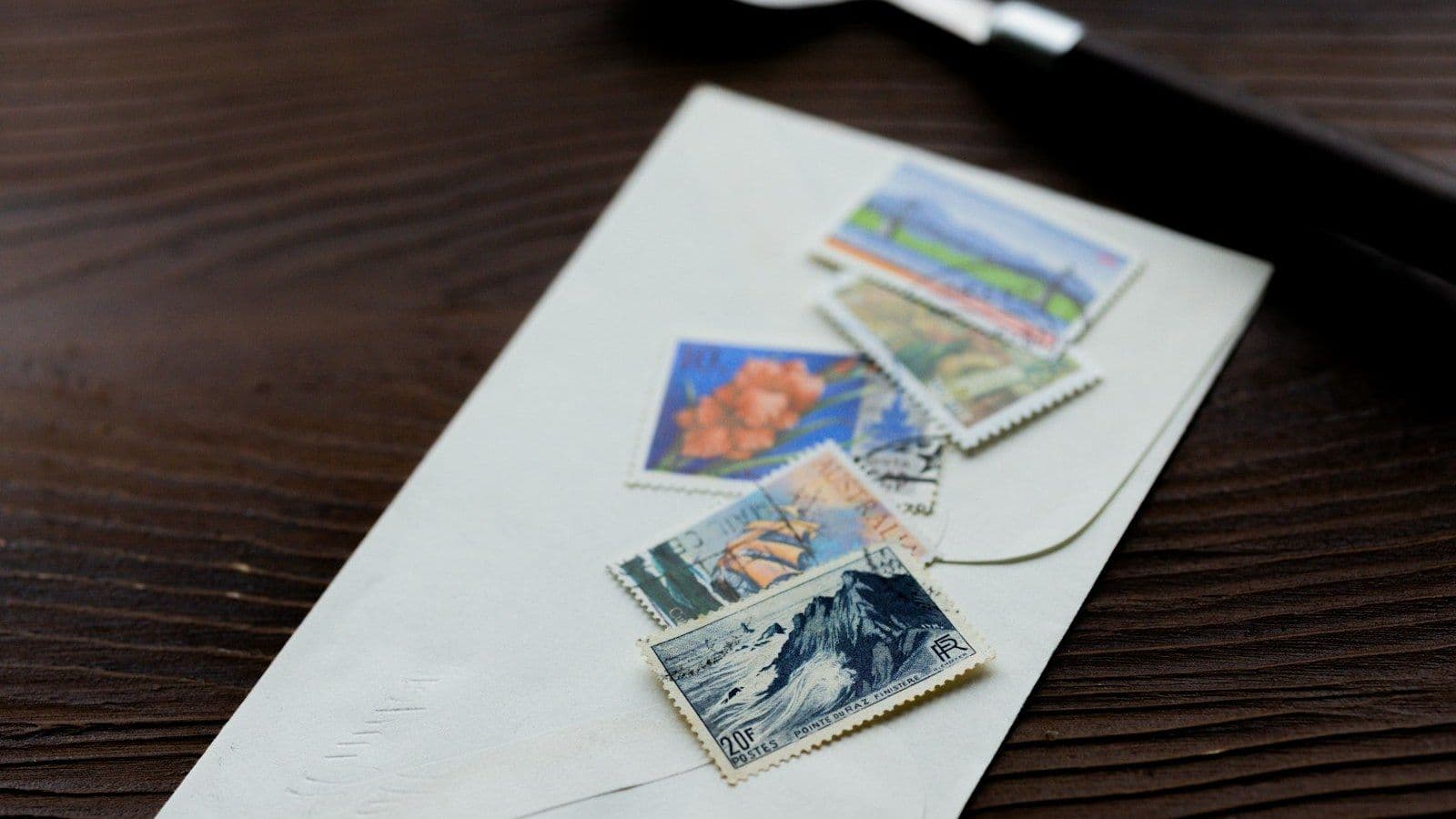
The second merchant could not afford the printer and did not much want him. He bought forty plain envelopes at the stationer's and spent two evenings at his kitchen table addressing each one himself, in his own rather ordinary hand. He put an ordinary stamp on each, not quite straight. There was nothing on the outside to say who had sent it or why. Inside was a single sheet, also in his hand, which began with the householder's name and said that the port he had liked last year had come in again and was better, and that he had put a case aside in case it was wanted.
Now consider the breakfast table in any one of those forty houses. The post comes in on a tray with the toast, and whoever goes through it sorts it, without ever deciding to, into two piles. On the near side go the letters from people: a sister, a son at school, a friend, an unknown hand that might be anybody. These are opened there and then with the butter knife. On the far side go the letters from firms: bills, notices, circulars, anything that announces itself as selling. These go to the study to be dealt with later, and later, for a circular, means the grate.
The gold-edged envelope went to the far pile in every house. It had told the householder, from across the table, exactly what it was, and it had told him in red. Nobody opened it to find the generous terms inside, because nobody opened it. The plain envelope went to the near pile in every house, because nobody could tell from the outside that it was not from a person. It was, of course, a person with something to sell, and it was read over the marmalade by people with cellars to fill. By the end of the month the second merchant had put aside rather more cases than he had written letters.
The first merchant told his wife that people did not write back to circulars any more, which was true, and that the town had lost its taste for good wine, which was not.
The Lesson, Since You've Earned It
Every message is sorted before it is read, and it is sorted on the outside, so the first job of anything you send is to look like it came from a person and not from a firm. Your customer has two piles, whether they know it or not. One is for people, and it gets opened. The other is for businesses, and it gets opened later, which is to say not at all. Your offer, your wording and your prices are all inside the envelope, and none of them can do their work until somebody has decided to open it.
That decision takes about a second and is made on almost nothing: the sender, the first words that show, whether it looks printed for many or written for one. The things a firm is proudest of, its name in capitals, its colours, its announcement, are exactly the things that tell the reader which pile to use. The trappings of importance are the marks of a circular. And once a message is on the far pile, it does not matter how good the letter is. You were writing to one household, as you should be; there is no crowd. But you must also look as if you were.
Today the breakfast tray is a telephone, and the piles are sorted faster than ever. An email from a company name, with a banner, a logo and a subject line in the voice of an announcement, goes to the far pile before it is fully on the screen. An email from a first name, with a plain subject line of the sort a person would write to another person, and a first line that reads like a letter, is opened because it might be somebody. Test the words on the outside as carefully as you test the offer on the inside, because the outside is where most of your letters are lost.
Two cautions. First, the plain envelope earns you the opening, and nothing more. If the letter inside turns out to be the circular after all, the reader feels tricked, and a person who has been tricked once sorts your name to the far pile for good. The second merchant's letter was plain on the outside because it was personal on the inside. Do not borrow the look of a friend to deliver the manner of a stranger. Second, a plain note that says nothing in particular still wastes the reader's second, and spends the trust you will need next time.
Three questions, before you next send anything to your customers:
- Which pile does it land on? Look at your last message as it arrived: the sender, the subject line, the first line that shows. Would a busy person take it for a letter or a notice?
- Who is it from? A person can be written back to and a firm cannot. Send it from your own name, and sign it the same way.
- What does the inside promise to the one who opened it? Read the first two lines. If they are about you, the season or your range, rewrite them until they are about the reader and something the reader wanted.
The Answer to the Riddle
Which letter was opened at breakfast?
The plain one, in the merchant's own hand. The gold-edged circular had the better terms, but its terms were inside and its gold was outside, and the gold told every householder at a glance that this was a firm with something to announce. It was carried to the study and never seen again. The plain envelope could have been from anybody, so it was opened like a letter from somebody, and it was.
The verse:
The gold-edged letter tells you what it is
Before the knife has ever reached the seal.
The plain one, crooked stamp and all, is his,
And opened, since it might be someone real.
Until next time. Go and look at the last message you sent your customers exactly as it arrived in their inbox, and ask which pile it would have landed on.
The Best Time for Marketing was Yesterday...
Ben B. Tilley
P.S. The cheapest improvement most firms can make to their post is to change the name it comes from. The same message, the same list and the same day, sent once from the business and once from the person who runs it, will not be opened by the same number of people, and it is not usually close. It costs nothing to try.
Also in the archive: The Ones Who Went Quiet, Ninety-One Letters and The Sign Nobody Read.