
Dear friend,
The riddle first, as the tradition demands. Back in the old town, in the autumn when a fortnight of rain found the weak roofs of the parish, two slaters priced the same damp ceiling, and only one mended it.
Two slaters in one parish, the same ladders and the same slate,
Same price to the shilling, same fortnight free in the book.
One answered every question the householder thought to ask.
One gave her six questions to put to any slater, himself included.
She carried those six straight to his rival and asked them all.
Which man mended the roof?
Hold your answer. Story time.
The Story
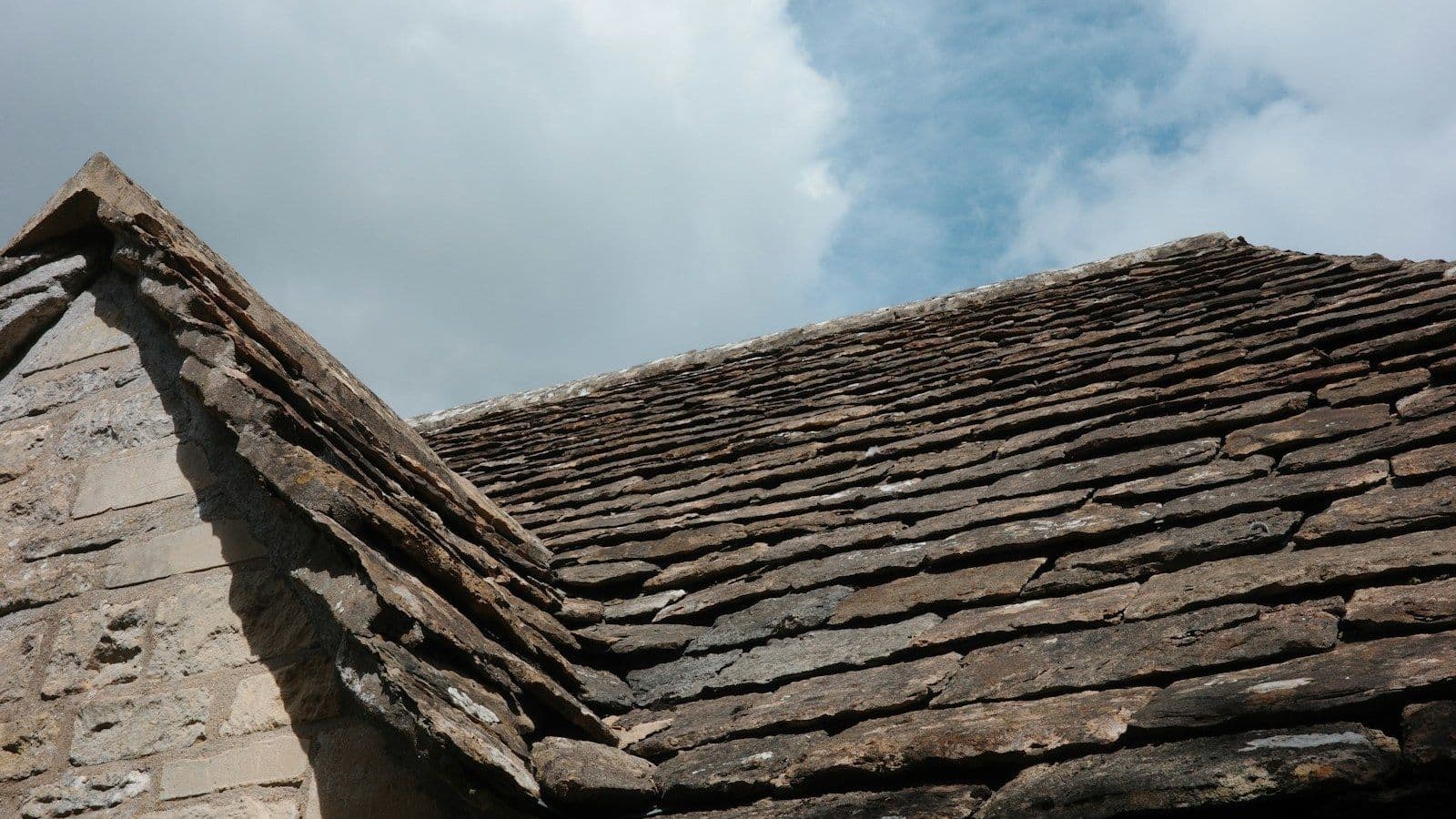
Two slaters in the town I've never named, both sound men. Theirs is a business conducted thirty feet above the heads of the people who pay for it. The customer stands in the garden with her hand shading her eyes and sees two boots and a cap. She finds out whether the work was done well in about eleven years.
That autumn a householder on the north side of the square found a brown ring the size of a dinner plate on her bedroom ceiling, and the smell of wet plaster each morning. Both came within the week, set a ladder against the same gable, came down with mortar dust on their forearms, and said the same thing: a dozen slates gone, the lead round the chimney finished, three days' work after the fair. Their prices were within a few shillings.
The first slater answered every question she asked, and answered it well. How long would it take. When could he begin. Would the garden be left as he found it. He was courteous, and he said, truthfully, that she would get a proper job. Then he touched his cap and went back to his yard to wait for her to make up her mind.
The second slater answered the same questions in much the same way. Then he took from his coat a card, printed a hundred at a time at the jobbing printer's, and put it in her hand. At the top it said: six things worth asking any man who offers to mend your roof. Underneath were the six. Whether he nails with iron or copper, and what damp winters do to iron. Whether he has lifted two sound slates to look at the battens beneath, or is quoting from the ground. Whether the lead round the chimney is to be replaced or mortared over. Whether making good the plaster inside is in his price. What happens if it rains on the second day with the roof open. Who carts the old slate away, and when.
She asked all six on the doorstep and he answered without hesitating, having written them. Then he said the thing that decided it. She should take the card down to the other man and ask him the same six, and if he answered them better, she should give him the work.
She did exactly that. The first slater read the card in his yard. Three of the six he answered plainly and well. Two he answered in general terms, which is to say that he always did right by a customer. On the battens he said he would have a look when he was up there. Every one of those answers was probably true of his work, and he was the neater workman. He had simply never been asked to put it into words, and a man saying a thing aloud for the first time, with another man's card in his hand, sounds like a man inventing it.
The second slater mended the roof. The first told his son afterwards that the work goes to whoever talks best, which was nearly right and entirely useless to him.
The Lesson, Since You've Earned It
A customer who has never been given any way of judging your trade will judge it on price, because the price is the only part of it she can read. She is neither mean nor a fool. She has two pieces of paper in front of her, nearly everything on them is the same, and one figure is different. What separates good work from bad in your line is buried in a wall or hidden under a slate, and what cannot be seen cannot be weighed. So she does the only arithmetic available to her, you lose to a cheaper man, and you tell yourself the town has gone hard, when in truth nobody ever told her what she was buying.
The remedy is not to argue that you are better. Every trade says that, and it has never once been believed. The remedy is to hand her the measure: write down the questions that separate a good job from a bad one, and invite her to ask them of everybody, beginning with you. Whoever writes the questions has chosen the ground the trade will be compared on.
The invitation to take the card to your rival is the mechanism, not the flourish. A list you keep to yourself is a sales talk and is discounted as one. A list you hand over to be used against you is a standard, believed because you appear to be risking something by giving it. You are risking little: you wrote them out of twenty years of watching the work go wrong, and the other man is answering them cold.
Understand what she is shopping for. She does not want the best slater in the county, whom she could not recognise anyway. She wants to stop lying awake about the ceiling. A short list of sober questions is a kindness to a person in that state: it turns a worry she cannot manage into a task she can. Give her that and you are often the man she has stopped looking past. The same card works on a website at nine in the evening, before she has rung anybody at all.
Two cautions. First, the questions must be true tests of the work and not a fence round your own yard. Write six that only your method can pass, and the first rival who is asked will say so, and you become a man who tried to rig the comparison. Second, you must answer every one of them better than anybody, in plain words, on a doorstep. Most trades find one answer they would rather not give aloud, and the honest course is to mend the work rather than soften the question.
Three questions, before you write your own card:
- How does a job in your trade get botched without the customer noticing for a year? That is where your six come from. Not your virtues, but the corners a hurried man cuts that nobody finds for a year.
- Could your nearest rival answer all six as well as you? If he could, you have written pleasantries and they will decide nothing. If he could not, you have found the part of your work worth being paid properly for.
- How does it reach her before you do? Put them on the quotation and on the website, and leave a copy behind after every visit, won or lost.
The Answer to the Riddle
Which man mended the roof?
The one who gave the questions away. He did not win because he was the better slater, and probably he was not. He won because he was the only man in the parish who had told the householder what better meant. Once his six were in her hand, every price she held was read through them.
The verse:
She cannot climb the ladder, cannot see
Beneath the slate, and so she reads the price.
Hand her the questions, all the honest six,
And she will judge the trade by your advice.
Until next time. Go and write down the six questions a customer ought to ask anybody in your trade, and answer them honestly on paper first.
The Best Time for Marketing was Yesterday...
Ben B. Tilley
P.S. Write the six for yourself first, before printing anything. Nearly every trade that does this turns up one question it would rather never be asked, and that discovery is worth more than the card.
Also in the archive: The Sign Nobody Read, Everyone Does It, Nobody Says It and Twenty-Seven Hundredweight.