
Dear friend,
The riddle first, as the tradition demands. Back in the old town, where two dressmakers had the same merino, the same six weeks before the assembly, and more work promised than there were weeks to do it in.
Two dressmakers in one town, the same bolts of merino, the same irons, the same two girls at the table.
Both were asked for more gowns than six weeks could hold, and both had to put somebody off.
Both were kind women, and neither ever gave a reason that was untrue.
One decided each morning whose work should move up, and told nobody how she decided.
One hung a card by the door with the weeks ruled on it and every name in the order it came.
Why was only one of them thought fair by the very people she disappointed?
Hold your answer. Story time.
The Story
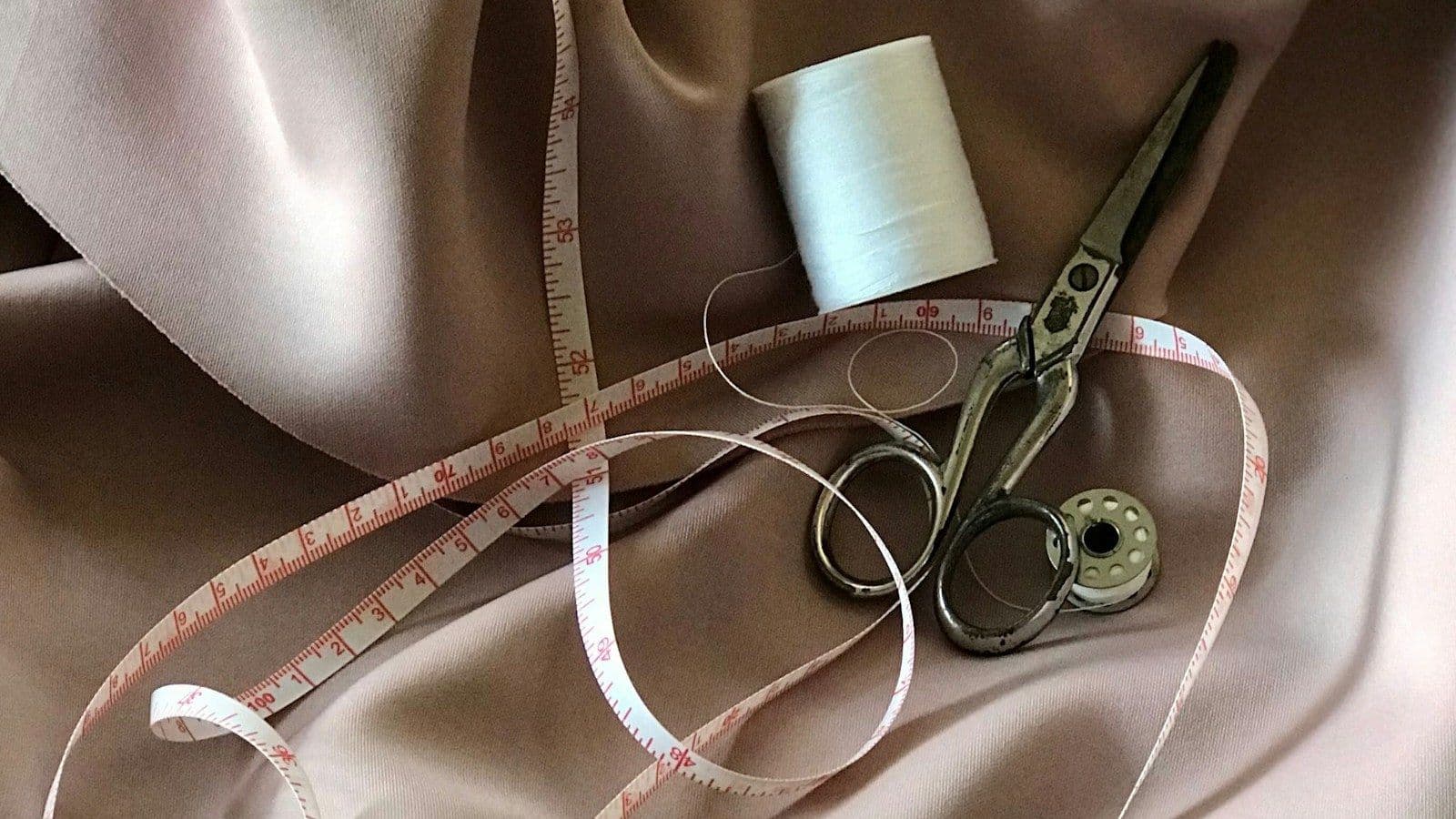
Two dressmakers in the town I've never named. A long table under the window, merino and bombazine stood on end in the corner, a flat iron on the stove and the smell of hot linen all day. Pins in a saucer, chalk gone to a stub, a girl tacking sleeves. Both worked for the same families, and nobody could have told you whose buttonholes were the neater.
Autumn was the crush: the harvest suppers, the weddings that waited on the harvest, and the Michaelmas assembly in the Corn Exchange. Six weeks of work promised into four weeks of table. Neither woman could do the whole of it, and both knew it in August.
The first dressmaker settled it morning by morning, and settled it kindly. The attorney's wife had sent her maid round twice before Tuesday, so the attorney's wife was cut on the Wednesday. A girl going to her first assembly had a mother who cried in the shop, so the girl went up the table. Mourning work went to the front, which anybody would have done. None of it was favouritism as she understood the word. She obliged whoever stood in front of her, and whoever stood there most often got obliged most. The farmer's wife from the far end, who had asked in July, said nothing and was twice told that the week after next would see it started. She had her gown on the Friday with the hem done in a hurry. She did not complain. She went to the other dressmaker in the spring, and so did her sister, and so did two households on her lane who had heard the story told at a kitchen table.
The second dressmaker had worked the same way for years and stopped after a bad autumn. What she put up instead was a card by the door, the width of a tea tray, the six weeks ruled across it in ink and every order written in the week it would be cut. Her own hand, no ceremony, and anybody waiting to be measured could read the whole of it while she found her tape. Orders went in the week they were taken. Mourning came first and the card said so at the top, so that a widow jumping the whole table was a rule being kept rather than a favour being granted. A woman wanting hers sooner was shown the card, told which weeks were full, and asked whether she would take the next clear week or go to the other shop. Two or three went every autumn, and she let them go.
Nobody argued with the card, because there was nothing in it to argue with. A name was where it was because of the day it arrived, which is a fact and not an opinion. The maid sent round twice stopped being sent round. The farmer's wife found her own name written in the fourth week and went home satisfied, having been given nothing except the knowledge of where she stood.
Be fair to the first woman. She was the more generous of the two, and most of her decisions were made for somebody's benefit at her own expense. What she never saw was that a kindness nobody else can see looks, from the far end of the lane, exactly like a slight.
The Lesson, Since You've Earned It
A customer minds her place in your queue far less than she minds being unable to see the queue at all, and she will forgive an order of work she dislikes but can read where she will never forgive a kindness she cannot verify. The card was not a better way of getting gowns made. It was a better answer to the question every waiting customer asks and almost none asks aloud.
The reason sits in what your customer can judge. She cannot see your table, your other forty orders or the hour you worked until on Tuesday, so she can form no view about whether her six weeks are reasonable. What she can judge is whether the same thing happens to everybody. Give her a visible rule and she measures herself against the rule. Give her nothing and she measures herself against customers who are invisible to her, which means against her own suspicions. This is why a lead time stated as a fact is accepted where the same lead time apologised for is resented, and why the trades most complained of for delay are rarely the slowest. They are the ones that never said.
The second effect is the expensive one. Where the order of work is decided by whoever presses, pressing is being taught as a method, and it is learned quickly. Within a season you have trained your demanding customers to be more demanding, since it works, and your patient ones to go quiet, since nothing else does. The people you would most like to keep are the ones the arrangement is built to disappoint, and they do not complain on the way out. The same mechanism makes a price raised in a shortage feel like an injury rather than an expense. The week, like the money, matters less than the discovery that the thing can be moved and was not moved for you.
The usual objection is that a rule takes away the freedom to look after a good customer in a tight corner, and it deserves an answer. A rule need not be first come, first served. It can put mourning first, a paid deposit first, a breakdown before an improvement, a contract customer before a casual one. Any of these is tolerated and some are approved of, provided it is written down in advance and applied without regard to who is asking. What cannot survive daylight is the secret priority, because a secret priority must be re-earned by every customer every week, and the way they earn it is by making a nuisance of themselves. You have not kept your flexibility. You have auctioned it.
Two cautions. First, do not publish a rule you intend to break. A visible exception is remembered longer than the rule, and whoever receives it learns that the card moves when pushed. If you want room to oblige people, leave the room in the rule itself and say what it is. Second, a visible order of work is no defence of the order of work. Fairness about a twelve week queue does not make the queue right, and a card showing every week full to Christmas has told you something about your prices rather than your popularity.
Three questions, and the first wants doing before you answer any message tonight:
- If two of your customers compared notes tonight, would the order you are working in make sense to both? Take the two you would least like to have that conversation, and say out loud why one is ahead of the other. If the reason is that one of them rings you more, you have found the thing to fix.
- Which of your customers has learned that pressing you works? Name them, then set what their work earns against the quiet accounts you have kept waiting on their behalf. Your best weeks are usually going to your worst payers.
- Where can a customer read your order of work? Not your diary, which is yours, but the one line giving the week work taken today would start and what goes in front of it. Write it once, put it where it is read before anybody has to ask, and say it the same way to everybody.
The Answer to the Riddle
Why was only one of them thought fair by the very people she disappointed?
Because one disappointed by a rule anybody could read, and the other by a judgement nobody could see. The same six weeks, the same customers put off, the same honest reasons given. In one shop a customer knew where she stood without asking. In the other she could only guess, and people left to guess at their own standing guess unkindly and then act on it.
The verse:
One chose each morning who should wait and told them kindly, one by one,
One ruled the weeks across a card and hung it beside the door.
The same six weeks, the same two gowns put back until the Friday,
But only one was blamed for it, and only one was blamed for long.
Until next time. Go and write the one line that says when work taken today would start, and put it where your next three customers will read it before they ask.
The Best Time for Trying was Yesterday...
Ben B. Tilley
P.S. The card works backwards too, on work finished rather than work promised. A customer told on the Monday what was done in the week, and in what order, forms no theory about the week. One who hears nothing has formed one by Thursday, and it is seldom flattering. Nor is it corrected by the quality of the gown, because by then she has decided what sort of shop she is dealing with.
Also in the archive: The Thirty Who Pay the Rent, The Innkeeper's Rule and Settled in February.