
Dear friend,
The riddle first, as the tradition demands. Back in the old town there were two men who sold the same lamp oil out of the same sort of shop, and the whole difference between them was the question they put to their customers.
Two ironmongers in the town I have never named, the same nails and chain and the same barrel of lamp oil.
Both served the same forty households, and both had the same thought in the same September.
Both wanted to know whether a new thing would sell before they laid out money on it.
One asked his customers what they would do, and thirty-one of them told him.
One asked his customers what they had already done, and never counted the answers at all.
Same oil, same forty households, same September. Whose outlay was still earning at Easter?
Hold your answer. Story time.
The Story
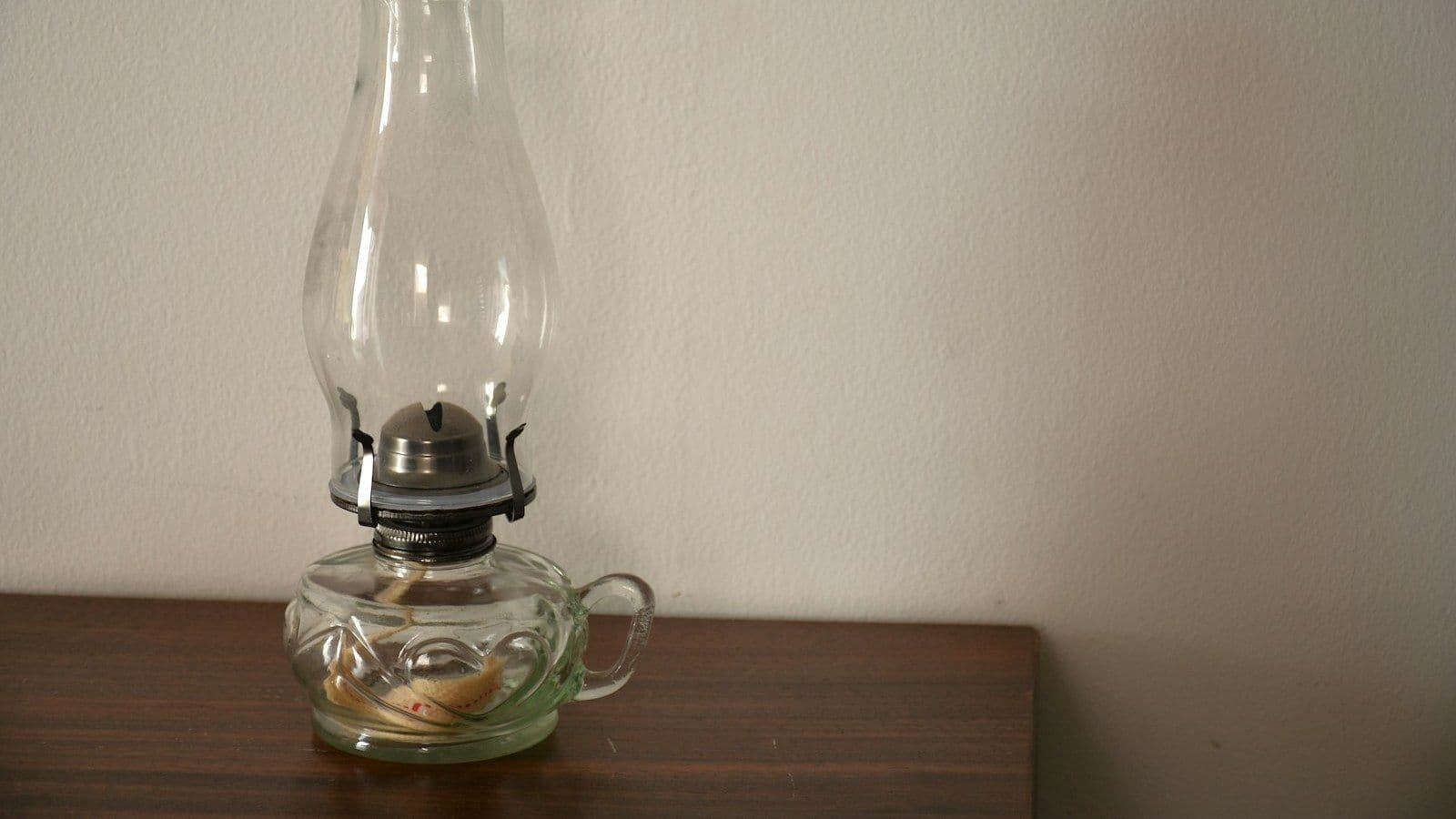
The two shops stood at either end of the same long street, and a stranger could not have told them apart. Chain and sieves hung from the beam, the nails lay in open boxes by weight, and at the back of each, on a stand of its own, stood the oil barrel with its brass tap and the tin measure chained beside it. The outlying farms burned a deal of oil between Michaelmas and Lady Day, and both men knew it, and both had noticed the same thing in the same week of September. The dark was coming on earlier, and the oil was going out faster, and there was money in it for whichever of them thought of something first.
The first ironmonger thought of a round. A cart, a Friday, and the oil carried out to the farms instead of fetched in from them. Before he spent a shilling on it he did the sensible thing and asked. He wrote the proposal out plainly on a card and set it by the scales: oil delivered to your door of a Friday, at one penny the gallon above the counter price, and would you take it. He put the question to every customer who came in for a fortnight, and he put it kindly, and he wrote down what they said. Thirty-one said yes out of forty. Two were doubtful. He bought a light cart in October and arranged for the loan of a horse on Fridays.
Nine took it. By the second week of December he was driving eleven miles to sell four gallons, and by March the cart stood in his yard with the shafts up, and he sold it in the spring at a loss of some pounds. He was not a fool and he had not been lied to. Thirty-one people had told him the truth as they knew it, standing in a warm shop with no money on the counter.
The second ironmonger asked a question too, but it pointed backwards. Whenever a man came in for oil he said: when did you last run short, and what did you do about it. He asked it perhaps fifty times and wrote the answers in the back of his day book in the words he was given. They ran out at night, almost always. One had burned candle ends for three evenings. One had gone round to a neighbour with a jug and did not care to do it twice. One had driven in on the Saturday morning in the rain for a single gallon and lost half a day at it. Not one of them, in fifty answers, said anything whatever about Friday.
So he did not buy a cart. He bought two dozen tin cans of a gallon apiece, set them on the counter under a card that said the spare gallon, and told every oil customer the same thing: take two, keep one full behind the door and never open it until the other is dry, and bring the empty in when you come. He charged for the can and he charged for the oil in it. Twenty-two households bought one before Christmas, and most of them came in a week earlier than they used to, with an empty can in the hand and the full one still behind the door. The thirty-one who would have paid a penny for delivery would not pay it. The same households paid for a tin can without a moment of argument, because every one of them had already paid for the dark evening once, in a worse coin than money.
The Lesson, Since You've Earned It
A customer can report what he has already done with fair accuracy and can predict what he will do with none at all, so ask him only about his past. This is not a complaint about human honesty. The thirty-one were not idle or deceitful, and if you had taken each of them aside and sworn him on the parish bible he would have said the same thing again. The fault is in the question, which asks a man to stand where he is not standing and feel what he does not feel.
Three things go wrong at once when you ask what a man would do. The first is that the question is put in the wrong room. The decision, when it truly comes, will be taken on a wet Friday with a bill due and a wife with another use for the penny, and none of that is present at the counter. What is present is a pleasant idea at no cost. The second is that agreeing is cheaper than disagreeing. You are a man he likes and sees weekly, and your question has a right answer written on your face, and saying no to you costs him a small coldness while saying yes costs him nothing at all. The third is the deepest. A man does not know his own reasons. He knows what he did, and when he is asked why, he writes a reason afterwards that is respectable and tidy and frequently not the one that moved him. Ask him to predict and you are asking him to consult a witness who was never in the room.
His past, though, he has got. He ran out of oil on the fourteenth of November and burned candle ends for three nights, and that is a fact with a date on it, and it cost him something he can still feel. Behaviour that has already happened is the only evidence a customer carries about his person. I have written before that the till has no opinions, which is the same principle wearing its working clothes, and separately that a reason the customer has spoken himself outweighs the same reason from you. Put the two together and you have your method. Gather what they did, in their own words, and let them tell you the cost of it.
Notice also what the second man got that was not in anybody's answer. Nobody asked for a spare can. Not one of the fifty proposed it, and had he put it on a card as a question he would likely have been told it was a bother and an expense. The answers did not contain the remedy. They contained the trouble, which is the raw material of the remedy, and the trouble was running dry in the dark rather than walking to the shop. Your customers are reliable witnesses and unreliable designers. Take the evidence and do the designing yourself.
Two cautions. The first is that none of this means you should stop listening. What a customer says is poor evidence of what he will buy and excellent evidence of how he thinks and what words he uses, and his complaint is worth more than any survey ever written. It is prediction and self-explanation that will mislead you, not description. The second is that the past is silent about what has never been offered. Your records can only tell you how people behaved towards the things that were there to be bought, so they will never, on their own, produce a new line. When you must know about a thing nobody has yet been able to buy, do not ask forty people. Put it out at a real price for a fortnight and see who pays, which is the only question a customer answers with his whole self.
Three questions, for the week in front of you:
- What is the last thing I changed because customers told me they wanted it, and what has it earned? Go and look at the figure rather than the memory. A thing introduced on thirty-one yeses and quietly kept on afterwards is the commonest dead weight in a small trade.
- Of my last twenty enquiries, what had each of them already tried before they came to me? You will not have written it down, which is the point. Start with the next three, ask what they did last time and what it cost them, and take the words exactly as given.
- What would it cost me to offer the thing for a fortnight instead of asking about it? If the test is cheaper than the asking, and it very often is, you have no business running a survey at all.
The Answer to the Riddle
Same oil, same forty households, same September. Whose outlay was still earning at Easter?
The second man's. His two dozen tin cans were in use behind two dozen doors and bringing their owners in a week early with the empty in hand, while the first man's cart was sold in the spring for less than he gave for it. Both had asked their customers. One had asked them to foretell a Friday they had not yet lived through, and got thirty-one honest guesses. One had asked them what happened on a night in November, and got fifty facts.
The verse:
Ask a man what he will do and he answers with his wishes,
For the wet night is not on him and the penny is not spent.
Ask a man what he has done and the answer has a date on it,
And a date is worth the whole of what the forty cards had meant.
Until next time. Go and ask the next three people who enquire what they did the last time this trouble came up, and write their answers down in their own words.
The Best Time for Trying was Yesterday...
Ben B. Tilley
P.S. There is one question about the future that is worth asking, and it is not a question at all but a request. Ask the man to do something small and real now: leave a name on a list, pay a deposit of a shilling, name the week he would want it. A yes that costs nothing is weather. A yes that costs a shilling is a forecast, and you may lay out money against it. The first ironmonger could have had the whole truth for the price of asking his thirty-one to put sixpence down against the first delivery, and he would have bought no cart.
Also in the archive: Let Them Try It, The Ledger That Would Not Lie Flat and The Sacks He Counted.