
Dear friend,
The riddle first, as the tradition demands. Back in the old town, where two men set kitchen ranges from the same list, and only one would say which he would have himself.
Two range setters in one town, the same foundry list and the same price to fit.
Both were called to a kitchen where a householder had cooked thirty years on an open grate.
Both saw the same short flue and the same baking day.
One laid out all nine ranges on the list and left her to choose.
One laid out three, then named the one he would set in his own mother's kitchen.
By October one of them had been sent for by three neighbours. Which, and why?
Hold your answer. Story time.
The Story
Two range setters, in a town I have never named. Both took work from the same foundry and carried the same printed list of nine closed ranges, from four pounds for the plainest to eleven for the one with two ovens.
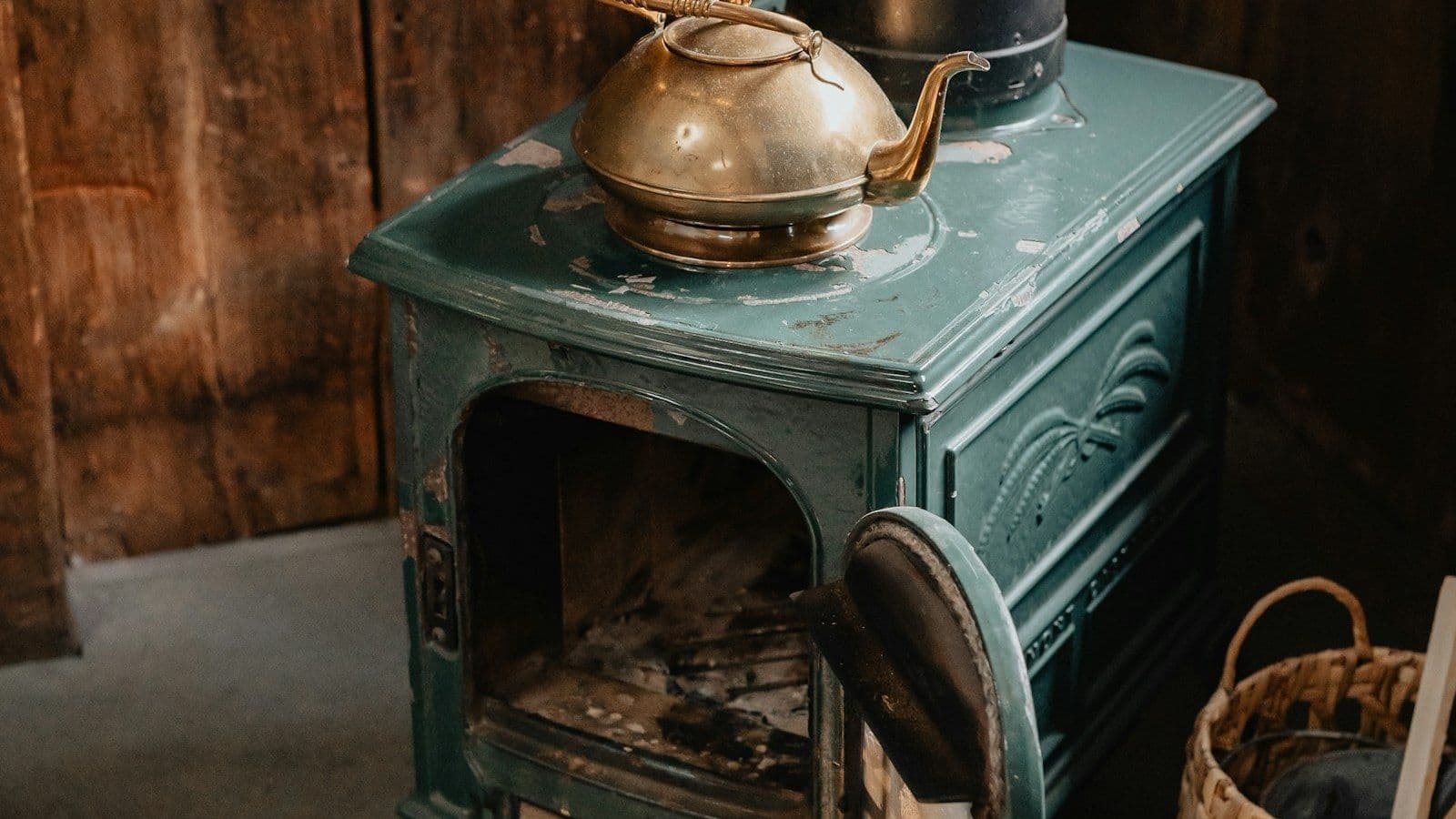
The kitchen was the end house of a terrace of four. The householder had money put by at last and was frightened of the business, as people are of a thing they must live beside for twenty years. The flue was short and drew badly in an east wind.
The first setter was thorough and courteous. He measured the opening and went through the list from the top, oven sizes and boilers and the hot closet, every word true. He said he would not wish to influence her, it being her kitchen and her money. He left the list on the table and asked her to send word.
She thanked him warmly. She thought it over for five weeks, then had the old grate patched for one and eight.
The second setter asked three things before he opened the list at all. How many sat down to dinner. How often she baked. How the chimney drew in an east wind. Then he held a candle up into the flue, watched the flame lean, and turned the list face down.
Six of the nine, he said, were wrong for this kitchen. Four wanted a taller flue and would smoke her out every March. Two had a second oven that would stand cold six days in seven and be paid for in coal on the seventh. Of the three that fitted he would set the plain one with the side boiler: a short flue wastes a big fire, and the boiler puts hot water at the scullery tap. Then he said the thing that mattered most. If you fed eight, or baked for sale, I would tell you to have the larger. You do not, so I would not.
The range went in that week. What went round the terrace was not the price or the make. It was his reason, in her own mouth, over four garden walls all summer: a short flue wastes a big fire. By October three neighbours had sent for him, and one of them had the larger range, because she baked for the chapel.
Be fair to the first setter, who was neither idle nor dishonest, and had been taught that a customer's money is the customer's business. He was also keeping himself safe, for a man who names a range can be blamed for it in February and a man who lays out nine cannot. What he intended as respect arrived as a shrug.
The Lesson, Since You've Earned It
A customer who cannot judge your trade is not weighing your options, he is waiting to be told which one you would have. He will not say so. He will take the list, thank you, go quiet, and you will put the loss down to his finances.
Begin with what he fears. It is not paying four pounds where six would have done. It is being wrong about a thing he must look at every day afterwards and explain to whoever shares the house. A list does nothing to that fear; it feeds it. I stand by the letter here on giving a customer something to choose between, but a choice set down and left there is half a piece of work. The other half is naming the one you would have.
Consider how silence is heard. Withheld judgement is read in one of two ways, neither of them yours: either you have no opinion worth holding, or you do not much mind what happens in his house. Neither buys a range. And he will seldom admit he cannot tell one oven from another, a difficulty I have written on, on making it safe not to know.
A recommendation is worth something precisely because it can be wrong. You stake a piece of your name on his chimney and take a share of the risk off him, and that transfer is the article he came for. Its force lies in the grounds, not the confidence: this one, because your flue is short and you bake twice a week. Facts about his house, two of them. Grounds do two jobs praise cannot. They make the thing a judgement rather than a preference, which is why he believes it, and they give him words to repeat to whoever must be satisfied and was not in the room.
Nine good things are nine ways of being wrong, and nine comparisons he cannot make. A recommendation leaves him one question, whether he trusts the man in his kitchen, which he is well equipped to answer. And who are you to decide for him? You are not deciding. You are declaring, and he stays free to take the dearer one or none at all.
Two cautions. First, your recommendation is spent the moment it serves you rather than him. If the one you name is always the dearest it becomes a sales line, and a town compares notes. Name the cheaper one when it is right, and you will be believed on the day you name the dearest. Second, do not recommend before you have grounds. A guess in a tradesman's coat is still a guess, and the customer ill served by one will remember precisely who chose.
Three questions, and the first wants doing before the week is out:
- When a customer last asked what you would do, what did you say? If it was that they are all good, or that it depends what you want, you handed the decision back to the one man who could not make it.
- Which of the things you offer is wrong for most of the people you show it to? It may deserve to exist for the few it suits. It does not deserve a place on the first page.
- Where in your written estimate does your recommendation appear? Said in a hallway it lasts an hour. The paper is read out at the kitchen table on a Sunday, and should carry the sentence and the facts behind it.
The Answer to the Riddle
By October one of them had been sent for by three neighbours. Which, and why?
The second, and not because he was the better setter of ranges, which he was not. He gave her what no list could, a judgement about her own chimney with the reasons attached. It let her buy in a week instead of thinking for five, and the reasons went over the garden wall, where a printed sheet could not follow.
The verse:
Nine good things set out on a table
Are nine ways for a man to be wrong.
Name the one you would have, and the reason,
And the reason will carry it along.
Until next time. Go and add one line to the next estimate you send: which option you would have, and the two facts deciding it.
The Best Time for Trying was Yesterday...
Ben B. Tilley
P.S. Mind the grammar of it. I recommend is the language of a man drafting his defence. I would have this one puts you in the kitchen beside him, and is the form he can repeat without alteration. When you truly cannot say which, do not retreat into the list: tell him what you would need to know, and go and find it.
Also in the archive: Three Gates, The Ironmonger's Second Question and Never the Finest Black.