
Dear friend,
The riddle first, as the tradition demands. Back in the old town a trade was reckoned up at Michaelmas, and the way a man did his reckoning decided what he knew about his own business for the twelve months after.
Two millers in one town, the same stones and the same fall of water.
Both took the same toll of a sack, and both ground from first light until the light went.
Both put the same weight of corn through the hopper across the year.
One of them, at Michaelmas, added his book up by the sack.
The other added the very same book up by the name.
By Lady Day one of them was the better off. Which, and why?
Hold your answer. Story time.
The Story
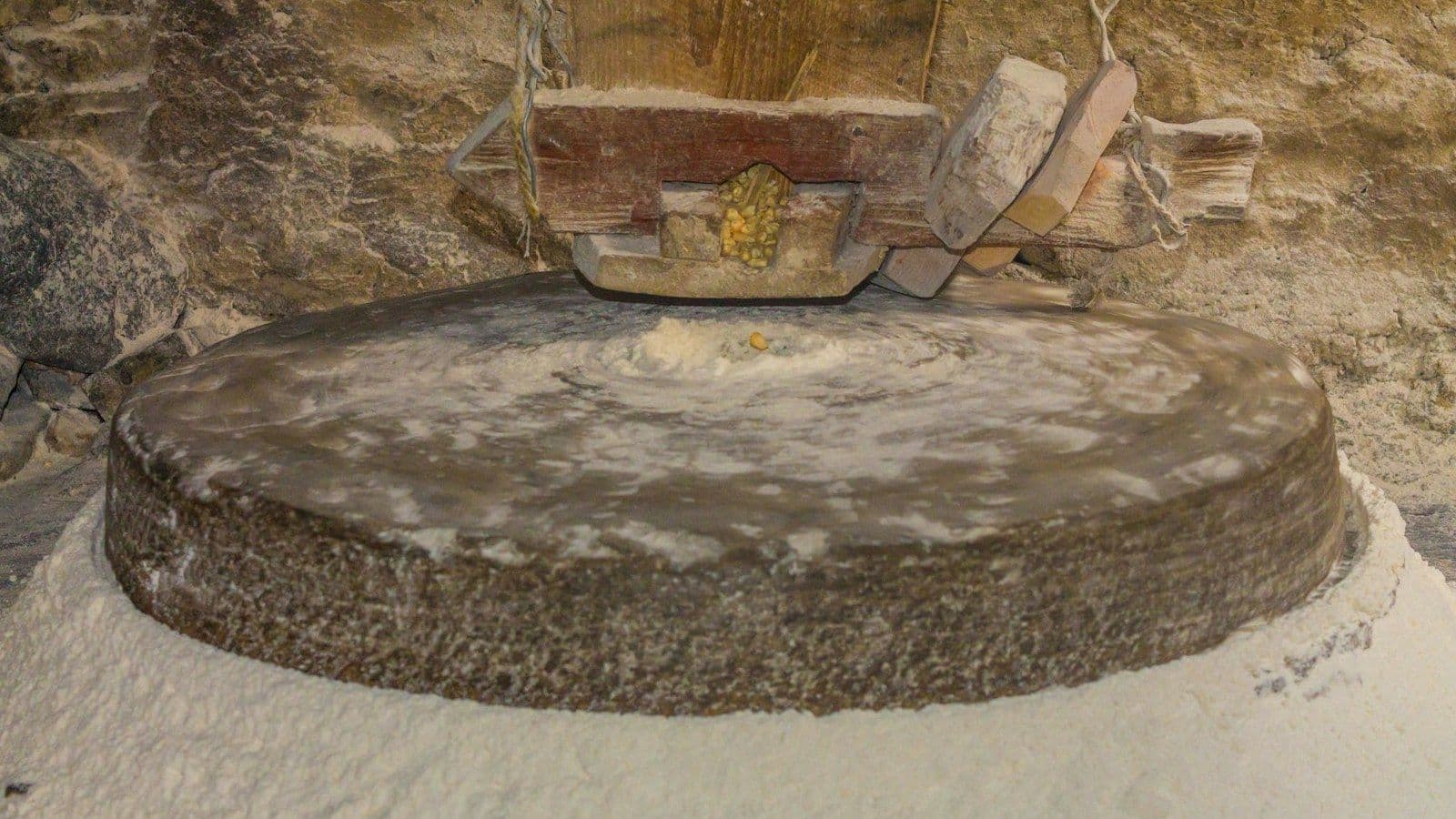
Two millers, in the town I have never named. Both had a pair of French stones and a wheel the river turned nine months of the year. Both took the same toll, so much the sack, and a trifle more for flour dressed fine. Both were honest about weight, which in that trade is not to be assumed, and both ground for the same dozen farmers, three bakers and a dairy wanting bean meal.
At Michaelmas the first miller did his accounts the way his father had. He added up the sacks. Eleven hundred and forty through the hopper, at the toll he charged, less the taxes and the lad's wages. The figure was thinner than it should be. He knew his year to the penny and knew nothing whatever about it, and supposed trade was harder than it had been, which is what a man supposes when his book is ruled the wrong way.
The second miller had a wet fortnight in October with the river too high to grind, so he sat over the wheel pit and ruled a sheet by name instead of by date. Twenty-two names, and against each the sacks. Then he did the thing nobody does. He put down the hours each name had taken out of him beyond the grinding: the journeys, the waiting about, the weighings done twice over, the weeks he had waited for his money.
The sheet told him what he could never have seen from the doorway. The biggest name in his book was a baker on the market side who took near a fifth of all the sacks. That baker sent a boy with one sack, five mornings a week, so the stones were stopped and set for fine dressing five times instead of once, and settled at quarter day, so the miller carried him eleven weeks at a stretch. Reckoned by the sack he was the best customer in the town. Reckoned by the name he earned less than a farmer three miles out who sent four loads a year and paid on the nail.
The miller did not strike the name out. He wrote the baker a letter, and in it he put a reason, a date and a choice. From the first of December there were two tolls. The old toll stood for flour taken four sacks together on the Thursday round and settled inside fourteen days. For the single sack, dressed fine and settled at quarter day, the toll was a penny halfpenny more, because that is what the stopping and setting and waiting cost him.
The baker grumbled a fortnight and took the Thursday, which gave the miller back five mornings a week. One smaller name went elsewhere and was not missed. Both men ground about the same corn that year, and only one had anything to show for it.
The Lesson, Since You've Earned It
A price is set by the job, but profit arrives by the customer. You rule your price card against work: the sack, the hour, the yard. A good part of your cost is caused not by the work at all, but by the habits each customer has of buying from you.
Think what a habit costs and never appears on an invoice. The journey for a job that would have fitted next Thursday's round. The three reminders before the money comes. Two customers can buy the identical thing at the identical price, and one leaves you half as much. Your price card cannot see it, because the difference is not in the thing.
This is why a trade can be busy and poor at once. The explanation sits in your day book with a name on it, invisible while you rule the book by date, in the same way that the days nobody pays you for become real only when you give them a column of their own.
When a man finds such a name he reaches for one of two doors. He carries the customer in silence, and the resentment leaks into rushed work for everybody else. Or he sacks him, which feels decisive and throws away a fifth of his turnover in a temper. There is a third door, marked price, and it asks the customer a fair question: is the way you prefer to buy worth what it costs to supply.
Put it to him with a reason, a date, and the old price still open on better terms, as you would announce any rise, and three things can happen. He pays, and you are paid at last for a habit you were subsidising. He changes the habit to keep the old figure, which is the commonest outcome and the best, since you wanted the mornings more than the pennies. Or he goes, and the hours come back to you.
Two cautions. The figures must be measured and not felt, so keep a tally for a month against each name: the customer who irritates you is often not the one costing you most, and the expensive one is usually quiet, pleasant and ordering eleven small things a month. The second is that the cost of serving a man is not the whole of his worth: one who sends you two enquiries a year, or fills the dead week in February, is buying his low margin honestly.
Three questions, for the week in front of you:
- Which five names took the most of my hours last month, and what did each pay me? Count travel, waiting, handling and the chasing of money as hours, because they are. Look for the name large in one column and small in the other.
- What does my biggest customer by volume cost me that my price card never mentions? Write his habits out one by one: order size, frequency, notice given, changes made, days taken to pay. That list is what he is buying.
- What would I quote if he walked in tomorrow as a stranger with those habits? Say the figure out loud. The gap between it and what he pays is the price of your politeness.
The Answer to the Riddle
Both millers put the same weight of corn through the hopper, and one was the better off by Lady Day. Which, and why?
The second, and not because he ground any faster. Added up by the sack, a book tells you only what you sold, and every customer looks the shape of his tonnage. Added up by the name, it tells you what each one cost, and the largest name proved the thinnest. The first miller believed trade had got harder. The second found which names had got dearer, priced the reason, and let them choose.
The verse:
Rule the book by date and the year will tell you lies,
For the heaviest of customers is seldom the best prize.
Rule it by the name, and the thin ones come to light,
Then price the way they buy from you, and let them choose it right.
Until next time. Go and rule a sheet of paper by name, not date, and put last month's hours against each one.
The Best Time for Trying was Yesterday...
Ben B. Tilley
P.S. The same sheet finds the opposite man, and he is the better discovery: the customer who orders in sensible quantities, gives notice and pays before you ask. By the sack he is unremarkable, which is why you have never thanked him. Go and see him first.
Also in the archive: Twopence and Half a Mile, The Prices Nobody Argued With and The Nineteen Yards.