
Dear friend,
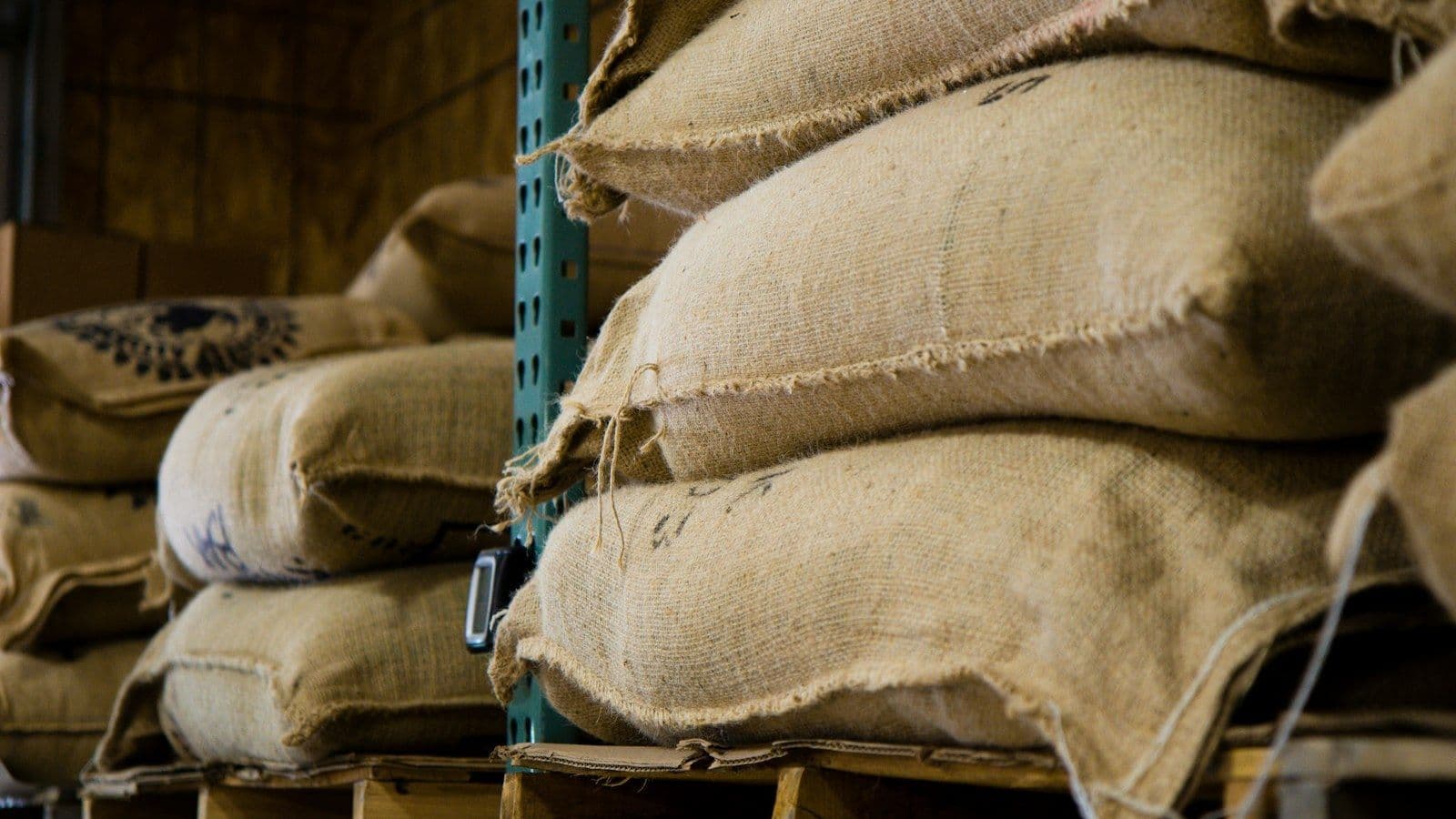
The riddle first, as the tradition demands. Back in the old town, two men set up in the same spring sewing sacks, with the same jute off the same wharf.
Two sack makers, the same jute, the same twine, the same long needle,
The same price by the dozen and the same stencil brush for the name.
One spent the year telling the whole county that he made sacks.
One spent it learning nineteen yards by heart.
By harvest one had sold to a hundred and forty men and one to eleven.
Which of them had the better year, and what was it he had counted?
Hold your answer. Story time.
The Story
Two sack makers in the town I've never named, both starting in the same March, and their work, in the old chorus, was equally good. The jute came up from the wharf in bales that smelled of tar and hot rope. Both stitched a double seam at the corners, both stencilled the buyer's name across the sack in black, and both charged nine shillings the dozen.
The first man set about being known. He had handbills printed and took them to every market town in the county, four markets a week through the spring, and paid for a notice in the county paper that ran all summer. It worked, in the way such work does. By harvest a hundred and forty men had bought sacks of him, in ones and twos, a smallholder wanting eight for his oats, a carrier a dozen mended. He had a drawer of cards and a tired horse.
The second man did something a good deal less impressive to watch. On an evening in February, before either had sewn a stitch, he wrote out every mill, malting, seed merchant and corn factor within a day of his cart. There were nineteen. He ruled the sheet into columns and filled them in over the following months: how many sacks each got through in a season, who supplied them now, which month they ordered in, and the name of the man who actually did the ordering, which was almost never the man on the gate.
He found this out by standing about. Market days he spent at the weighbridge listening to carters complain, and learned that the mill above the bridge lost sacks to split corners because the loaders dropped them off the tailboard. Twice a year he called on each of the nineteen with something in his hand and nothing to ask for: the price of jute at the docks on a slip of paper, a torn sack mended and returned without charge, once a sack sewn with the corner doubled so the foreman could throw it about the yard and see for himself.
In his first year he took orders from three of the nineteen. By the second harvest he had eleven, and each of the eleven bought three hundred sacks a season, and bought again the season after.
Be fair to the first man. He did the thing trade respects, and did it in the rain. But a farmer's sacks last him four years, so a hundred and forty men who buy nine apiece once are a hundred and forty conversations to be had again next spring with somebody new. He had spent a hard year in front of people with no second order in them.
The Lesson, Since You've Earned It
The customers worth having can nearly always be counted, and anything that can be counted can be chosen. The second sack maker did not find a better market than the first. They stood in the same county. He established, on one sheet of paper, that the trade he wanted consisted of nineteen doors, and after that he was never in any doubt about where to spend a Tuesday.
The mechanism is arithmetic before it is anything else. Spread your year across a whole county and you may spend a farthing of attention on each person in it, which is indistinguishable from a handbill in a hedge. Spread the same year across nineteen names and you may spend a great deal on each: four visits, two useful slips of paper, a mended sack, a foreman's name remembered. Effort per name is what persuades, and it is settled by how many names you allow onto the list. Most trades never settle it, so it is settled for them by whoever answers the advertisement.
There is a second thing at work, slower and worth more. Nobody needs you in the week you arrive. They need you in the week their present supplier lets them down, and that week is not in your gift. A short list buys the certainty of standing there when it comes, already known and already trusted with small things. The nineteen did not come over because he argued better. They came over because when the corner split, the man whose corners did not split was somebody they had shaken hands with four times. It is why the number of customers a small trade requires is so often a startlingly small number.
Two cautions. First, a list of people you have no means of reaching is not a list, it is a wish. The nineteen were chosen because a cart could get to them before dinner, not because they were the grandest names in the directory. If the customers you want and the customers you can stand in front of are not the same set, the first job is to earn your way into the room. Second, courting is not besieging. A man who appears four times a year with his hat in his hand and his order book open is a man the yard learns to be out for. Watch the proportion of your appearances that are asks.
Three questions, and the first wants nothing but an evening and a sheet of paper:
- How many customers of the sort you actually want exist within your reach, and did you count them or guess? Nearly everyone guesses, and guesses a number with the word thousands in it, because a vague market feels safer than a countable one. Count. If it comes out at nineteen, or forty, or two hundred, you have been handed the plan for your year.
- Could you write their names down tonight? If you could not, your first month's work is not persuading anybody of anything. It is finding out who they are, who supplies them now, and when they order.
- What may you spend on each one in a year? Take the money and the hours you give to getting work and divide them by the count. What comes out is generally large enough to allow something far better than an advertisement.
The Answer to the Riddle
Which of them had the better year, and what was it he had counted?
The second, and not narrowly. Eleven yards at three hundred sacks a season is three thousand three hundred sacks, against a hundred and forty men buying nine apiece and not coming back until the reign of the next king. What he had counted was his market, and having found it to be nineteen he could afford to treat each of them as most trades can afford to treat nobody at all. The first man was not beaten by a better sack. He was beaten by a sheet of paper ruled into columns in February.
The verse:
One took his handbills to the four markets of the shire,
One took a sheet of paper and he wrote down nineteen names.
The shire gave back a drawer of cards and a horse worn to the bone,
The sheet gave back eleven yards that ordered every year.
Until next time. Go and write down tonight the twenty customers you would most like to have, and against each the name of whoever supplies them now.
The Best Time for Marketing was Yesterday...
Ben B. Tilley
P.S. The sheet proved worth more than any order on it. Because the nineteen were written down, he noticed in the third year that four had begun buying from a man in the next county, within a month rather than a season. A list you keep is also an alarm, and the trades most surprised by a loss are the ones never quite sure who they had.
Also in the archive: The Well on the Ridge, The Thirty Who Pay the Rent and The Round He Would Not Widen.