
Dear friend,
The riddle first, as the tradition demands. Back in the old town a farmhouse was never wrong in one place only, and the man of the house could seldom afford to put right more than one fault in a year.
Two jobbing builders in one town, the same lime and the same second-hand slate.
Both were called to a farmhouse with eleven pounds in the house and a good deal wrong with it.
Both priced the scullery roof at seven pounds, and both did that work well.
One was paid, thanked warmly, and never sent for again.
Same trade, same figures, the same farmer and the same wet autumn.
What did the other one leave behind him on the kitchen table?
Hold your answer. Story time.
The Story
Two jobbing builders in the town I have never named. Both worked alone with a labourer in the busy months, both mixed their own lime, both bought off the same slate yard. Seven pounds to strip and re-lay a scullery roof of eleven feet by nine, new battens, the sound slates kept back.
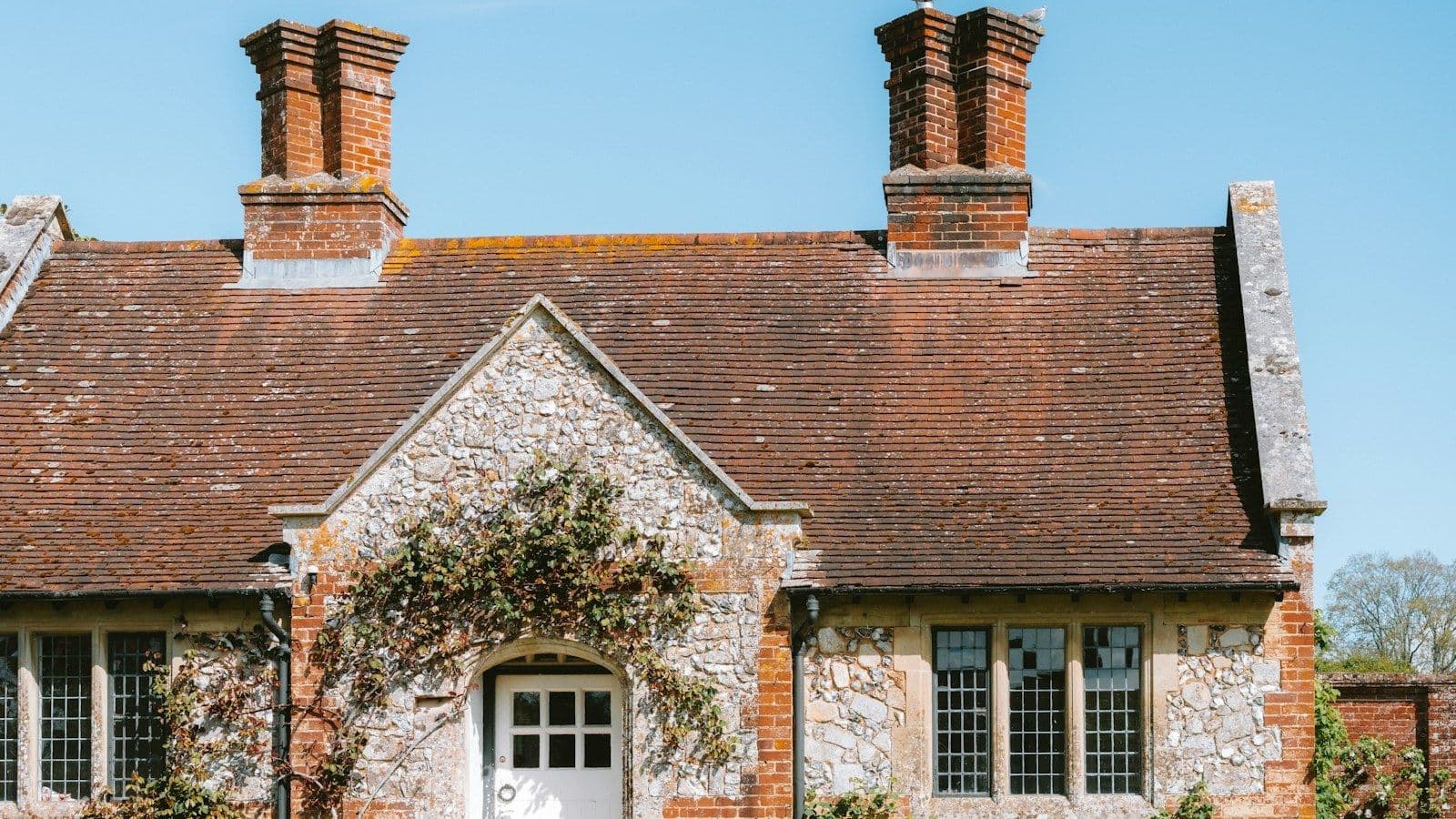
The farmhouse was in the usual condition of farmhouses. Water had been coming through the scullery ceiling for a year and had left a stain below it shaped like a county. The pointing on the weather gable had perished to sand, the kitchen chimney leaned out of true by an inch, and a window sill on the north side had gone soft. The farmer had eleven pounds to spend before the rent fell due, and he had spent the autumn deciding which of the four was the one.
The first builder went up the ladder, came down, and said seven pounds for the scullery. Four days, rubbish cleared, money on the Friday, thanked properly, and the ceiling stayed dry all winter. He had answered the question he was asked, and nothing in his conduct would strike you as a mistake.
The second builder came the following week and gave the same figure. Then he asked whether he might walk round the outside for a quarter of an hour with his note-book, and he put his thumb in the gable, stood back from the chimney and knelt at the sill, saying nothing much beyond that the scullery was the right job to do first.
That evening he wrote out one sheet of paper: the whole of the farmhouse, in the order he would do it if it were his own. The scullery roof, this autumn, seven pounds. The gable pointing, next summer in a dry fortnight, five pounds ten, raked out and done in a stronger mortar than the sand that was in it. The chimney, the summer after that, nine pounds to rebuild the top eight courses. The window sill, whenever there was a bench set up anyway, about twelve shillings.
Underneath he wrote the reason for that order. The water goes first because it is the only one of the four getting worse every week it is left. The gable next, because driven wet is what is turning the chimney mortar to sand. The chimney has leaned an inch in forty years and will take another forty over the next one, so it can wait, and the one thing that would move it to the front is mortar dropping into the grate. The sill ought to wait for a day when he is there anyway, half the cost of a small job being the getting there. At the foot he wrote that these were that autumn's figures, and that lime and slate do not stand still.
Then he left the sheet on the dresser.
The farmer had the scullery done, at seven pounds, to much the same standard. In the June of the following year he wrote about the gable, having got the sheet down from behind the clock. Two summers later the chimney came down and went back up, and the sill was done on the morning the scaffold was struck. In those three years he asked nobody else for a price, and he would have told you he had no particular loyalty in the matter. He had a paper that told him what the next job was, and nobody else had offered him one.
Be fair to the first builder. His slating was a shade the better of the two, he was prompt and clean, and he did not price high. His whole error, if you can call it that, was to treat an enquiry about a scullery as a job about a scullery.
The Lesson, Since You've Earned It
A customer who cannot afford the whole of the work can still take possession of the order in which it ought to be done, and the man who writes that order down is usually the man who does the rest of it. When the gable comes round he is not choosing between you and a rival. He is reading the only document in the house that has an opinion.
Begin with what the eleven pounds meant. It did not mean the farmer had decided against the gable. He had decided nothing about the gable at all, because nobody had put it to him in a form he could keep and act on in a different year. A trade that asks only what a customer can spend today hears a small answer and concludes it is dealing with a small customer. That is a different thing from designing the work to the money he has this year, and different again from offering a smaller piece of the work instead of a smaller price. Both of those settle the present order. Neither settles the next three.
Then consider what you are chiefly selling, which is judgement. Any competent man in your trade can lay that scullery roof. What the householder cannot do is put four faults in the right order and say why. People repair what they can see rather than what is doing the harm, which is how a parish fills up with beautifully pointed gables sitting over wet ceilings. The order of the work is the most valuable thing you know and the cheapest thing you can give away, and until it is written down it leaves the house in your head when you go.
Note what the sheet does to the habit of getting three prices. When the gable comes due, the respectable course is to ask three builders. Your sheet makes that feel less like prudence and more like undoing a decision the man has already taken, in his own kitchen, for his own reasons. That is no trick, since the decision really was his and he can tear the paper up. It is only that a plan in the hand is a thing people would rather continue than replace.
It leaves you, besides, with a welcome reason to write next spring. Not a nag. A sentence saying the dry fortnight the gable wanted is here, and you are in that parish on the Tuesday.
Two cautions. The sheet must be what you would do if the building were yours, which means it has to include the thing that needs nothing done to it. A plan that recommends everything recommends nothing, and a householder can smell a bill of extractions at thirty paces. Say plainly that the chimney, the most frightening item on the place, is the least urgent. The other caution is not to turn the plan into a lever. Do not price the first job thin in the expectation of the rest, do not ask him to agree to the sequence, and do not put dates against the later items as though they were bookings. Some will only ever buy the scullery, and that work must stand on its own arithmetic.
Three questions, for the week in front of you:
- What did I see at my last five jobs that I never wrote down? Every trade notices faults it was not called for and mentions them from the top of a ladder. Spoken from a ladder, that intelligence has a life of about a day.
- In what order would I do it if it were mine, and why that order? One line of reason against each item. Without the reasons you have a list of work rather than a plan, and a list is what your rival can write too.
- What is today's figure against each, and what does another year cost? Not a threat, a fact: pointing at five pounds ten this summer is the same pointing at nine pounds once the wet is behind it, and a customer is entitled to know which repairs are on a clock.
The Answer to the Riddle
What did the other one leave behind him on the kitchen table?
One sheet of paper with the whole of the farmhouse written on it, in the order the work ought to be done, a figure against each item and a line of reason for the order. He left his judgement in a form that could be kept.
The first builder left a dry scullery, which is a good thing to leave, and nothing else. Three years on, the farmer could not have told you his name.
The verse:
One mended what the water spoiled,
was paid, and shut the door;
one left the order on the sheet
and came back twice for more.
Until next time. Go and write out, for one customer you have worked for this month, the two or three things you noticed and never priced, in the order you would do them if the place were yours, and post it to him today.
The Best Time for Trying was Yesterday...
Ben B. Tilley
P.S. If you sell to firms rather than to farmhouses, it is the same sheet and the faults are simply somebody else's. A business that asks you to put one thing right nearly always has three others in the same condition and no notion which of them is doing the damage. Write them out in the order you would mend them, with a reason against each and the one that can be left alone, and you will have written the most persuasive document of your year without asking for the work at all.
Also in the archive: The Second Rung, April and October and One Man to Ask.