
Dear friend,
The riddle first, as the tradition demands. Back in the old town two men spent the same money at the same printer in the same week, and one spent a further morning in the wet, looking into ditches.
Two coopers in one town, the same seasoned oak and the same yard of staves.
Both paid the same printer for five hundred handbills in the same March.
Both paid the same lad three shillings to carry them round the outlying farms.
One of them walked four miles of lane the morning after and looked under the hedges.
Same bills, same lad, same farms, and only one of them ordered a second five hundred.
Which of the two found out what his advertising had actually done?
Hold your answer. Story time.
The Story
Two coopers in the town I have never named. Firkins for butter, kilderkins for the autumn cider, and both men able to raise a cask that stood up dry for twenty years. March is the month to be in a farmer's mind, the milk coming on and the dairy wanting vessels, so both bought five hundred handbills at six shillings the lot. Plain bills, well enough written. Both then paid the carrier's lad three shillings to walk them round the outlying farms, those being scattered and a cooper's own legs wanted in his yard.
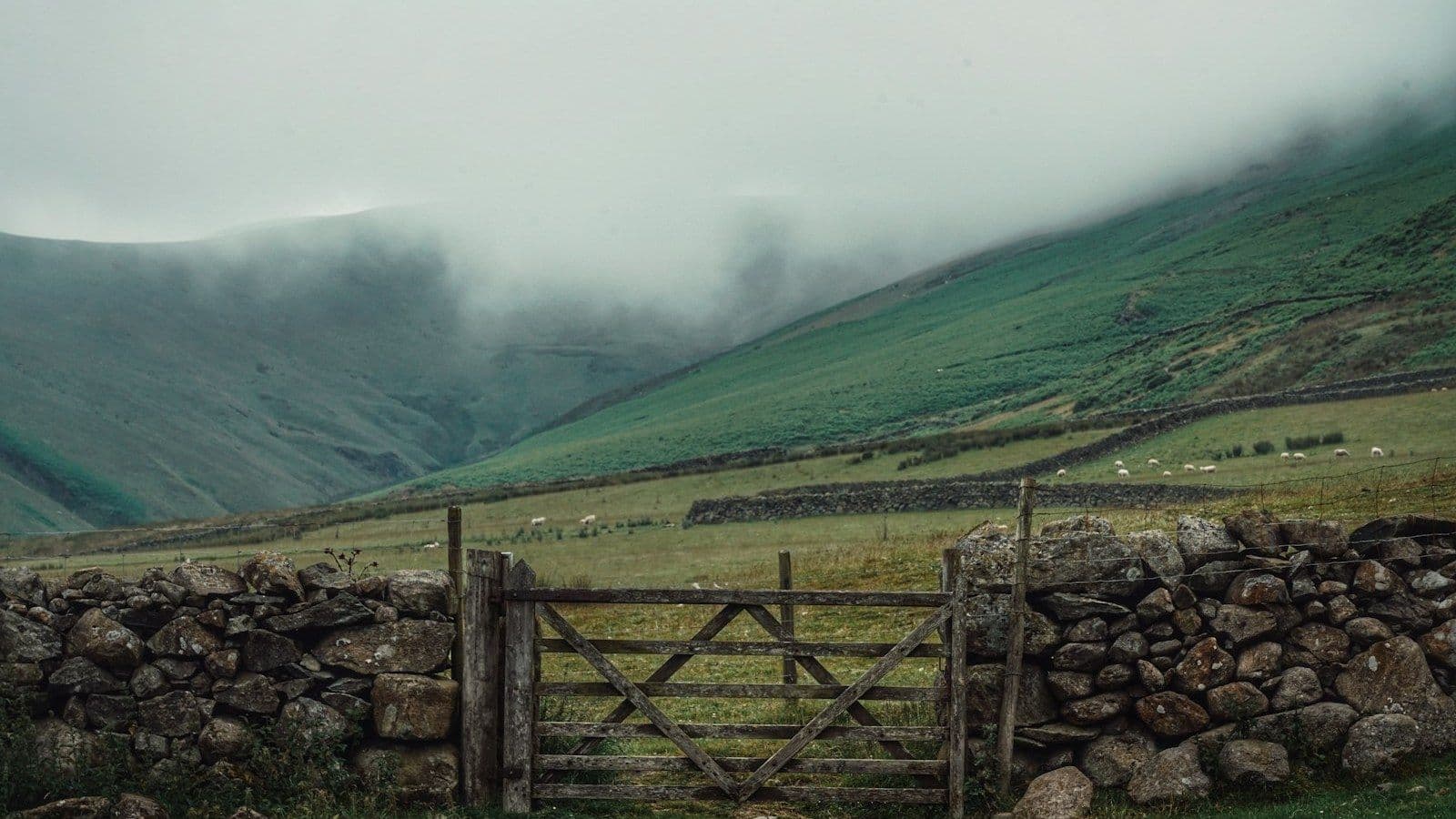
The first cooper walked out next morning, and not from suspicion. He wanted to know whether a bill nailed to a gatepost would survive a wet night, which is what a man wonders when he has just spent six shillings on paper. He got his answer about the rain, and one he had not gone looking for, in the hedge below the top lane a mile out, where a wad of bills had been pushed under the thorn and left. A hundred and sixty-one, still in the printer's string.
Nearer in they had arrived, on dairy doors and in porches, one weighted with a stone on a milk stand, which is a farmer telling you he means to come back to it. The lad had not been idle. He had done the near farms, then faced the long pull up the top lane with four pounds of paper and three shillings already in his pocket.
The cooper said nothing accusing. He wrote the farms out instead, by name, forty-one of them, and told the lad he would have a penny a farm on that list, the money due when he reported which he had done. Then he turned the same eye on his other advertisements, and found his market house bill behind three newer ones and his notice at the inn on the stretch of wall the door covered when open, which in fine weather was all day. The second five hundred brought eleven orders.
The second cooper judged by results, as a sensible man does. Five hundred bills, three enquiries, nine shillings gone, and handbills plainly did not pay in a farming parish. Being conscientious he tried twice more, rewriting the bill each time, putting the price in, taking it out, adding a line about his father, carefully improving a message that a hundred and sixty-one farms were never shown. There is nothing lazy in any of that, and he was wrong for two years.
The Lesson, Since You've Earned It
You have not tested your advertising until you can prove it reached a human eye. Until then you have tested something, but you do not know what, and you will blame the wrong link.
A message can die in three places. In the writing, where a dull line is passed over. In the delivery, between your hand and the householder's. Or in the reading, where a man takes it in and does nothing, which is a verdict and a useful one. Only the first is in front of you when you sit down with a pen, so the first is where you spend every hour, and it is where the trouble is least often found.
The error lasts for years because results arrive whole. Three enquiries from five hundred bills is one number, and a verdict on the whole chain, undivided. It cannot say whether five hundred people read a poor bill or three hundred and thirty-nine read a good one. Both give the same figure and point in opposite directions, and a man holding it must guess. He will guess the words, because the words are the part he made.
Delivery, meanwhile, is dull, cheap, and done by somebody with nothing at stake. That is no slur on the lad but a note on how he was paid. Three shillings for the batch buys the handing over and not the arriving, and a boy with four pounds of paper and a long wet hill before him has every incentive the arrangement contains. A penny a farm against a list of names turns that round. The same holds for every dull mechanism you hired and have not looked at since: the notice shown to a fraction of those who asked to hear from you, the letter in a folder nobody opens, the card behind three newer ones.
So do not rewrite a word until you have been to look. Stand where the thing is supposed to be and see it as a stranger would, in the weather and light he has. Then make the message prove itself: the bill brought in for something, the paper of a different colour that says which batch it came from, the question at the counter that cannot be answered out of politeness. Once you have proof it arrived, believe what the till tells you, because the till has no opinions.
Two cautions. This is a way of checking work and not of suspecting people. Almost every failure of delivery is dull mechanics rather than dishonesty, so ask for the list and never for a man's character. The greater danger is the excuse. It was never seen is the most comfortable sentence in trade, and a man who finds it true once will reach for it for life. Verify, then believe. A message proved delivered and still silent must change, and every week spent blaming the hedge keeps a bad bill in circulation.
Three questions, for the week in front of you:
- Where is my advertising supposed to be at this moment? Write the places out, the ones arranged two years ago included, then look at three of them today with your own eyes.
- What am I paying for, the handing over or the arriving? Look at what the money rewards, then change it: by the street, by the farm, against a list of names, due after rather than before.
- If this failed, at which of the three did it fail? Writing, delivery or reading. If you cannot tell them apart from what you have, the next thing to buy is not better words but a way of telling.
The Answer to the Riddle
Which of the two found out what his advertising had actually done?
The first, and it cost him a morning in the wet. Both got back less than they hoped. One took that as a report on his writing and set about mending the only part he could see. The other stood in the lane and learned that a third of his advertising had never been published at all. No figure could have told him so, and no rewriting would have mended it.
The verse:
You blame the words, you change the words,
you set them up again,
but words that never reached an eye
have never told you plain.
Until next time. Go and stand where one of your advertisements is supposed to be, and count what you find.
The Best Time for Trying was Yesterday...
Ben B. Tilley
P.S. Check delivery while a thing goes well, because no channel stops all at once. The lad is thorough in April and tired by July. The list goes stale a name at a time. The notice stays on the wall and the wall ends up behind a new door. What you see is a market going slowly cold, and the usual answer to that is more money pushed into the same hedge.
Also in the archive: The Sign Nobody Read, Under the Wrong Heading and Sixty-One at the Stall.