
Dear friend,
The riddle first, as the tradition demands. Back in the old town a man was held to have settled a thing once he had said it out loud at his own table. The saying felt like the doing and cost him nothing, which is why some men said the same thing every January for nine years.
Two chairmakers in the old town, the same beech and the same pole lathe.
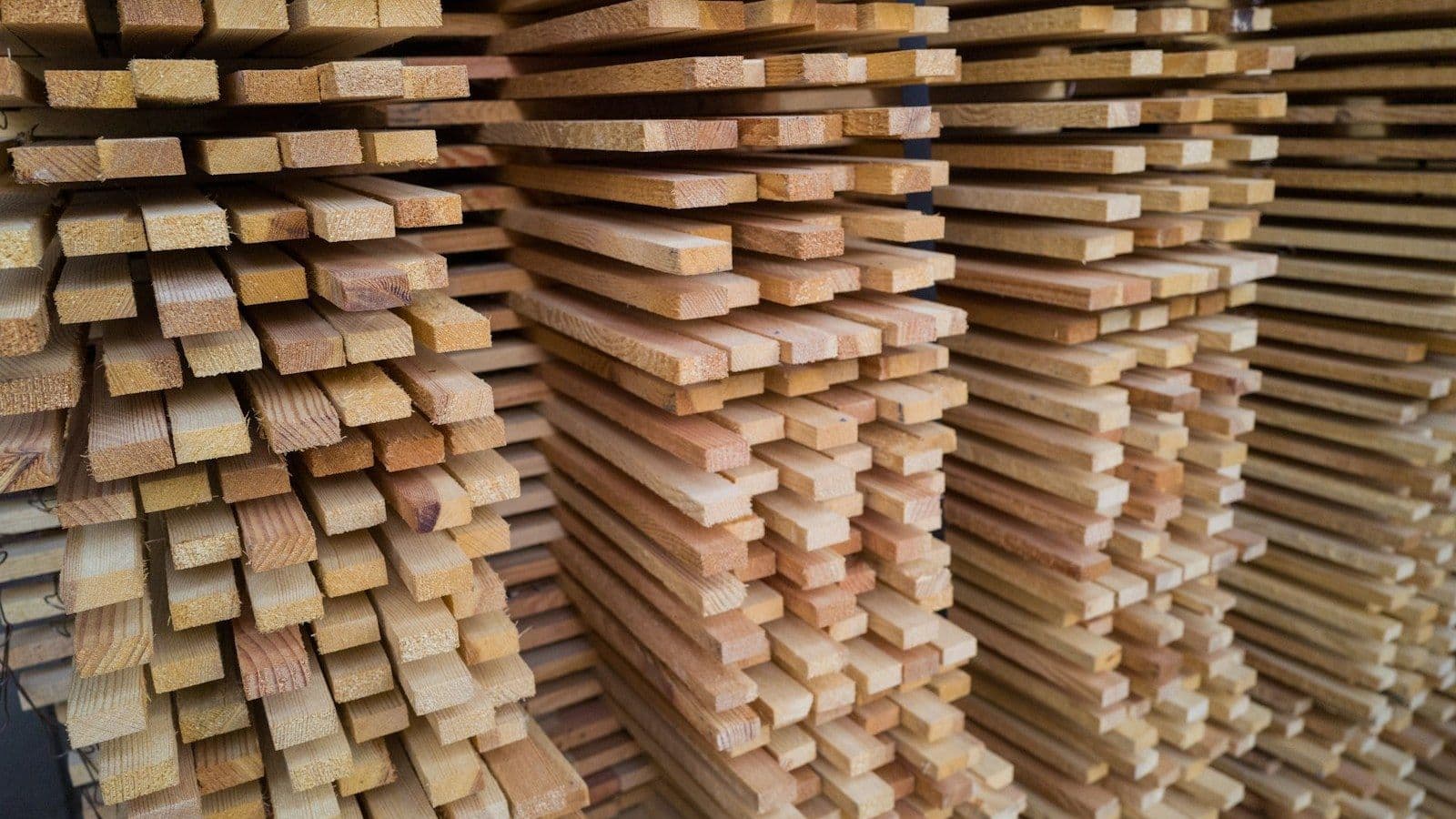
Both agreed in the first week of January that their chairs went together too green, and that what they wanted was a loft to season timber in.
Both were right, both could afford it, both meant it.
One spent the rest of that week pulling down the old sty against his yard wall.
One settled the question again in February, and again in May, and again in August.
Same trade, same January, same decision. Which of the two had made it?
Hold your answer. Story time.
The Story
Two chairmakers in the town I've never named, both working beech, both turning legs and stretchers on a pole lathe, both selling plain rush-seated chairs by the half dozen to farmhouses and to the two inns. They bought at the same timber yard and bought the same way, a few billets whenever an order came in, which is to say green wood, cut that season.
Both knew what that meant. A chair built of wood still giving up its water comes back in the second winter with the joints slack, and you mend it for nothing, and the farmer tells his neighbour the chairs are well enough but they want watching. In the same cold snap of that January, each man said much the same sentence to his wife: that what the trade wanted was a loft where two years of timber could stand and dry, and that this year he would have one.
The first chairmaker spent the Thursday of that week knocking down the old sty against his yard wall, which had held no pig for eleven years and a good deal of rubbish for nine. He carted the rubbish off and sent word to a sawyer for boards. He had built nothing. He had made a yard with a hole in it and nowhere to put the old nonsense back. The loft went up in March, crooked at one end, and he began buying timber he did not yet need, which felt foolish in April and looked like foresight by the next spring.
The second chairmaker meant it quite as sincerely, and had the better arithmetic besides, for he worked out what the loft would cost and what the timber standing in it would cost, and resolved to begin when the order book looked safer. In February he settled it a second time and fixed on the spring. In May he settled it again, with a drawing now, and a figure. In August, after a farmer brought back two chairs, he settled it with real heat, and told his wife so, and she said he had told her that in January.
He was neither idle nor a fool. By November he had spent five or six evenings on that loft, and every one of them ended in a decision, and every decision was the same decision, and he had at the end of them a drawing, a figure, and a yard with a sty in it. The difference between the two men that year was not resolve, nor money, nor sense. One had done a thing on the Thursday that could not be undone. The other had done nothing that could not be undone, and so, every few weeks, it undid itself.
The Lesson, Since You've Earned It
You have not made a decision until something has happened that you cannot take back. Everything before that is an opinion you are fond of, and an opinion can be held comfortably for years.
Consider what deciding gives you. It gives relief. The problem has been faced, the thinking done, a conclusion reached, and you go to bed lighter than you got up. That relief is the whole trouble, for it is paid on the deciding and not on the doing. You may draw it again next month at no cost, and a man will draw it a dozen times before he notices he has nothing to show for any of them. Doing pays no dividend at the time. It pays in rubbish to be carted and a hole where the sty was.
Consider also what becomes of a decision left in that state. It does not sit quietly. It goes out into the weather, where it meets a slow fortnight, a customer who pays late, and the reasonable thought that spring would be a better time to begin. None of those is an argument against the loft. They are conditions, and conditions are never clear, and a decision that waits on clear conditions is not waiting but declining slowly. The second chairmaker never once refused to build his loft, and never built it, and from the yard the two look the same.
An act you cannot take back works because it closes the question. The first man could not stand in his yard in April and weigh the loft against no loft, for there was no longer a yard with a sty in it to go back to. He could weigh only a half-finished job against a finished one, which is an easier question, and one that nearly finished work answers for you.
Two cautions. The step that cannot be taken back should be the smallest available and not the largest. Pulling down a disused sty costs an afternoon; ordering the timber for a whole loft costs a quarter's profit, and this is no letter in praise of plunging. Where the decision itself cannot be walked back, deliberate properly first, as the cost of being wrong deserves. The other caution is that announcing is not acting. What you tell your wife or your men can be unsaid in a sentence, and so can a drawing. Ask of any step whether the world would differ tomorrow morning if you changed your mind tonight. If it would not, you have prepared, which is pleasant, and decided nothing.
Three questions, for the week in front of you:
- Which decision have I now made more than once? Not the ones you are weighing. The ones you have settled, twice or oftener, and are settling still. Those are costing you evenings and returning nothing.
- What is the smallest part of it that cannot be undone? A deposit paid, a day booked with another man's name in it, a notice given, a thing cleared out so the old way has nowhere to live. One of those today is worth more than the fourth deciding.
- What am I waiting to know? Write the answer down. If it is a fact you could go and get this week, go and get it. If it is that things will be quieter or clearer, that is not information. That is weather, and you may wait on it for years.
The Answer to the Riddle
Same trade, same January, same decision. Which of the two had made it?
The one who pulled down the sty, and he had made it by the Thursday, with no loft, no boards and no plan drawn. The other had an intention, renewed four times at the price of an evening each, standing in August exactly where it stood in January. A thing you can still walk away from has not been decided. It has been considered, and considering will keep you busy for a lifetime and leave your yard as it was.
The verse:
A thing is not settled by saying it twice,
nor thrice, though you say it with heat.
It is settled the hour you have done some small part
that leaves you no road to retreat.
Until next time. Go and take the decision you have made more than once, and do today the one part of it that cannot be taken back.
The Best Time for Trying was Yesterday...
Ben B. Tilley
P.S. The rule runs the other way as well, and is less used there. If you have three times decided to stop something, a line of work, a standing obligation, a customer you keep calling more trouble than he is worth, that stopping is a decision too and comes undone just the same. Give the notice. Take the thing off the price list where customers can see it is gone.
Also in the archive: The Stool Under the Bench, Before the First Ladder and Nothing After the Sweeping.