
Dear friend,
The riddle first, as the tradition demands. Back in the old town, where two bell-hangers quoted the same house in the same week, and both were passed over for a cheaper man.
Two bell-hangers in one town, the same wire and cranks, the same shilling a pull.
Both walked the house on the hill and quoted for eleven rooms.
Both were passed over for a cheaper man, and neither said a hard word of it.
One drew his pen through the name in his book and turned the page.
One wrote six lines that evening, then wrote the name again against a date in November.
Why did one of them hang the bells in that house after all, and the other never hear of it again?
Hold your answer. Story time.
The Story
Two bell-hangers, in the town I have never named. Coils of wire on the shoulder and a bag of cranks and staples. Either could set a row of bells on their springs so that the cook could tell the morning room from the second bedroom with her back turned.
The house on the hill had changed hands in the spring and wanted the whole of it done over. Eleven rooms, a long run through the roof, brass pulls in the principal rooms, a board of bells in the kitchen passage. Both men walked it on the same Tuesday. One asked twenty-two pounds, the other twenty-one pounds ten. A third man, from the county town, asked eighteen and could start in a fortnight, and he got it.
The first man took it as a man ought to. He had been beaten on price by a bigger yard with cheaper hands, there was no profit in brooding, and a householder who has chosen is not to be pestered. He drew his pen through the name and went back to work, proud, and not wrongly, of never having made a nuisance of himself.
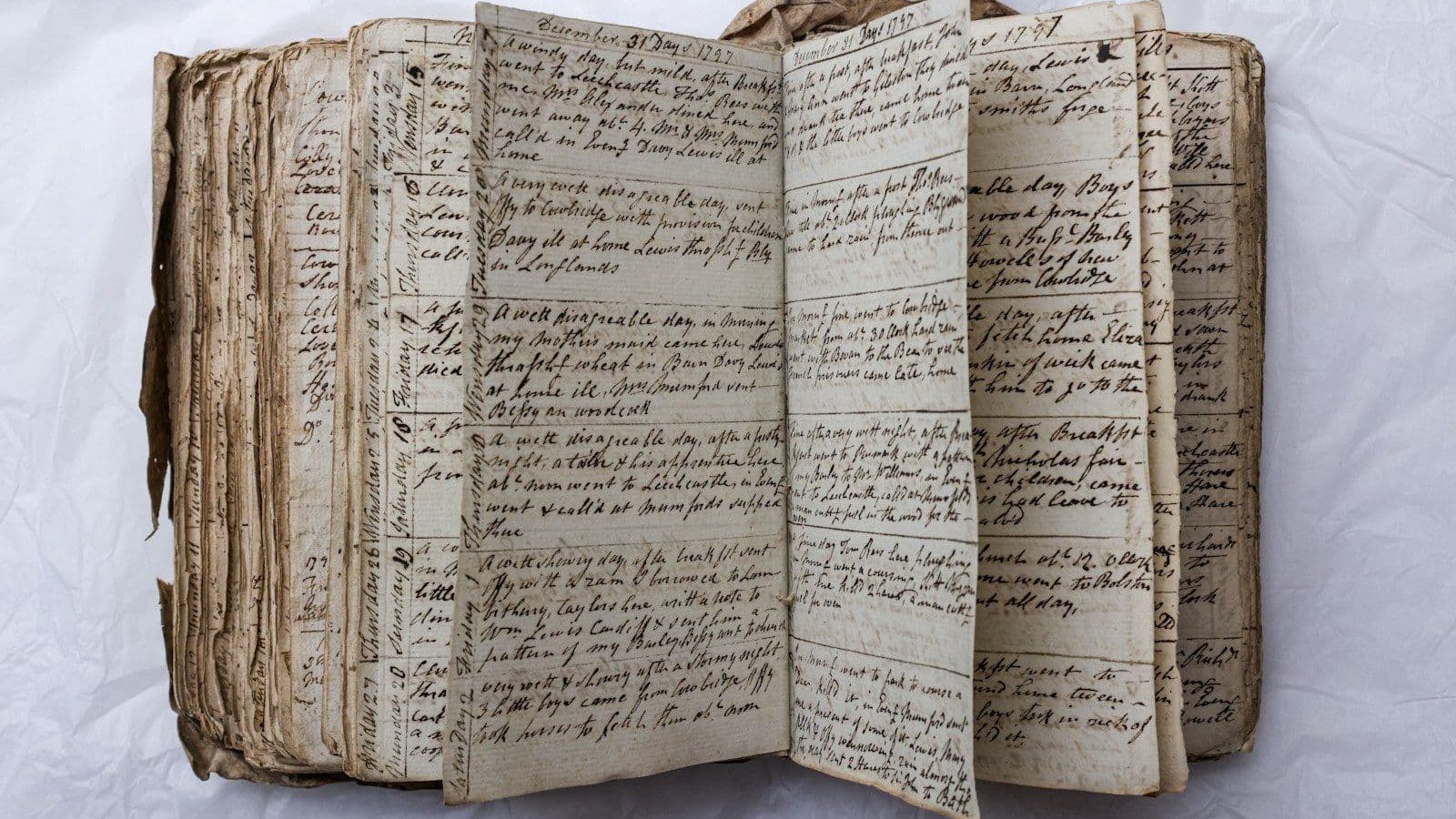
The second man wrote six lines that evening. He thanked them for the sight of the house, said once and without weight that he was sorry not to be doing it, and gave away the one thing he had noticed and would now not be paid for: above the back stairs the run must turn twice within a yard, and that corner wants a brass pulley let into the timber rather than a staple, or the two end bedrooms will go dead by the spring. He added that if ever he could be of use he was in the yard behind the brewhouse. No grievance in it, and no second attempt at the work. Then he opened his book, counted six weeks on from the end of September, and wrote against the second week of November the name of the house and three words. Ask after bells.
In November he sent one line asking how the bells were answering. They were not. Four of the eleven were dead or slow, the two end bedrooms among them, and the county town man had been paid and gone. The household had spent a fortnight wondering whether the fault was worth writing to a stranger forty miles off. The second bell-hanger was in the house on the Thursday. Two days, four pounds, and that corner put right with a pulley. The following spring they built on, and he had the stable block and the new wing, nineteen pounds, in competition with nobody.
He lost eleven quoted jobs that year, and two of them came back within the twelvemonth. The first man never pestered anybody, and was right not to. He was wrong in supposing that the choosing was the end of the matter.
The Lesson, Since You've Earned It
A job you have lost is not a verdict on you, it is a decision somebody made on one day with the facts of that day, and decisions of that kind come loose far more often than the man who lost them ever learns. He does not learn it because he has arranged, quite politely, to be unreachable in the week it happens.
Consider what the decision rested on. A price, a date, and an assumption about a man they had met twice. Any of the three can give way. The price grows when the work is opened up, the start slips a month, the man proves quick and careless, or is gone. The customer learns in week five what he could not have known in week one, and nobody is likely to tell you. The chosen man will say the bells are settling in, and the customer is embarrassed, having picked this fellow over your head. So the repair goes to whoever is in front of him that week, and that is not luck. It is one line in a book, written on the evening you lost.
The grace in the note is mechanical rather than merely mannerly. A customer who thinks you took it badly must do two hard things to call you: admit he chose wrong, and face a man he believes resents him. Take away the second and you halve the cost of a call he already dreads. It is also why the note does not reargue the case. The moment he must defend his choice to you he is committed to it, and a man will defend in public what he would gladly abandon in private.
Nor should you ask why you lost. You will be told price, sincerely, by a person with no better word for a feeling, which is the trouble with asking people to explain their own decisions. The useful enquiry is how it is going, asked in the week it will be going badly if it is going badly at all.
The giving away of one true thing is the part most men flinch at, and it does the work the note is forbidden to do. It proves competence without claiming any, and leaves your judgement in a drawer in that house until the day it is wanted. On that day it is the only paper there with your name on it.
Two cautions. First, one note and one dated return, then let it rest until a natural occasion arrives. A dated return is tied to something real happening in the customer's house, a pestering to a reminder in yours, and a resolution to chase everybody every three months produces letters that arrive on no particular day and read like it exactly. Second, date the return to the work, which may mean a date next spring and nothing before it.
Three questions, and the first will take ten minutes with last year's papers:
- Which jobs did you lose this quarter, and where are their names written? If the only record is the annoyance you felt in the van, the information is thrown away. Write the name, the date, your figure and the figure that beat you.
- When would the work have finished? Take the start, add the length of the job, and put the name against that week with three words beside it. That line is the whole apparatus.
- What did you see that whoever got it ought to know? There is always something, since you walked the job. Give it away plainly, with no condition attached.
The Answer to the Riddle
Why did one bell-hanger hang the bells in that house after all, and the other never hear of it again? Because the first treated the decision as a verdict, and the second as a dated piece of information. He left on terms that cost the household nothing to act upon, put one useful thing in their drawer in writing, and wrote the name again against the week the work would end. One of them was reachable in November.
The verse:
Two men quoted the same house, and both were turned away,
One drew his pen across the name and thought no more that day.
One wrote six lines without a grudge, and marked November down,
And hung the bells upon the hill while frost was on the town.
Until next time. Go and write down the last three jobs you lost, and against each the week that work will be finishing.
The Best Time for Trying was Yesterday...
Ben B. Tilley
P.S. Put one more thing in the book while you are there: who beat you, and at what figure, where you can learn it. Not for rancour, which pays nothing, but because eleven jobs lost with one name beside nine of them is very different news from eleven lost to nine different men, and you cannot see which until it stands in a column.
Also in the archive: The Coal Man's Little Book, Ten Days After and Hoyle at the Far End of the Market.