
Dear friend,
The riddle first, as the tradition demands. Back in the old town a man would spend an evening over his estimate and three minutes over his account. He laboured hardest on the paper read by somebody deciding whether to employ him, and hardly at all on the paper read while he was being paid.
Two bell hangers in one town, the same wire and the same china pulls.
Both hung eleven bells in the same house, and both charged four pounds twelve.
One sent an account of four words, every one of them true.
The other sent an account of nine lines, two of them charged at nothing.
Same price, same wire, same householder, and only one was paid inside a week.
Which of the two had been paid for the whole of his work?
Hold your answer. Story time.
The Story
Two bell hangers in the town I have never named, both good at a trade that hides nearly all of itself: holes bored through joists by candle, wire run ninety feet from a bedroom to a kitchen with a crank at every corner to turn the pull round, all of it buried in plaster and under boards. What the house sees at the end is a china handle by a door and a row of bells on springs over the kitchen passage.
The house was an eleven-room one behind the churchyard, with an old system that had given up in the cold. Both men looked at it in the same week, both said two days, and both arrived at four pounds twelve.
The first did the work and did it well. He finished on a Thursday, swept up, rang every bell twice with the householder watching, and on the Saturday sent a half sheet. To hanging bells as agreed, four pounds twelve shillings. He thought it a clean way of doing business and disliked the sort of bill that reads like a man pleading.
What followed was slower and worse than a quarrel. The householder read the half sheet a week after the men had gone, when the wires were silent in the walls and the only evidence was eleven handles and a board of bells. He asked his wife whether the lettered board was part of it or an extra. She did not know. He put the sheet behind the clock, settled it eighteen days later in full, and privately held thereafter that bell hanging is dear work for what it is.
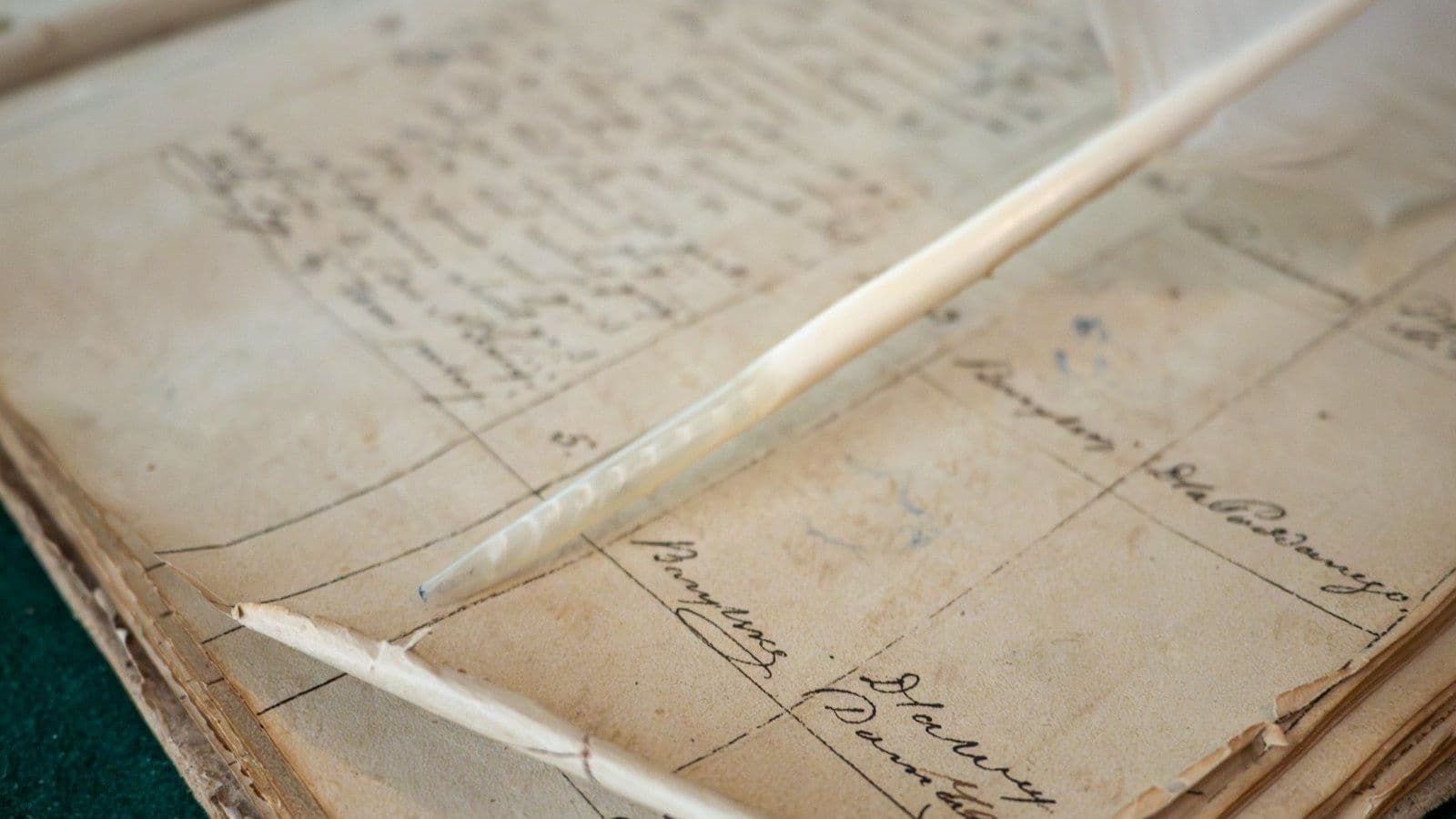
The second did the same job in another house that autumn, two days, four pounds twelve. Then he sat down with his day book and wrote nine lines. Eleven china pulls, fitted. Twenty-three cranks, nine of them new. Ninety feet of wire. Two days for two men. Four floorboards lifted and relaid. Plaster made good in three places. The board over the kitchen passage, the rooms lettered by hand. Then two lines more. The crank in the stair corner, worn through and replaced, one and sixpence, no charge. A call after the first hard frost to take up the slack in new wire, no charge. At the foot, four pounds twelve shillings, not a penny over his figure.
He was paid in six days without a question, and the account went into a drawer rather than behind a clock. In the spring the householder's sister, who kept a lodging house in the next street, had the same work at five pounds five without flinching at the figure, having been shown that bill across a kitchen table.
One trade, one price, one quality of work. The difference was an hour with a day book, after the tools were in the bag.
The Lesson, Since You've Earned It
A customer settles up at the moment he has forgotten most of what you did, so your bill is the last chance you will ever have to tell him. He is not ungrateful. He never saw four fifths of it, and the fifth he did see is a china handle any fool might screw to a doorframe.
Memory goes first and fastest exactly where your skill was greatest, the best of your work being the part that disappeared into the wall. A week on, two days are reduced to the things he can point at, and your figure is weighed against those alone. A bare total asks him to weigh it out of a memory he has not got, and an empty hand returns the only verdict open to it, which is that you were dear.
Now the objection, which is fair. I have argued in these pages that a price divided into parts will be judged part by part, and so it will, before the work. A man with an estimate and a pencil strikes out whatever he recognises and asks you to do the rest at the rate you quoted for the whole. The same list sent afterwards has no such power, and that is the heart of it. The job is done, the boards are down, the plaster is dry. Nothing on the paper can be declined, so the detail has one direction left to work in, which is yours. Division before the work invites subtraction. Division after it supplies the reason your figure was what it was, at the one hour when the customer is attending to the question.
Note what the two lines charged at nothing do. A kindness the customer never learns of is not a kindness but a loss. The worn crank was replaced because no decent tradesman leaves one in a wall he has opened, and the first man would have replaced it too, in silence. One of the two was paid in esteem for it and one was not, and the esteem was free. Set the small sum against the line and then the words no charge, so the favour has a size. A favour with no size is heard as nothing.
Bills also travel where your advertising cannot. An estimate is read by one suspicious person. A paid bill is shown to a husband, a landlord, a committee, a neighbour asking who did your passage work, and each of them reads it at peace about the price, the work being done and settled. Which is why it should go out while the job is fresh, and why a slow bill spoils the memory it was meant to settle.
Two cautions. A bill is not a defence and must not read as one. Nine flat lines of what was done is a tradesman keeping a record; the same nine with an explanation attached to each is a man who expects to be doubted, and a customer who was not doubting you will take the hint. And never let a line be a thing you did not do, or a kindness always inside the price dressed up as a gift. One invented line found out, and every true line is disbelieved with it.
Three questions, for the week in front of you:
- What did my last customer never see? Count the work that ended behind plaster, under a floor, inside an hour of thinking, or in a journey for the right fitting. Those are the lines your next bill is missing.
- What have I thrown in and said nothing about? There are two or three on any job. Put them down with their value and the words no charge, and you are paid for them in the next enquiry rather than not at all.
- Who else will read this? Write it so a stranger with the money in his hand, never once in the house, can tell what was bought. He exists more often than you think, and frequently signs.
The Answer to the Riddle
Which of the two had been paid for the whole of his work?
The second, though both received four pounds twelve. The first was paid, late and grudgingly, for eleven china handles and a board of bells, because that is all his customer ever knew he had bought. The second was paid for ninety feet of wire, twenty-three cranks and four floorboards. The money was identical. What differed was what the money was understood to be for, and that understanding is what you sell next, at five pounds five, in the next street.
The verse:
The wire lies buried in the wall,
the bells hang bright and few.
The bill is all the house will keep,
so write on it what you did do.
Until next time. Go and write out, on the next account you send, the three things the customer never saw you do.
The Best Time for Trying was Yesterday...
Ben B. Tilley
P.S. There is a quieter profit in the habit. Write out what you did at the end of every job and inside a month you will be setting down the same unpaid line over and over, until you can no longer pretend it is a small thing. The bill is where your own costs confess themselves to you, a service no accountant performs for nothing.
Also in the archive: What It Would Not Cover, The Millwright's Two Pounds and The Prices Nobody Argued With.