
Dear friend,
The riddle first, as the tradition demands. Back in the old town there were two builders of glasshouses, both honest men with the same putty and the same price, and the difference between their years was a question about somebody else's calendar.
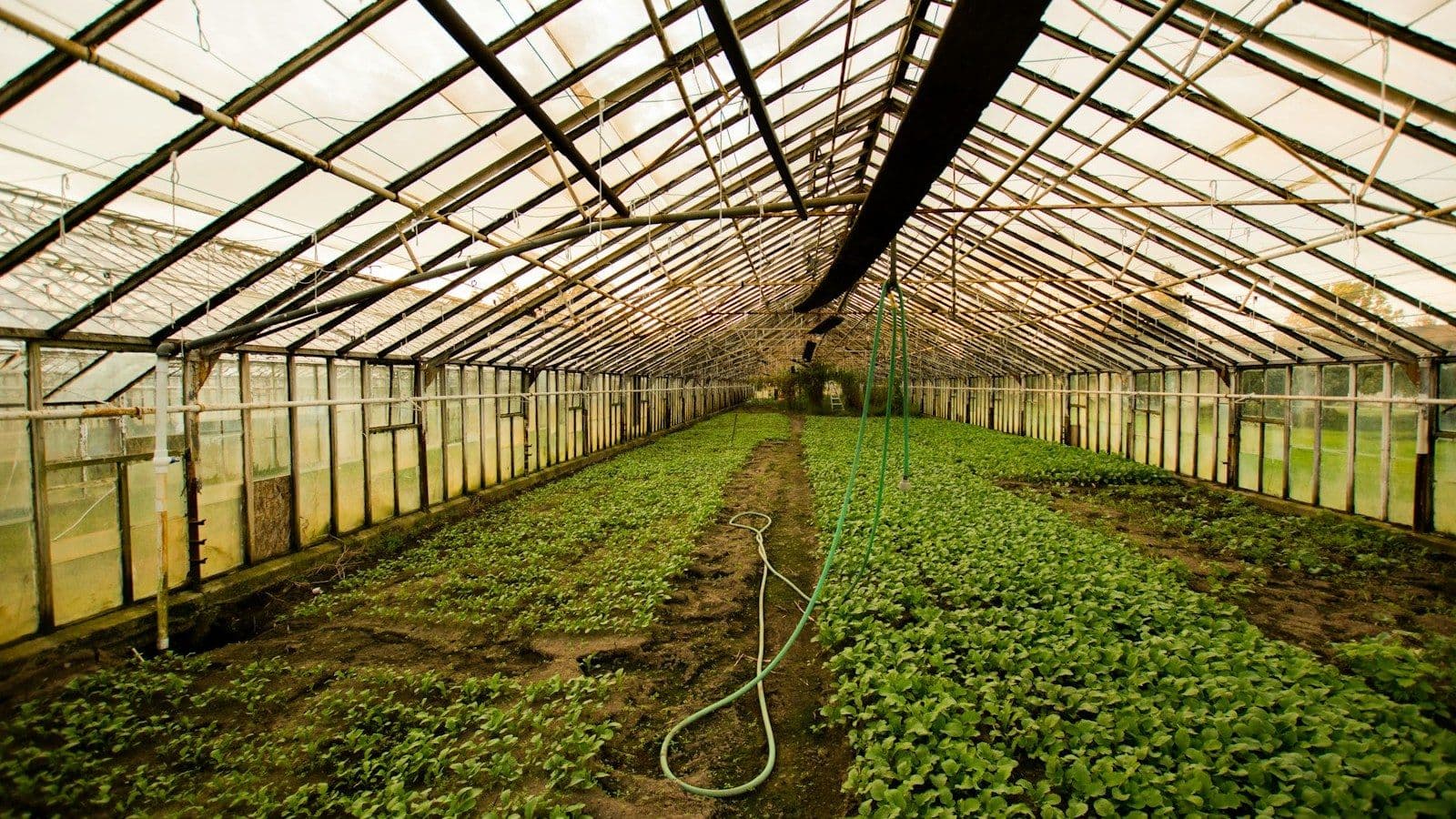
Two glasshouse builders in one county, the same red deal sash bars, the same lead and glass.
Both were asked to price a vinery for a gentleman who wanted grapes and was in no hurry.
Both sent a fair estimate inside the week, and both were thanked warmly for it.
One asked what the house was for, and when a young vine would go into the ground.
One asked nothing, and said he would start whenever the gentleman felt ready.
A year on, one had built it and the other was still waiting to hear. Why?
Hold your answer. Story time.
The Story
Two glasshouse builders, in a town I have never named. Both could set a dwarf wall true, frame a span roof in red deal, bed the glass so that it shed water for thirty winters, and run hot-water pipes with a boiler any gardener could manage. Both smelled of putty and white lead by ten in the morning. Neither was the better man.
The same gentleman, with a walled garden and a south wall going to waste, asked each for a figure for a vinery, and had the same figure back within a few shillings. What he wanted was not an improvement to the property, whatever he said at the time. He wanted to stand in his garden in a warm September and cut grapes off a vine he owned.
The first builder walked the garden with him, learned that much, and then asked a question that sounded like idle shop talk. When would the vine go in? The gentleman had not thought about it. Vines, said the builder, go into the border while they sleep, which in that county means the first week of November. The house wants glazing and drying a fortnight before that, the border digging while the ground is workable, which is September, and the glass ordering six weeks before it comes. His own book was taking work seven weeks ahead. He did the subtraction on the back of the estimate with a carpenter's pencil, five dates in a column, and handed it over. The last line said the end of July. Then he said the sentence that mattered, which was that the date was not his and was no pressure of his making. It was the vine's. December would be a perfectly good decision, and would move the first grapes from the third summer to the fourth. The gentleman put his name to the estimate in the third week of that July.
The second builder sent his estimate with a courteous note saying there was no rush, that he could fit a house in at a few weeks' notice, and that he looked forward to hearing whenever suited. Every word was true, and kind, and the sort of thing a man is proud of not being pushy about. The gentleman read it, agreed with it, and put it in the drawer. In August there was a horse to be bought. In September the stable roof wanted looking at. By February the vinery was a next-year matter, and the next year the money went on the stable. The second builder never heard another word, and put him down as a man who had not been serious.
The Lesson, Since You've Earned It
Nearly every decision you are waiting on already has a date in it, and the date belongs to the customer rather than to you. Your work is not to invent urgency. It is to do the subtraction out loud, because you are the only person in the conversation who can.
Consider why a found date carries further than a made one. A deadline you announce is your property, and the customer knows it. The offer closes on Friday because you say so, and a man who suspects he is being hurried will slow down out of self respect alone. I have argued before that a deadline does a great deal of the selling, and I hold to it, but a made deadline is borrowed force, and used twice in a season the second is heard as a trick. Nobody has ever been annoyed with November. A date out of the customer's own life is not an argument at all. It is arithmetic.
Most trades have such a date behind the job, and most customers hold both halves of it without putting them together. The show is in July, the lease ends at Michaelmas, the tenants come in at the quarter day, the old machine will fail this winter and everybody knows it. What the customer does not know is your chain: the ordering, the lead time at the works, your book, the drying, the week the thing takes to settle before it can be used. He believes he is choosing whether. He has no idea the choosing stops three months before the thing he wants.
That is the whole of it. Add up your chain, subtract it from his date, tell him the answer, and leave it on paper, since the man in front of you is often not the only one deciding. It turns do you want this, which invites a man to consult his feelings, into when must this be begun, which a reasonable person can answer at once. It also makes a no useful. A customer who says not before next autumn has not refused you. He has given you a date, and an enquiry with a date on it is a different animal from the one that fades into nothing.
Two cautions. First, the date must be true to the week. If you can glaze a house in a fortnight in January, do not say November or never. A found date you have quietly bent is a manufactured one in disguise, and a customer who discovers the bend is right to disbelieve every figure you give him after. Second, some purchases honestly have no date in them, and hunting for one produces a cheerfulness anybody can smell. Where there is none, say instead what the drift costs: a year of grapes, another winter of a cold shop.
Three questions, and the first wants doing on your next enquiry:
- What is this work for, and when does that thing happen? Ask before you put a price on paper. The answer is nearly always a date: a season, a tenancy, a show, an inspection, the month the old one gives up.
- How long is your chain before that date? Take your commonest job and write every stage with its weeks against it. Ordering, lead time, your book, the work, the settling. That total is a number you ought to know by heart and almost certainly do not.
- Which quote sitting out now has a date in it you have never said aloud? Go through the ones you are waiting on. Write each a short note giving his date, the count backwards, and the last sensible day to say yes.
The Answer to the Riddle
A year on, one had built it and the other was still waiting to hear. Why?
Because one of them turned a vague intention into a dated one, using a date he did not own and could not be accused of inventing. The gentleman was never going to decide against the second builder. He was going to decide against nothing in particular, slowly, in the direction of the stable roof, as men do when a choice has no edges on it. The first builder did not persuade him. He showed him in five lines of pencil that the question was not whether he wanted grapes but whether he wanted them a year sooner. The first is a matter of feeling. The second is a matter of July.
The verse:
He may see through your Friday, and be right to see it through,
But no man ever argued with November.
Count back along the weeks and set the dates in ink,
The day was always his, you only did the sum.
Until next time. Go and take the quotes you are waiting on, find the real date behind one of them, and send that customer the count backwards today.
The Best Time for Trying was Yesterday...
Ben B. Tilley
P.S. When the date goes by and the work does not happen, you have been handed next year's. Put a line in your own book ten weeks before the same point next year, with his name and his date against it, and write then. Not to ask whether he has thought any more about it, which nobody enjoys answering, but to say the ordering week is coming round again. One letter timed by his calendar beats a year of polite remembering.
Also in the archive: Away in April, Unless I Hear Otherwise and Booked Until March.